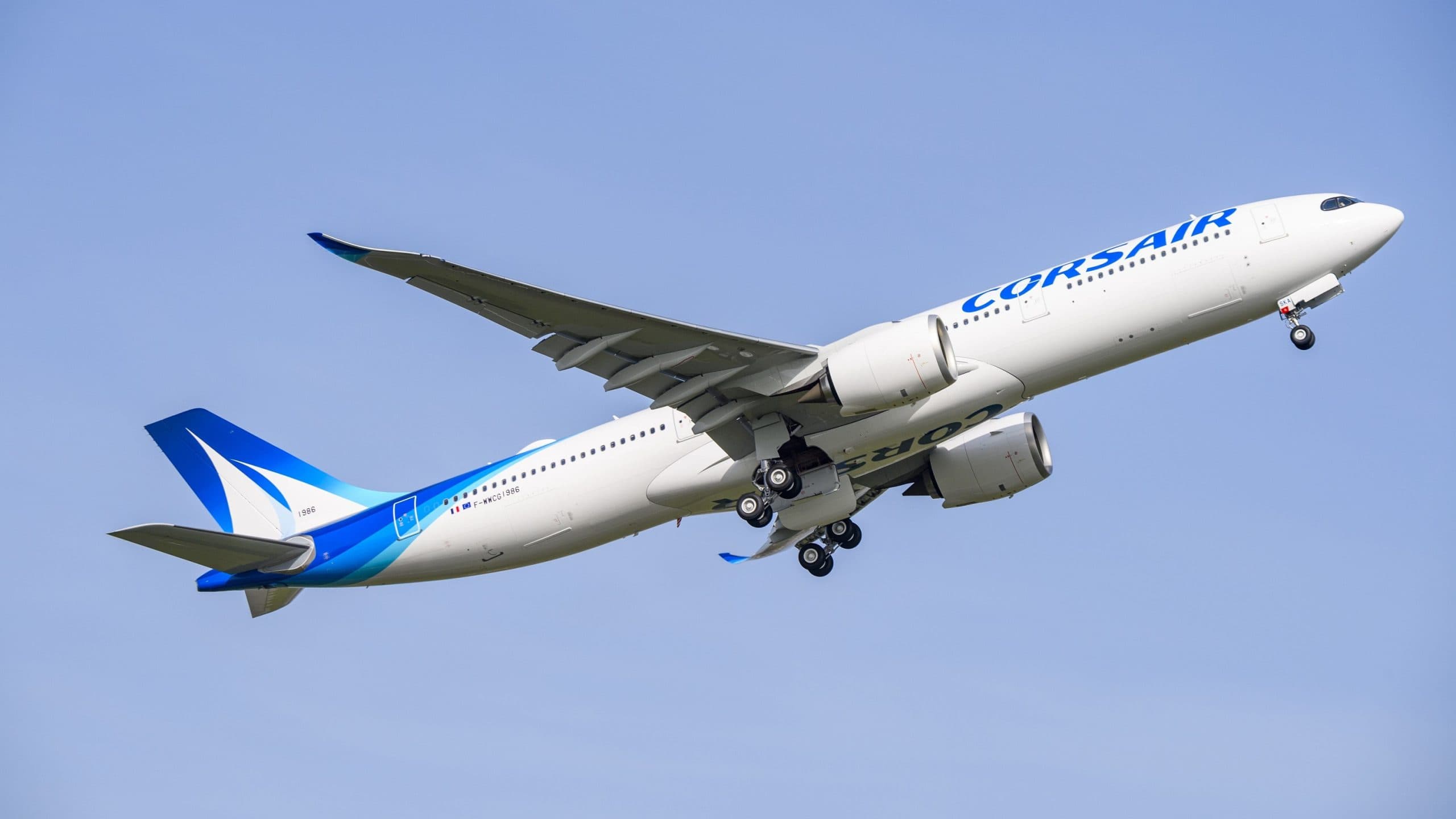
The aviation industry is facing a severe economic shock as kerosene prices skyrocket, with Corsair's CEO Pascal de Izaguirre highlighting that fuel now represents 40-45% of total airline costs, a dramatic increase from the historical average of 25%. This surge, driven by geopolitical conflicts in the Middle East, has doubled or tripled fuel prices compared to pre-conflict levels, squeezing margins in a sector still recovering from the COVID-19 pandemic. For ATPL and ATC students, this underscores the critical role of fuel management in airline operations, where cost control directly impacts pricing strategies and route viability.
From an industry perspective, this fuel cost escalation is not just a temporary spike but a structural shift that compels airlines to adapt. De Izaguirre emphasizes that while logistical concerns like fuel shortages are secondary, the economic impact is immediate, with ticket price hikes deemed 'inevitable' if geopolitical tensions persist. Airlines typically have about six weeks of visibility into fuel supply, supported by strategic state reserves covering three months of consumption, providing a buffer but not a long-term solution. This situation forces carriers to reassess their business models, focusing on efficiency and network optimization to mitigate rising expenses.
For MyATPS users, this news is highly relevant as it illustrates how external factors like fuel prices influence operational decisions. ATPL students must understand fuel economics, including hedging strategies and route planning to minimize consumption, as these skills are essential for cost-effective flight operations. ATC students should recognize how fuel costs affect airline scheduling and airspace usage, potentially leading to changes in flight paths or frequencies. The industry's shift towards more fuel-efficient aircraft and alternative fuels may accelerate, impacting future certification and training requirements.
Corsair's response highlights strategic advantages in network configuration, with routes to destinations like the Caribbean, Réunion, and West Africa avoiding conflict zones, thus reducing detours and extra fuel burn. This case study shows how airlines can leverage geographic positioning to maintain competitiveness amid cost pressures. For aviation professionals, adapting to a high-fuel-cost environment requires continuous learning about economic trends and regulatory developments, such as environmental taxes or fuel surcharges, which could further shape the industry landscape.
In conclusion, the fuel cost crisis is reshaping airline economics, with long-term implications for pricing, investment, and sustainability. ATPL and ATC students should monitor these trends closely, as they will encounter fuel-related challenges throughout their careers, from flight planning to air traffic management. Understanding the interplay between geopolitics, economics, and aviation operations is crucial for navigating an increasingly volatile industry.