**Fraport's 2026 Half-Year Results: A Mixed Picture for Aviation Students**
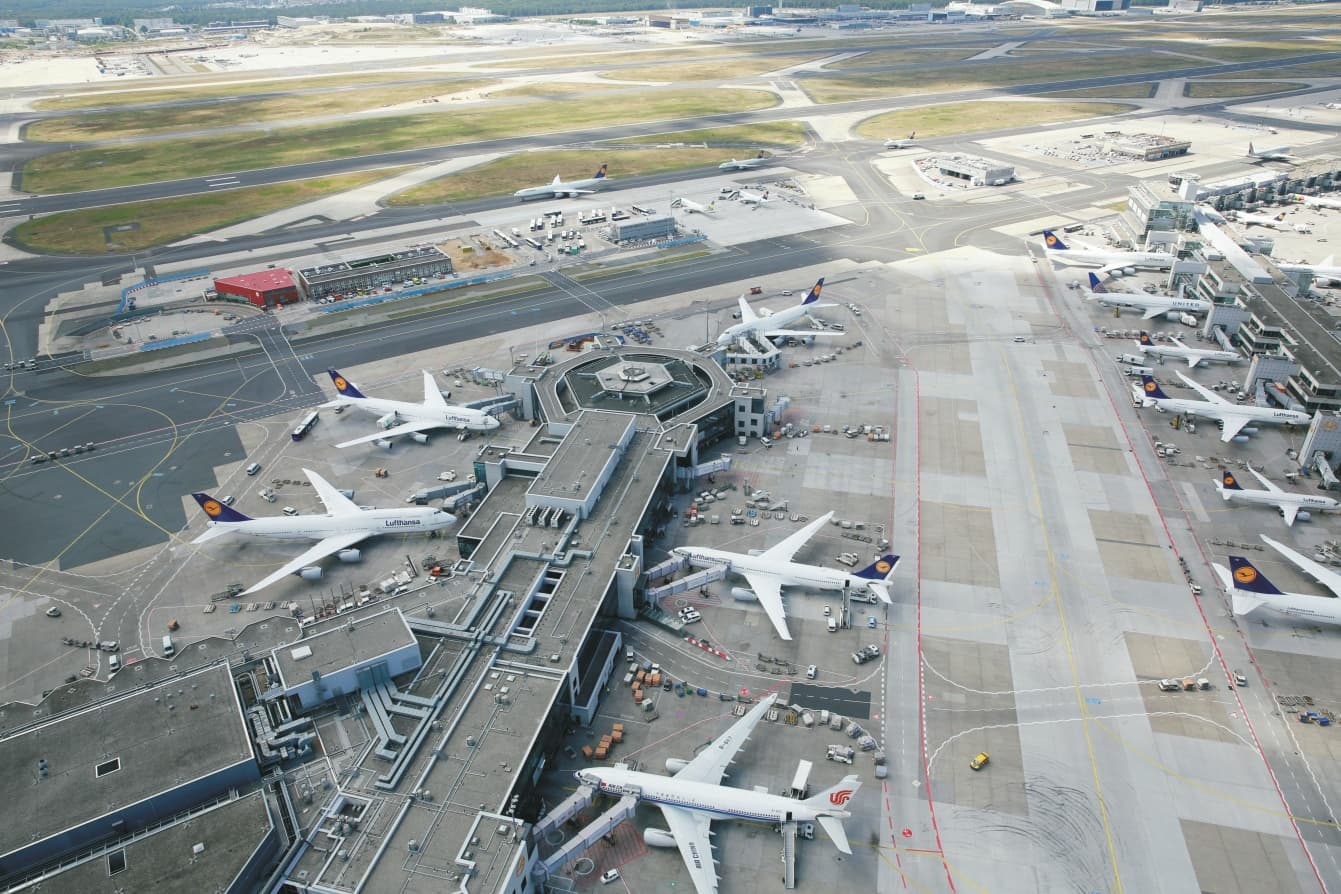
Fraport, the German airport operator, reported 77.7 million passengers across its network in the first half of 2026, a modest 1.0% increase year-on-year. However, this headline growth masks a significant decline at its Frankfurt hub, where traffic fell 0.8% to 28.9 million passengers. For ATPL and ATC students, this case study illustrates how external shocks—geopolitical tensions, labor strikes, and airline capacity cuts—directly impact airport operations and route planning.
**Geopolitical and Labor Disruptions: A Real-World Lesson**
The decline at Frankfurt is attributed to multiple factors. The war in Iran led to a 35% drop in Middle Eastern traffic, with only 880,000 passengers in H1 2026. Additionally, Lufthansa strikes affected nearly 700,000 passengers. Fraport's CEO also cited fuel price spikes and kerosene shortage fears as dampening demand. For students, this demonstrates how ATC and airline planners must adapt to sudden airspace closures, rerouting, and fluctuating demand—skills tested in ATPL exams on flight planning and operational decision-making.
**Cargo Growth Despite Fewer Movements: Efficiency in Focus**
Interestingly, Frankfurt's cargo volumes rose 2.0% in June 2026 to 177,676 tonnes, even as aircraft movements fell 4.9%. This indicates improved load factors and prioritization of cargo capacity. For ATC students, this highlights the importance of slot coordination and runway optimization for mixed traffic. ATPL candidates can relate this to weight and balance principles, where maximizing payload efficiency becomes critical during capacity constraints.
**International Diversification: A Strategic Hedge**
While Frankfurt stagnates, Fraport's international airports are thriving. Greek airports saw 4.7% growth, Bulgarian hubs 8.0%, and Ljubljana 12.7%. However, Antalya, Turkey, dropped 9.6% due to high prices and geopolitical jitters. This geographic spread is a key lesson in network resilience—a concept relevant to ATPL students studying airline network planning and to ATC students understanding how traffic flows shift across regions.
**What This Means for ATPL and ATC Students**
This article underscores the interconnectedness of geopolitics, airline economics, and airport management. For ATPL students, it reinforces the need to consider external factors in flight planning and fuel management. For ATC trainees, it shows how sudden traffic shifts require flexible airspace management and coordination with airlines. Fraport's ability to maintain its 2026 financial guidance despite Frankfurt's troubles demonstrates the value of diversification—a principle applicable to both aviation business models and career planning.