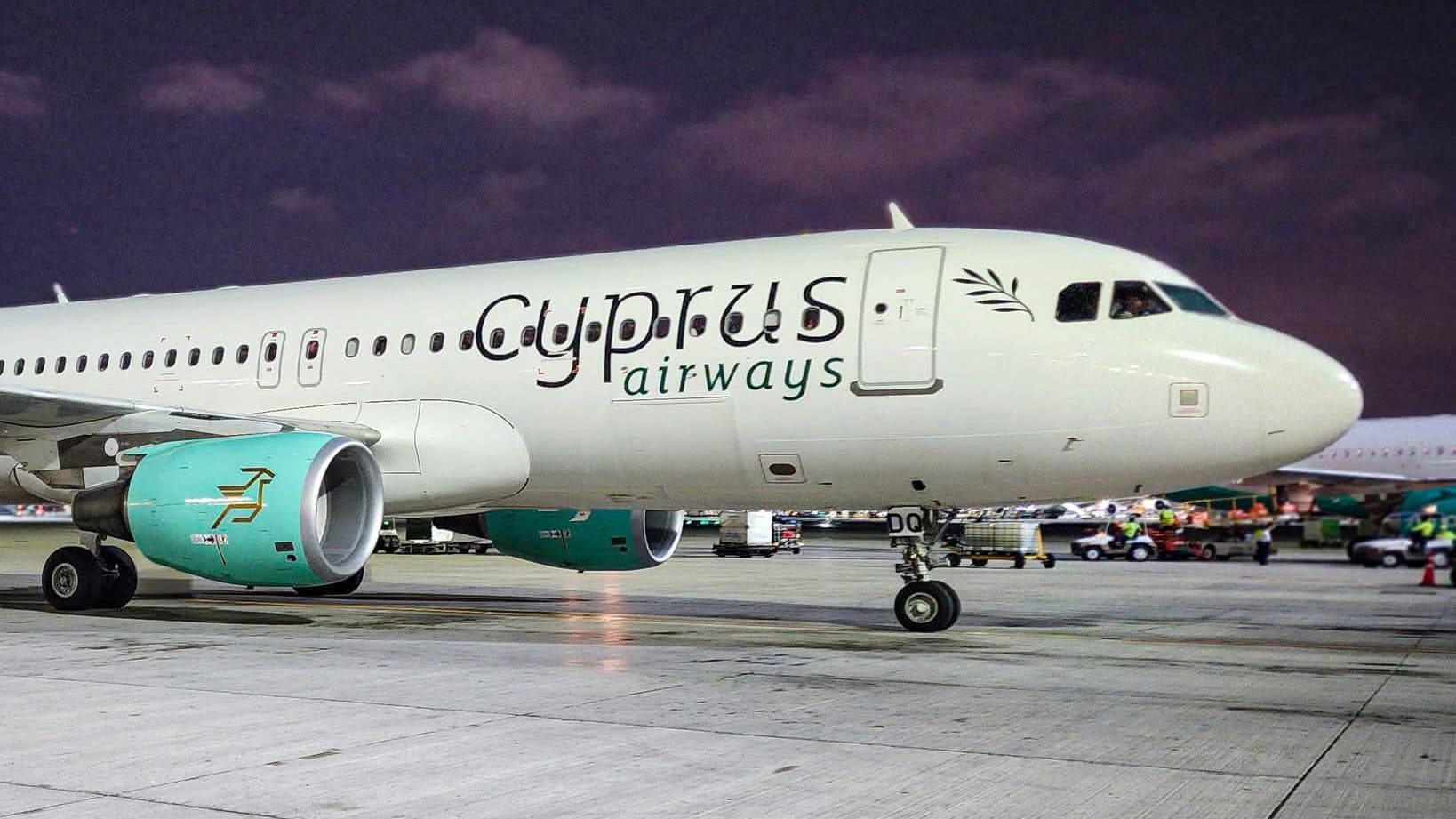
On May 22, 2026, flydubai and Cyprus Airways announced an interline agreement designed to improve connectivity between Europe and a wide range of destinations in Asia, Africa, and the Middle East, using Dubai International Airport (DXB) as the central hub. This partnership allows passengers to travel on a single ticket with coordinated baggage handling and simplified connections through one of the world’s busiest airports.
For ATPL and ATC students, this agreement is a perfect real-world illustration of the hub-and-spoke model taught in airline operations and air traffic management courses. The interline arrangement means that a passenger from Larnaca can fly to destinations such as Almaty, Colombo, Kathmandu, Malé, or Riyadh with just one stop in Dubai. This requires seamless coordination between two airlines, including baggage transfer, passenger flow management, and slot coordination at DXB — all topics covered in ATPL syllabus modules on airline operations and airport planning.
From an ATC perspective, the increased traffic flow through Dubai’s airspace and airport will demand efficient sequencing and slot management. The agreement adds new city pairs that were previously unserved or underserved, which may affect traffic patterns and require adjustments in airspace management. ATC students should note how interline agreements can influence demand on specific routes and how air traffic controllers must adapt to changing traffic flows.
For ATPL students, this partnership highlights the strategic importance of interline and codeshare agreements in modern airline business models. Flydubai, operating a fleet of 97 Boeing 737s (including 737 MAX), has launched over 100 new routes to Dubai since its founding in 2009. Cyprus Airways, with its smaller Airbus A220 fleet, gains access to a vast network without having to open new routes itself. This is a classic example of how airlines expand their reach through commercial partnerships rather than organic growth — a key concept in airline management exams.
The agreement also underscores the role of Dubai as a global hub, a topic frequently discussed in ATPL meteorology and navigation classes when studying long-haul flight planning and fuel optimization. The ability to connect Europe to Asia via Dubai offers alternative routing options that can affect flight times, fuel burn, and crew duty periods — all critical factors in flight planning and dispatch.
In summary, this interline deal is not just a business announcement; it is a practical case study for anyone training to become a pilot or air traffic controller. It demonstrates how real-world airline partnerships shape the operational environment that ATPL and ATC students will work in.