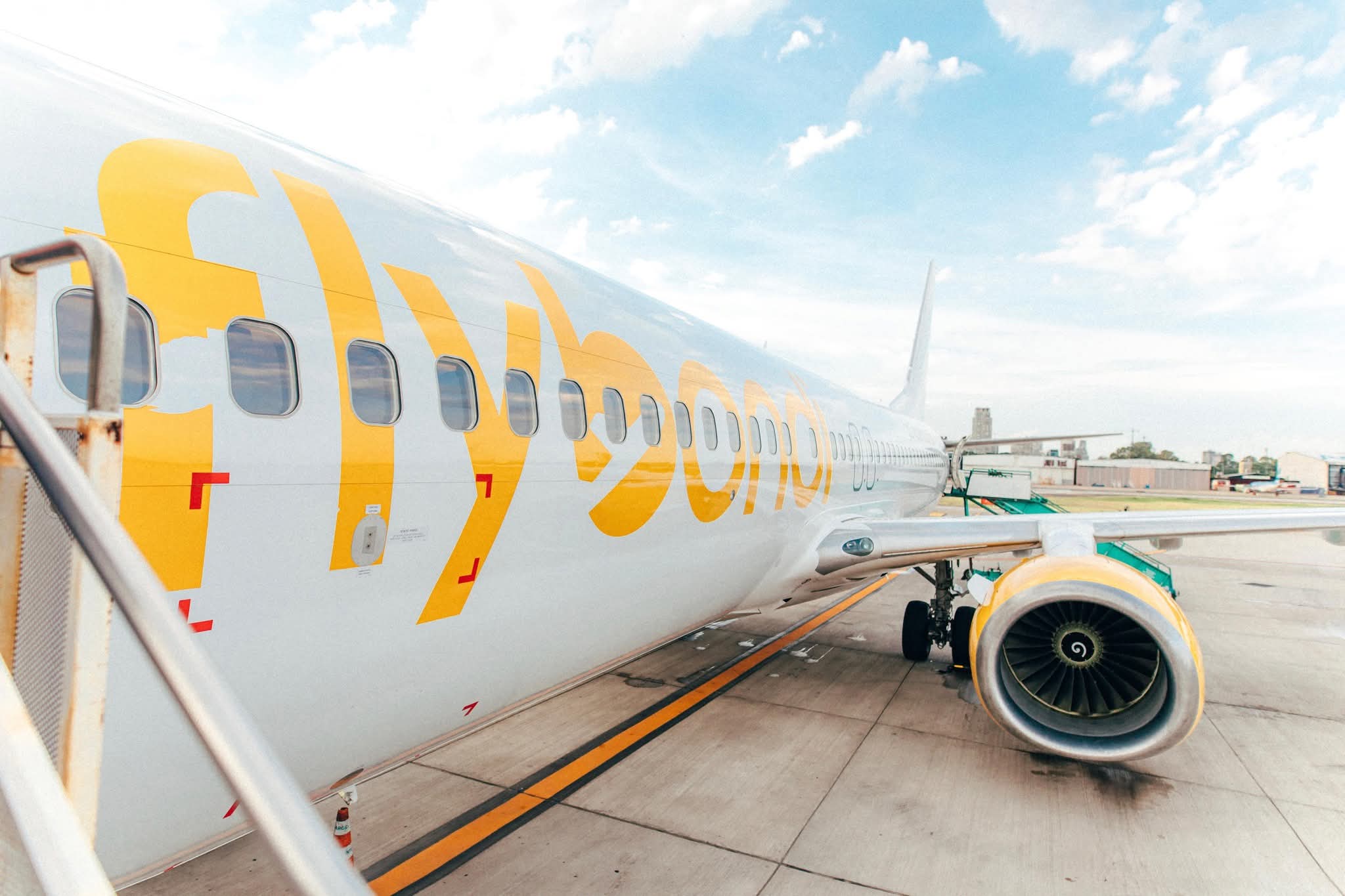
**Flybondi Grounded: Fuel Crisis Grounds Argentina’s Ultra-Low-Cost Carrier**
Since early July 2025, Flybondi, Argentina’s pioneering ultra-low-cost airline, has been effectively grounded. The carrier, which once operated up to 15 Boeing 737-800s, now has only four aircraft flying—and none on scheduled commercial services. The root cause? A fuel supply blockade imposed by state-owned oil company YPF, following Flybondi’s failure to meet payment terms. YPF now demands cash-in-advance for kerosene, a condition the airline can no longer fulfill.
**Operational Collapse**
Public flight tracking data reveals the scale of the collapse. Aircraft registrations LV-KDF and LV-KEF last flew commercial routes in early July. LV-KJD and LV-KJE performed only local rotations on July 8 before returning to inactivity. By June, Flybondi was already operating with just one or two aircraft—roughly 85% of its fleet parked. Maintenance arrears and unpaid aircraft leases had already sidelined many jets, including several 737s sent abroad for heavy checks that could not be repatriated due to non-payment.
**Passengers Left in Limbo**
Despite the near-total paralysis, Flybondi’s website continues to sell tickets for future flights, including international routes to Rio de Janeiro and Asunción. No official suspension has been announced, leaving thousands of passengers uncertain whether their bookings will be honored. This practice raises serious consumer protection concerns, especially in a market where alternative carriers are scarce.
**Industry Implications**
Flybondi’s crisis is a stark reminder of the risks inherent in ultra-low-cost models, particularly in emerging economies with volatile currencies and state-controlled fuel supplies. For ATPL and ATC students, this case illustrates how operational resilience depends not only on fleet management but also on financial liquidity and supplier relationships. The airline had recently announced ambitious expansion plans—including firm orders for 15 Airbus A220-300s and 10 Boeing 737 MAX 10s, worth $1.7 billion—but those now look uncertain.
**What This Means for Aviation Training**
Understanding such real-world disruptions is crucial for future pilots and controllers. ATPL candidates should grasp how cash flow problems cascade into airworthiness issues, flight cancellations, and regulatory scrutiny. ATC students can learn how sudden capacity drops affect slot coordination and passenger re-accommodation. Flybondi’s grounding is not just a business story—it is a case study in operational risk management.