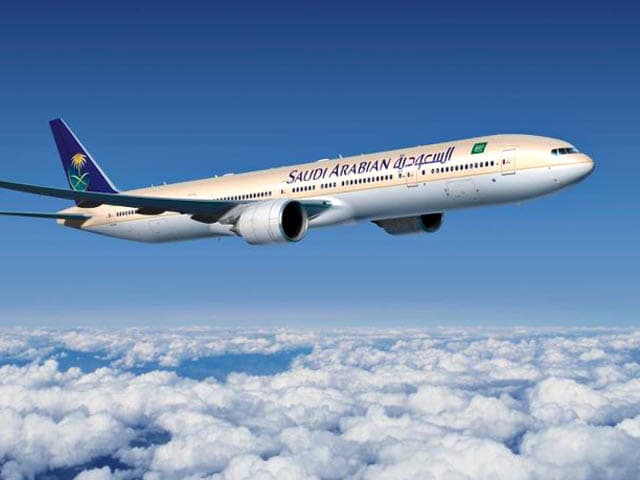
The recent transfer of five Boeing 777-200ER aircraft from Saudia to Iran's Mahan Air has exposed significant weaknesses in Western aviation export controls. The aircraft, originally operated by Saudi Arabia's national carrier, were reportedly sold in 2023 to an undisclosed foreign entity before eventually arriving in Iran, where they are now being prepared for service with Mahan Air—a carrier under U.S. sanctions since 2011 for alleged ties to Iran's Islamic Revolutionary Guard Corps (IRGC).
For ATPL and ATC students, this case is a stark reminder that aviation is never just about flying. The movement of these aircraft involved a complex chain of intermediaries, temporary registrations, and storage sites in Oman and the UAE, designed to obscure the final destination. Such schemes exploit gaps in the secondary aircraft market, where ownership changes hands multiple times, making it difficult for banks, insurers, and regulators to enforce compliance. Understanding these mechanisms is crucial for future aviation professionals who may encounter sanctions-related issues in fleet planning, leasing, or international operations.
Saudia has publicly denied any wrongdoing, stating that the aircraft were sold in full compliance with applicable laws and that it has had no operational or commercial relationship with them since the sale closed on June 7, 2023. However, the lack of transparency about the buyer and the subsequent appearance of the aircraft in Iran raises questions about due diligence in aircraft transactions. For students studying aviation law or regulations, this case illustrates the tension between legitimate commercial sales and the risk of diversion to sanctioned entities.
Mahan Air's role is central to the story. The airline has been accused by the U.S. Treasury of providing logistical support to the IRGC's Quds Force, and reports from organizations like the Alma Research Center allege that Mahan Air operates a dedicated unit for transferring weapons to proxies in Syria, Lebanon, and Yemen. The addition of five long-haul Boeing 777s gives Mahan Air a significant boost in range, capacity, and cargo flexibility, potentially strengthening its ability to serve routes to Asia, Russia, and regional markets under sanctions.
For ATC trainees, this case also highlights the operational challenges of monitoring airspace and flight plans when aircraft may be operating under false pretenses. Reports suggest that aircraft can file a legal flight plan and then declare a false emergency to divert to an Iranian airport—a tactic that complicates air traffic control and security screening. This real-world scenario underscores the importance of vigilance and cross-border cooperation in aviation security, topics that are increasingly relevant in ATPL and ATC training curricula.