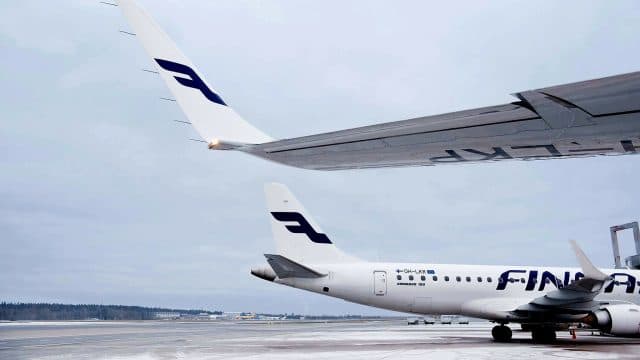
Dans un développement juridique notable, la Cour de marché de Finlande a confirmé la politique de Finnair de rejeter les réclamations d'indemnisation des passagers déposées plus de deux mois après un vol perturbé, écartant les objections de l'Autorité finlandaise de la concurrence et de la consommation (KKV) et de la médiatrice des consommateurs. Ce jugement, daté du 17 avril 2026, valide l'approche de Finnair et évite à la compagnie une amende potentielle de 300 000 euros, renforçant sa capacité à gérer les réclamations au titre du règlement européen EC 261/2004. La cour a estimé que le droit finlandais de la consommation ne précise pas de délai exact pour soumettre des demandes d'indemnisation, accordant aux compagnies aériennes une marge de manœuvre pour établir des « modalités procédurales » tant qu'elles ne vident pas de leur substance les droits conférés par le droit de l'UE. Cela signifie qu'en Finlande, les compagnies aériennes peuvent légalement imposer des limites de temps pour le dépôt des réclamations, à condition que ces limites soient raisonnables et clairement communiquées aux passagers, sans violer les principes généraux de protection des consommateurs.
L'affaire est née des préoccupations soulevées par la KKV et la médiatrice des consommateurs, qui soutenaient que Finnair rejetait injustement les réclamations des passagers comme « tardives » sans base légale solide. Elles affirmaient que le règlement européen EC 261/2004 ne fixe pas de délai de réclamation et que la législation finlandaise ne contient pas de dispositions spécifiant une date limite pour conserver les droits à indemnisation. Cependant, la cour n'a pas suivi cette interprétation, statuant que l'absence de délai statutaire n'empêche pas les compagnies aériennes d'en fixer un, tant qu'il est raisonnable et divulgué de manière transparente. Cette décision représente un revers pour les défenseurs des consommateurs, car elle officialise une interprétation favorable aux compagnies aériennes, susceptible d'influencer d'autres transporteurs opérant en Finlande à adopter des politiques similaires.
Au cœur de ce litige se trouve le règlement européen EC 261/2004, qui établit les droits minimaux des passagers en cas d'annulation, de retard ou de surréservation, incluant des indemnités forfaitaires allant jusqu'à 600 euros pour les vols long-courriers retardés de plus de trois heures. Bien que le règlement fixe les critères d'éligibilité et les montants d'indemnisation, il laisse aux États membres le soin de déterminer les délais de prescription et de réclamation. En Finlande, contrairement à certains autres pays de l'UE où des délais clairs sont établis par la loi ou la jurisprudence, cet écart réglementaire a permis à Finnair d'argumenter qu'une période de deux mois est « raisonnable » pour le dépôt des réclamations. L'approbation de cette vision par la cour souligne la variabilité dans la mise en œuvre nationale des règlements européens, affectant le recours des passagers et les responsabilités des compagnies aériennes.
Pour les étudiants ATPL et ATC, ce jugement est une leçon cruciale sur l'intersection du droit aérien et des pratiques opérationnelles. Il illustre comment les compagnies aériennes naviguent dans les ambiguïtés réglementaires pour gérer les risques financiers et les charges administratives, influençant tout, des protocoles de service client aux stratégies de conformité légale. Comprendre de telles nuances juridiques est essentiel pour les futurs pilotes et contrôleurs, car cela impacte la prise de décision lors des perturbations, la communication avec les passagers et le respect des normes évolutives de l'industrie. Cette affaire met également en lumière l'importance de se tenir informé des interprétations nationales des règlements européens, qui peuvent varier considérablement à travers l'Europe, affectant les opérations de vol et les interactions avec les passagers dans des scénarios en temps réel.