**Industry Context: A Clash of Titans at Farnborough**
The Farnborough International Airshow, traditionally a showcase of aviation's latest achievements, turned into a platform for frustration as Tim Clark, President of Emirates, launched a blistering attack on Boeing and engine manufacturers. His comments highlight a growing rift between airlines and suppliers, driven by certification delays, supply chain woes, and rising operational costs. For ATPL and ATC students, this is not just corporate drama—it reflects real-world challenges that affect fleet planning, route networks, and the regulatory environment you will operate in.
**The 777-9 Delay: A Timeline of Missed Deadlines**
Emirates, the launch customer for the Boeing 777-9 with 270 aircraft on order and 540 GE9X engines, now expects first deliveries in Q2 2026—seven years later than the original 2020 target. The FAA's Type Inspection Authorization (TIA) Phase 4A has been completed, but certification may slip to late 2025 or early 2026. Clark warned that the aircraft risks being "overtaken by technology before it enters service," as environmental standards and competitor offerings evolve rapidly. For ATPL students, this underscores the importance of understanding certification processes (e.g., TIA phases) and how delays cascade into fleet management and pilot training schedules. ATC students should note how new aircraft types affect airspace integration and performance-based navigation requirements.
**Engine Maintenance Crisis: 28 Engines Idle**
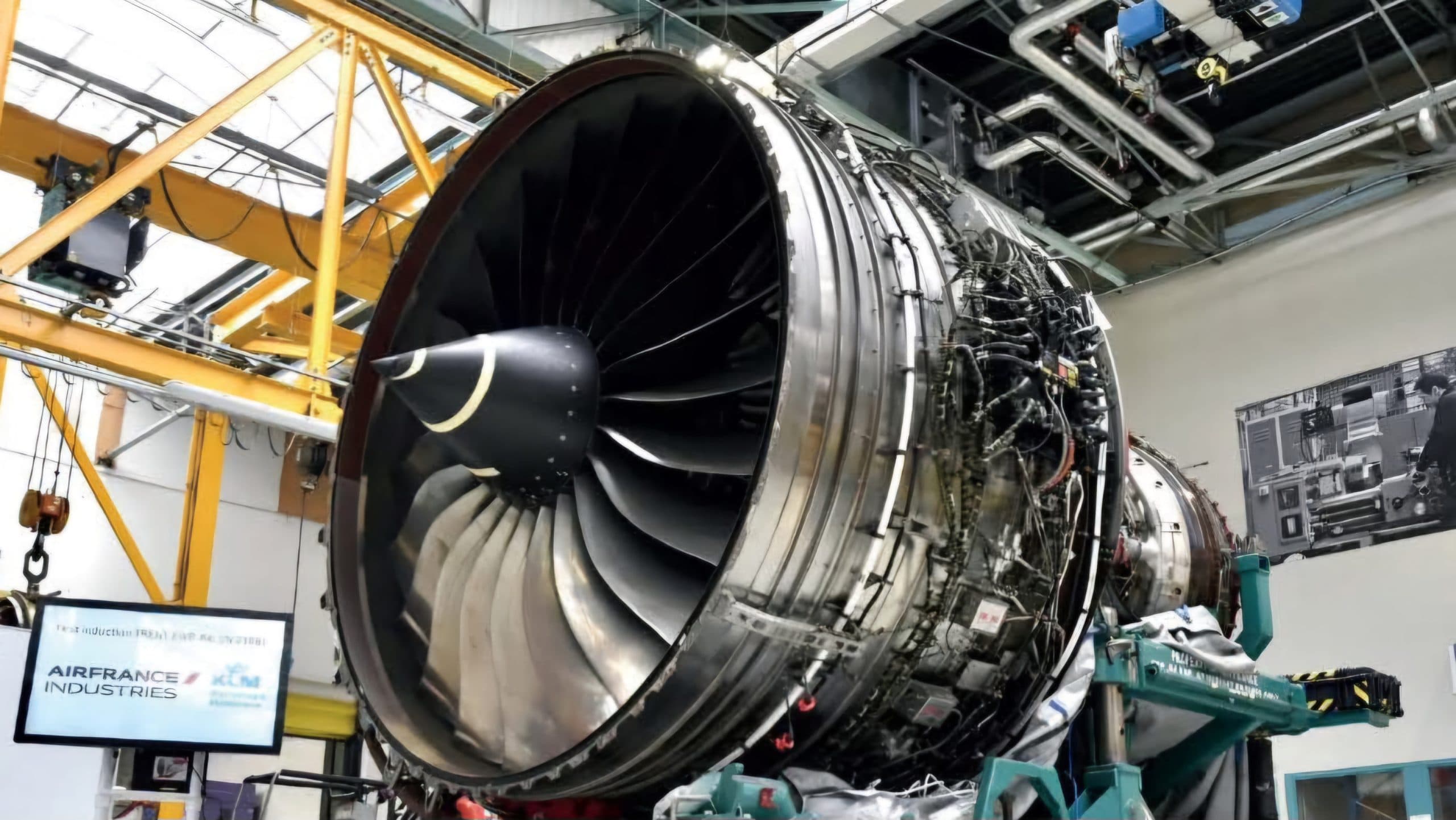
Clark also criticized engine makers for "ferocious price increases" and slow maintenance turnaround, revealing that Emirates has 28 engines waiting in its hangar for overhaul. This mirrors broader industry complaints about limited MRO capacity and supply chain constraints, which IATA estimates cost airlines $11 billion in 2025. For future aviation professionals, this highlights the critical role of engine health monitoring, maintenance planning, and the economic impact of AOG (Aircraft on Ground) situations. ATC students may consider how unscheduled maintenance affects slot coordination and delay propagation.
**The Rolls-Royce Tension: A350-1000 at Stake**
Emirates' ongoing dispute with Rolls-Royce over the Trent XWB-97 engines on the A350-1000 adds another layer. Clark stated he has not seen sufficient durability progress, delaying a potential large order. Rolls-Royce claims to have resolved a quality issue on a combustion chamber component, but the saga illustrates the delicate balance between airline demands and manufacturer capabilities. For ATPL students, this is a case study in how engine performance and reliability influence aircraft selection and operational planning.
**MyATPS Angle: What This Means for Your Training**
This article is a goldmine for understanding the real-world pressures that shape aviation. As an ATPL student, you will encounter fleet planning exercises, certification delays, and maintenance cost analyses in your studies. For ATC trainees, the ripple effects of such delays—route adjustments, slot reallocations, and airspace demand shifts—are directly relevant. Stay tuned to MyATPS for deeper dives into how these industry dynamics affect your future career.