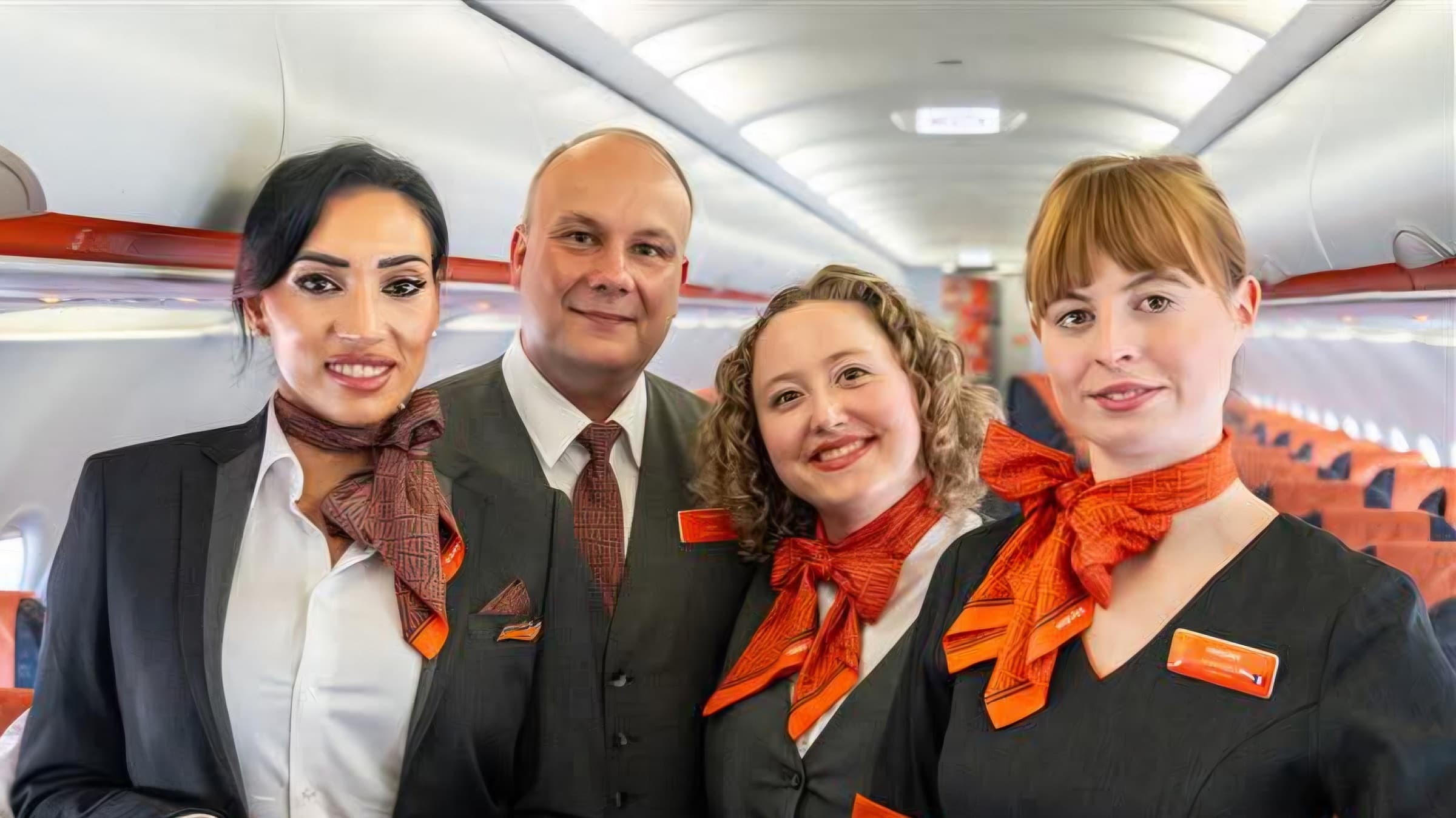
**Why This Matters for Aviation Professionals**
For ATPL and ATC students, understanding airline policies like easyJet's family travel guidelines is not just trivia—it directly impacts daily operations. When families are seated together, boarding is smoother, cabin crew can focus on safety briefings rather than seat shuffling, and ATC benefits from fewer delays caused by last-minute passenger issues. This article breaks down easyJet's approach and what it means for those training to manage flights.
**Seating and Check-In: The Core Challenge**
EasyJet's system aims to seat families together if they check in early. For students, this highlights a critical operational reality: seat allocation is dynamic and tied to check-in timing. In ATPL training, you learn about load control and passenger distribution—this policy is a real-world example of how airlines balance customer satisfaction with operational constraints. The fact that children under 12 are guaranteed a seat next to an adult, even with late check-in, shows the regulatory pressure on carriers to prioritize family cohesion. ATC students should note that such policies can affect boarding times and, indirectly, pushback schedules.
**Baggage and Security: Practical Know-How**
EasyJet allows free carriage of two baby items per child, including strollers and car seats, with some strollers usable up to the gate. This is a classic example of the 'gate-check' procedure that cabin crew and ground staff must manage. For ATPL students, understanding baggage rules is essential for weight and balance calculations, especially when items are gate-checked and loaded last-minute. The security exception for baby liquids (over 100 ml) is another point: ATC and pilots don't handle security, but knowing these rules helps in briefing passengers and coordinating with ground teams during delays.
**Priority Boarding and In-Flight Comfort**
EasyJet offers priority boarding for families with children under five. This reduces stress at the gate and allows crew to assist with seat setup. For ATC students, this is a reminder that boarding procedures are part of the overall turnaround timeline—a smooth boarding means fewer radio calls about delays. The 'Little Traveller's Log Book' and cockpit visits (when possible) are small gestures that improve passenger experience and can help crew manage young travelers' anxiety, a skill relevant to cabin crew and pilots alike.
**Industry Context: The Ryanair Controversy**
The article contrasts easyJet's approach with Ryanair's recent UK investigation over family seating fees. Ryanair now offers free seats for parents willing to sit at the back, while charging for front rows. This debate underscores a key regulatory trend: authorities are increasingly scrutinizing airline fees for families. For ATPL and ATC students, this is a case study in how commercial policies intersect with passenger rights and operational reality. Understanding these dynamics prepares you for real-world scenarios where you must explain or adapt to such rules.
**Conclusion**
EasyJet's family policies are a microcosm of the broader aviation ecosystem—balancing customer service, safety, and efficiency. For those training to become pilots or controllers, knowing these details helps you anticipate passenger behavior, manage resources, and contribute to a positive travel experience. Whether you're calculating takeoff weight with a gate-checked stroller or coordinating boarding with priority families, this knowledge is practical and immediately applicable.