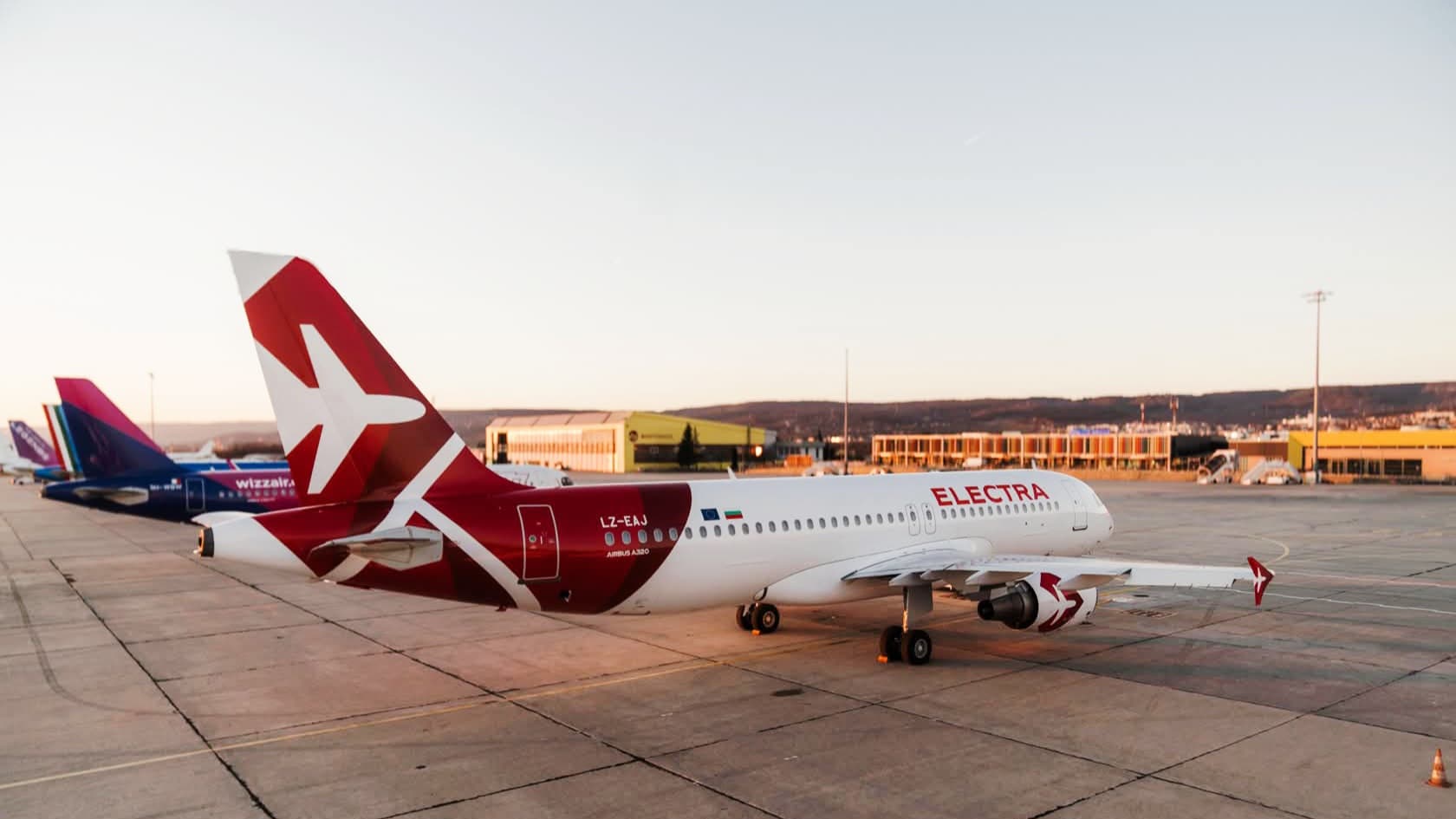
On Tuesday, a routine charter flight from Warsaw to Tel Aviv turned into a high-stakes security event when an Airbus A320 operated by Bulgarian carrier Electra Airways for LOT Polish Airlines inadvertently transmitted squawk 7500—the international code for unlawful interference, commonly interpreted as a hijacking. The aircraft, flying over the Balkans, triggered a rapid chain of military responses including the scrambling of a Bulgarian MiG-29 fighter jet and the dispatch of Israeli Air Force fighters over the Mediterranean. The incident ended without injuries, but it offers a compelling real-world case study for aviation trainees on the consequences of transponder errors and the rigidity of emergency protocols.
The flight, designated LO155, departed Warsaw Chopin Airport around midday and followed a standard route southeast across Bulgarian airspace toward Turkey and the eastern Mediterranean. Shortly after entering Bulgarian airspace near the Danube region, the aircraft's transponder began broadcasting code 7500. In civilian aviation, the secondary surveillance radar (SSR) transponder continuously transmits an identification code and, if needed, emergency signals. Code 7500 specifically signals "unlawful interference"—a hijacking or forced takeover. Operational doctrine mandates that any 7500 signal be treated as a genuine hijacking until proven otherwise, triggering national emergency plans and, in Europe, NATO-coordinated Air Policing measures. This explains the immediate and robust response from Bulgarian and Israeli authorities, even though no actual threat existed on board.
Upon detecting the 7500 code, Bulgarian authorities activated their air policing mission. The Ministry of Defense reported that a MiG-29 fighter from Graf Ignatievo airbase scrambled to intercept the Airbus and assess the situation. The fighter rendezvoused with the airliner over Bulgarian territory and escorted it while air traffic controllers worked to stabilize radio communications with the crew. After confirming no real threat, the aircraft was allowed to continue toward Turkey. Meanwhile, Israeli Air Force fighters were also scrambled after a report of lost communication with the charter flight. The Israeli Defense Forces stated they sent two fighter jets toward the civil aircraft over the Mediterranean, but contact was quickly reestablished and the hijacking scenario ruled out. However, Israeli authorities did not permit the aircraft to land at Ben Gurion Airport, instead directing it to a third airport—a standard precaution when emergency codes are misinterpreted.
The aircraft was eventually diverted back to Bulgaria, landing safely at Burgas Airport at 17:15 local time. A crisis center was activated and local emergency readiness was declared, but the incident did not affect regular airport traffic, and no passengers or crew were harmed. The aircraft later departed Burgas for Israel after emergency measures were lifted and preliminary technical checks completed. The cause of the false alarm remains disputed: Bulgarian officials cite a "technical malfunction" of the transponder, while Polish airport sources, citing the airline, suggest "pilot error"—possibly an incorrect code entry. This ambiguity underscores a key lesson for ATPL and ATC students: even a momentary lapse in transponder management can trigger a massive, costly, and potentially dangerous military response. Understanding the precise operation of SSR transponders, the meaning of emergency codes (7500, 7600, 7700), and the strict protocols for their use is not just academic—it is a safety-critical skill that can prevent real-world disruptions and protect lives.