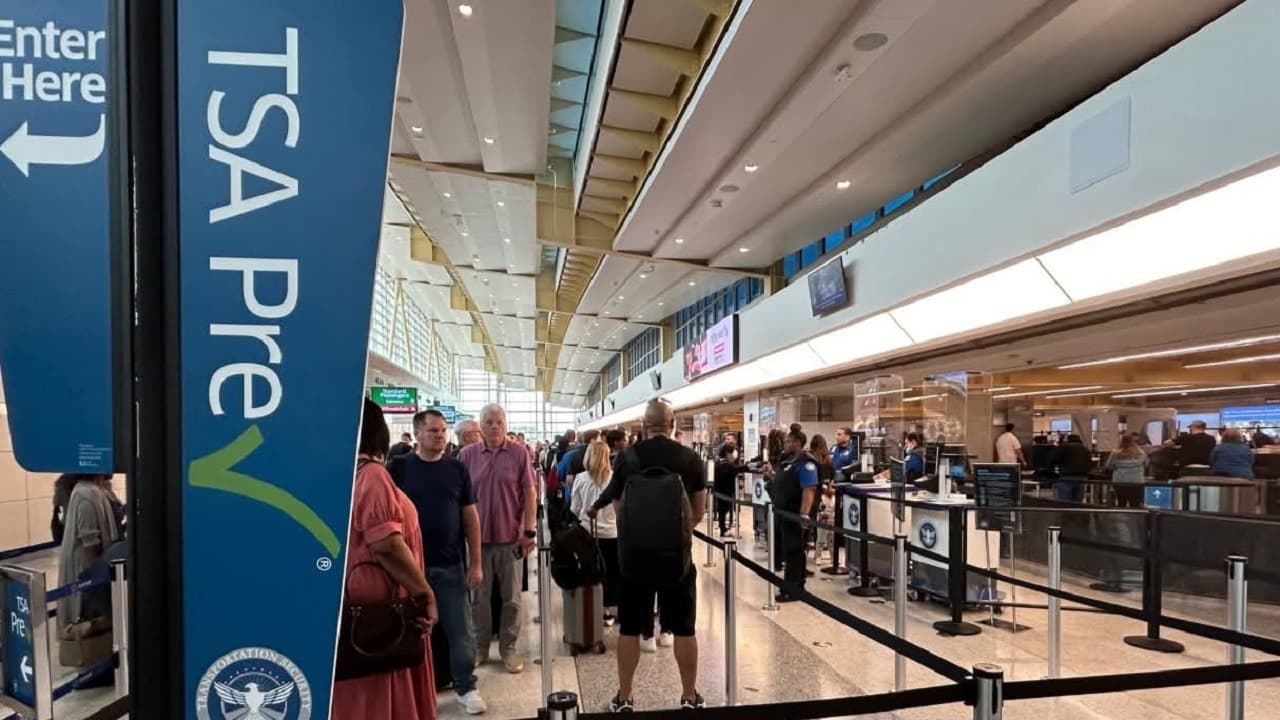
On May 18, a 25-year-old man, Abdulrahman Oriyomi, managed to board United Airlines Flight 469 from Houston to Los Angeles using a fake boarding pass displayed on his phone. He passed through a TSA checkpoint with a document resembling a boarding pass, was initially turned away at one gate, but later slipped into the boarding line at the correct gate, taking advantage of a moment of inattention to bypass the gate agent and board the aircraft. Once onboard, he sat next to a passenger, appeared unsure of his seat, went to the restroom, and then tried to sit in an already occupied seat. The crew became suspicious and questioned him as the aircraft was taxiing. The flight was returned to the gate, all passengers were deplaned, and the aircraft was thoroughly searched, causing a three-hour delay.
This incident raises serious questions about the effectiveness of current security measures, particularly the reliance on visual inspection of boarding passes and the human factor in gate security. For ATPL and ATC students, this case is a stark reminder that security is not just about technology but also about procedures, vigilance, and the ability to detect anomalies. The TSA and airport authorities have launched an internal investigation to understand how a passenger without a valid ticket could pass through multiple security layers.
The Houston case is not isolated. In November 2024, Svetlana Dali, a 58-year-old Russian resident, boarded a Delta flight from JFK to Paris without a valid ticket or passport, and was only discovered mid-flight. Despite being convicted and placed on supervised release, she repeated the feat a year later at Newark, boarding a United flight to Milan. These recurring incidents highlight systemic weaknesses in passenger verification processes.
For aviation students, these events underscore the importance of robust security protocols, crew resource management, and the need for continuous improvement in screening technologies. The aviation industry must balance efficiency with security, and future pilots and controllers must be trained to recognize and respond to security breaches effectively. The case also emphasizes the role of crew coordination in identifying unauthorized persons onboard, a skill that is critical for maintaining safety in the air.