**A Historic Regulatory Shift**
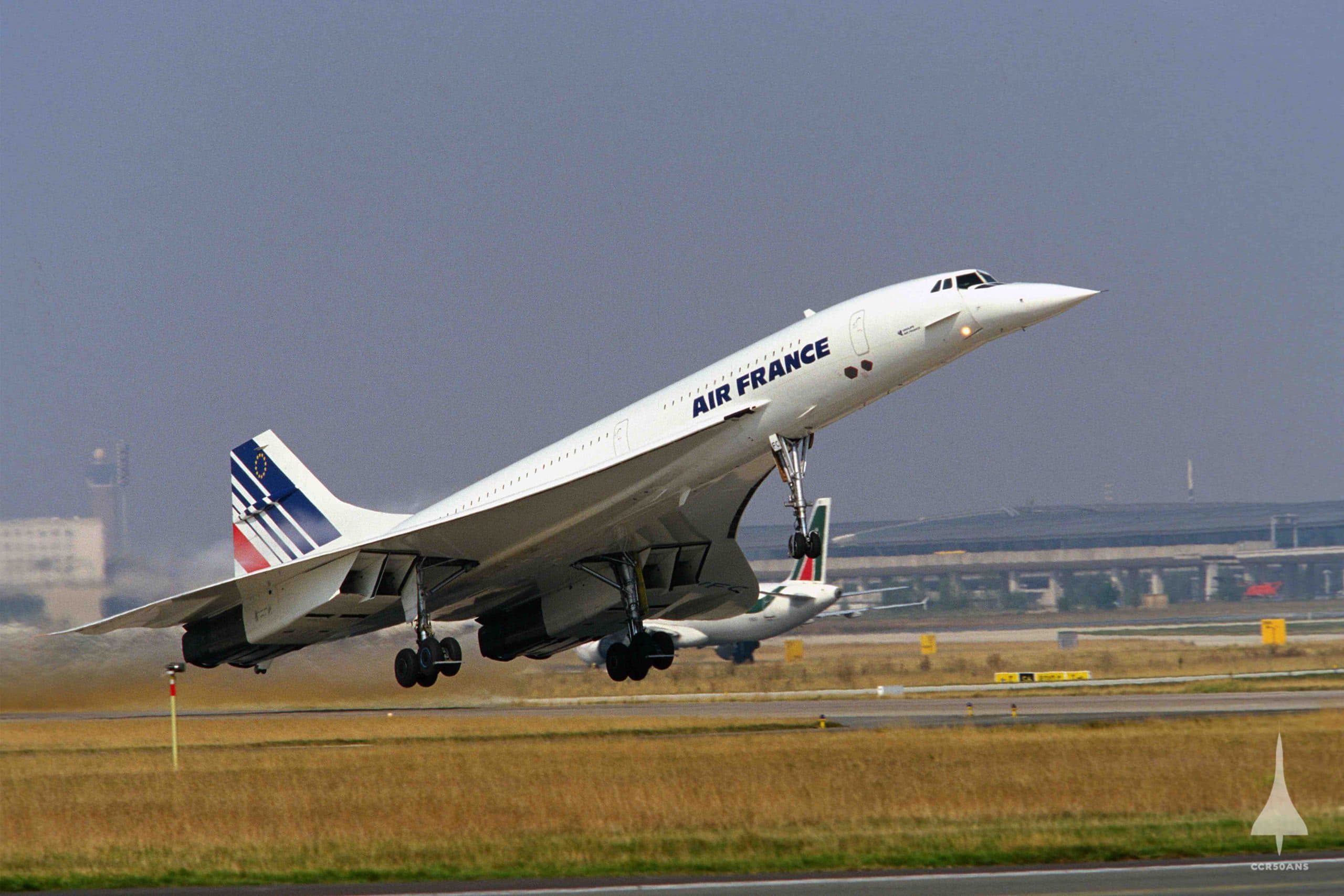
On June 30, the Federal Aviation Administration (FAA) published a Notice of Proposed Rulemaking (NPRM) that could end the 50-year-old prohibition on civil supersonic flights over US territory. Instead of an outright ban, the new rule would allow supersonic operations—up to Mach 1.3—provided the sonic boom is not audible on the ground. This marks a significant departure from the 1973 regulation that grounded Concorde over land and limited its routes to transatlantic crossings.
**The Science Behind the Rule: Mach Cutoff**
The proposed standard relies on a physical phenomenon known as Mach cutoff, which NASA and Boom Supersonic have been exploring. By flying at specific speeds, altitudes, and atmospheric conditions, shockwaves can refract in the atmosphere and never reach the ground. Instead of a sharp sonic boom, people on the ground would hear only a muffled rumble. The FAA proposes a ground overpressure limit of 0.11 pounds per square foot (psf)—far below the Concorde's cruise overpressure of 1.93 psf at Mach 1.93 and 52,000 feet. For context, public annoyance was observed between 1 and 2 psf, with no structural damage below 1 psf.
**Industry and Political Momentum**
This NPRM follows a June 2025 executive order from President Donald Trump directing the FAA to restore US leadership in high-speed flight. A final rule on this interim noise standard is expected by June 2027. Boom Supersonic CEO Blake Scholl called the move "inevitable" for a supersonic renaissance. Boom's Overture, a 64-seat airliner targeting Mach 1.7, aims for entry into service around 2030. The company claims its XB-1 demonstrator validated Mach cutoff during February 2025 tests up to Mach 1.18.
**Criticism and Operational Challenges**
Not everyone is convinced. Dan Rutherford of the International Council on Clean Transportation (ICCT) criticized the 0.11 psf threshold as outdated, noting that a UN expert panel abandoned that metric in 2014 because it doesn't measure perceived noise or annoyance. He also pointed out that the rule places compliance responsibility on operators, not manufacturers. Operationally, Mach cutoff is complex: FAA-funded studies from 2017 showed it's feasible between Mach 1 and Mach 1.15, but only under specific wind conditions—more favorable westbound with headwinds, harder eastbound with tailwinds. Advanced flight planning and real-time atmospheric data integration will be essential. The NPRP does not yet address takeoff and landing noise (LTO), a separate certification hurdle. The FAA plans a second NPRM on LTO noise by December, aiming for a comprehensive rule covering both cruise boom and airport noise.
**What This Means for Aviation Training**
For ATPL and ATC students, this regulatory evolution introduces new operational concepts. Future supersonic flights will require precise altitude, speed, and route planning to stay within noise limits—skills that will be tested in advanced flight planning and airspace management modules. ATC trainees must understand Mach cutoff conditions to issue clearances that avoid noise complaints. Certification processes will also evolve, with new noise standards affecting aircraft design and performance calculations. MyATPS will integrate these developments into our ATPL and ATC curricula, ensuring students are ready for the supersonic era.