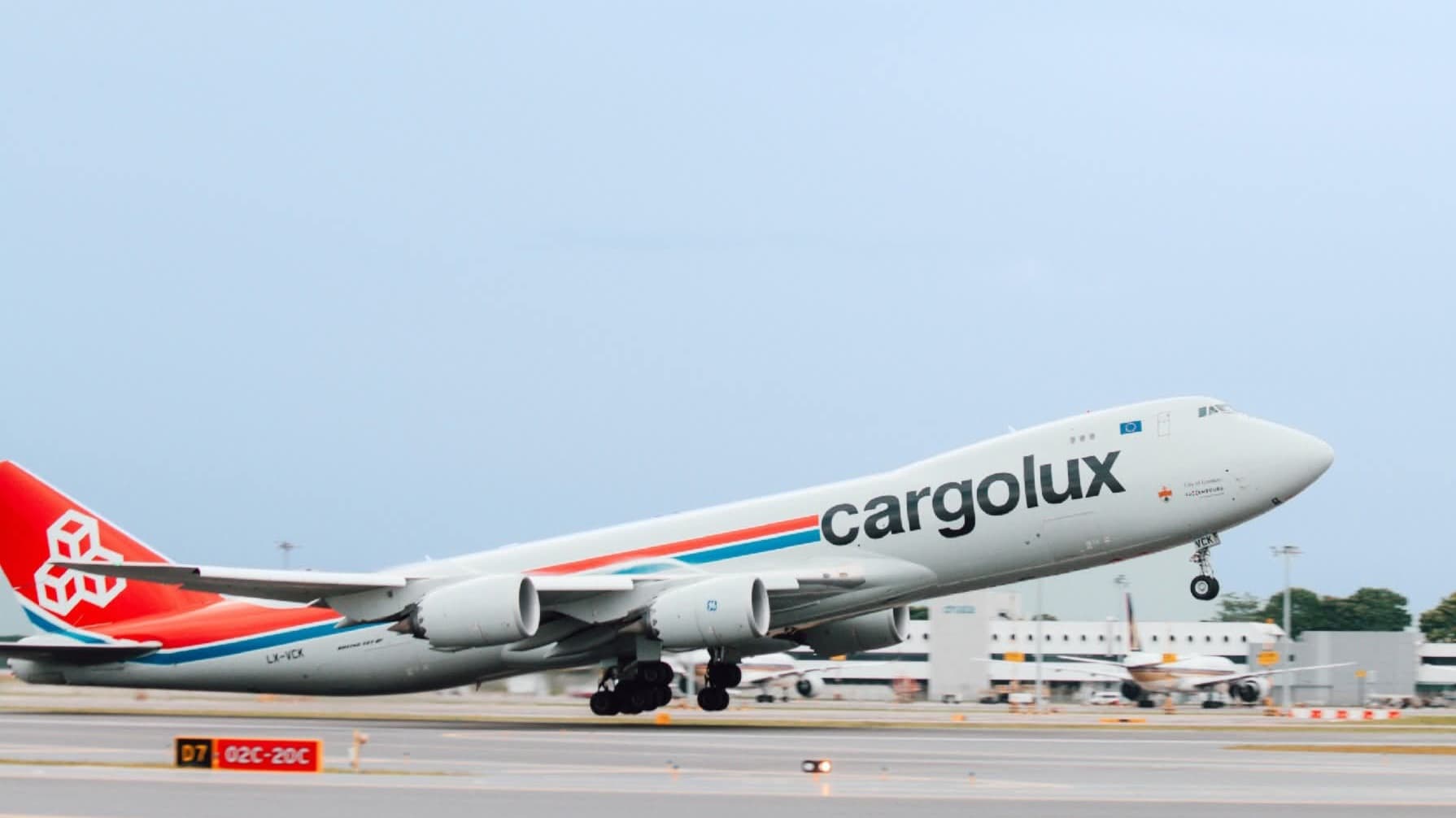
**Why This Matters for Aviation Training**
For ATPL and ATC students, airworthiness directives (ADs) are not just regulatory paperwork—they represent real-world safety decisions that affect flight operations, maintenance planning, and air traffic management. The FAA's latest AD on the Boeing 747-8F is a textbook example of how structural fatigue is monitored and managed in modern transport aircraft. Understanding this process is essential for future pilots and controllers who will work with aging fleets and evolving certification standards.
**The Technical Issue: Fuselage Cracks at Critical Junctions**
The FAA directive, published on July 2 and effective August 6, applies to a specific subset of Boeing 747-8F freighters identified in Boeing's Alert Requirements Bulletin 747-53A2907, Group 3. The problem stems from reports of cracking in longerons and assembly fittings at multiple fuselage stations. Longerons are longitudinal structural members that run along the fuselage, and the fittings connect them to the skin and frames. If cracks propagate, the fuselage could lose its ability to withstand design loads—a catastrophic risk that justifies immediate inspection.
Inspectors must first verify whether radius fillers are installed at certain rivet locations, then perform detailed crack detection on longerons and fittings. Any damage found must be repaired using FAA-approved methods before the aircraft can resume commercial service. Compliance intervals vary by aircraft configuration and usage, particularly the number of pressurization cycles and cargo operational profile.
**Cost and Operational Impact**
The FAA estimates initial inspections could cost up to $344,080 per aircraft, plus potential repair costs depending on crack severity. While this is significant for operators like UPS (about 30 747-8Fs), Atlas Air (17), Cargolux (14), and Cathay Cargo (14), the agency considers it proportionate to the safety risk. For ATPL students, this illustrates how maintenance costs are factored into airline economics and fleet planning—a key consideration in airline management modules.
**Broader Context: Structural Integrity in Aging Aircraft**
The 747-8F entered service in 2011 and production ended in 2023. While relatively young compared to older 747 variants, the freighter fleet accumulates high cycles due to frequent cargo operations. This AD mirrors previous directives on older 747 models, showing that structural monitoring is a continuous process. ATC students should note that such inspections may cause schedule disruptions or groundings, affecting traffic flow and slot coordination at cargo hubs.
**What ATPL and ATC Students Should Take Away**
This AD is a real-world case of how certification authorities respond to in-service findings. For pilots, it reinforces the importance of logbook entries and maintenance coordination. For controllers, it highlights that aircraft groundings for inspections can ripple through airspace capacity. Understanding ADs helps future aviation professionals anticipate operational constraints and communicate effectively with maintenance teams.