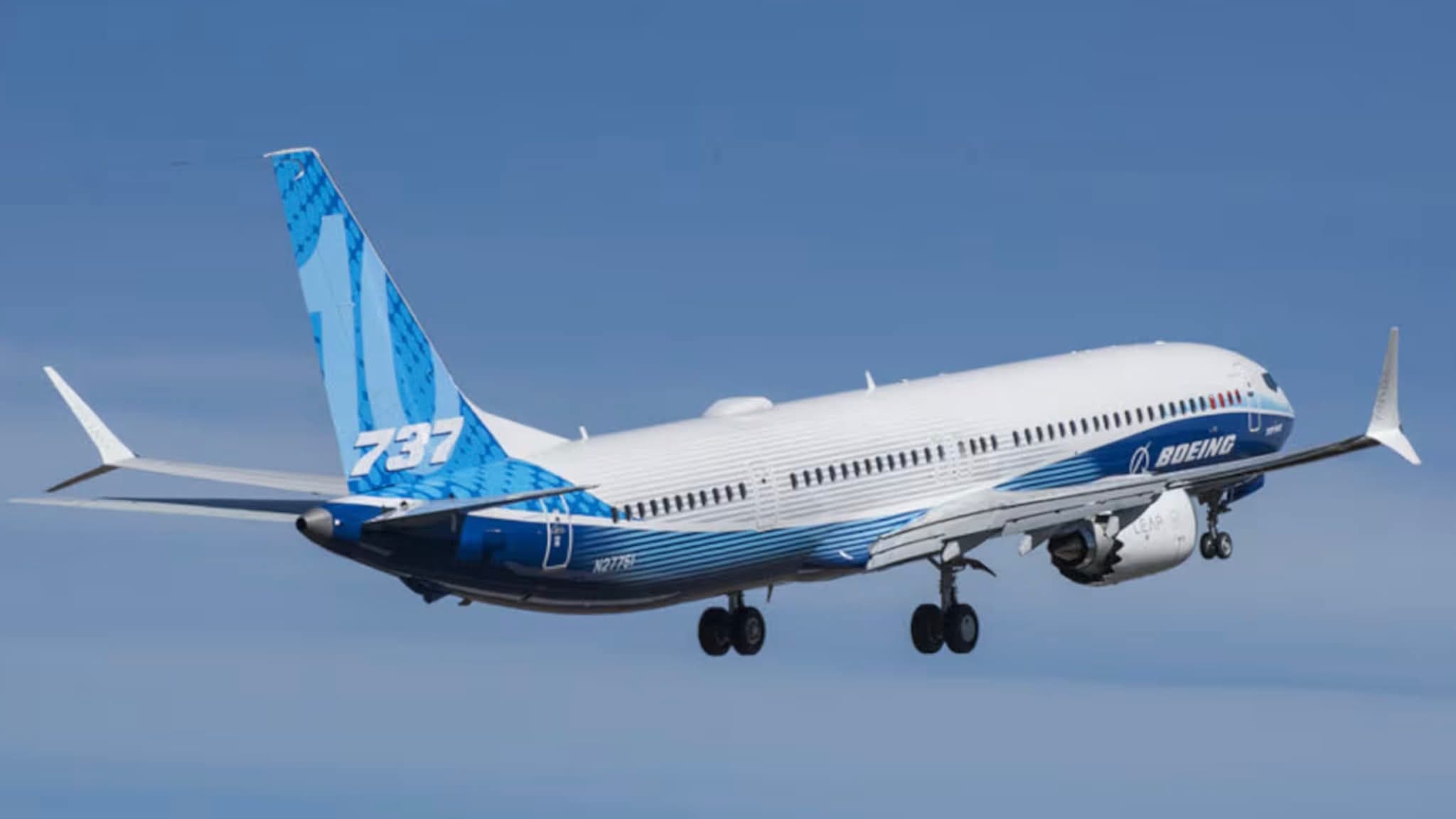
After nearly a decade of development and more than eight years since its first flight, the Boeing 737 MAX 7 has received its amended type certificate from the US Federal Aviation Administration (FAA). This long-awaited approval marks the culmination of extensive work to address the flaws exposed by the 2018–2019 MAX 8 accidents, strengthen safety systems, and overhaul certification processes in the United States. The green light paves the way for first deliveries, now expected in 2027.
The certification journey was anything but routine. The FAA emphasized that the process took "almost a decade," an unusually long time for a derivative of an existing aircraft. Originally slated for service entry in 2019, the MAX 7 was caught in what some call a "regulatory shear" following the Lion Air and Ethiopian Airlines crashes, which grounded the entire MAX fleet and forced a complete rethink of FAA certification methods. Boeing conducted hundreds of flight and ground test hours, far exceeding typical standards for a derivative, and underwent deep safety analyses, including human factors and crew workload reviews.
Key modifications mandated by the FAA include updates to flight control software, improved cockpit alerts for pilots, and a redesigned engine anti-icing system for the CFM LEAP-1B engines. The anti-icing system, which could overheat under certain conditions, was a major technical hurdle for both the MAX 7 and MAX 10. Boeing and CFM reworked thermal management through aerodynamic and structural changes, resulting in a redesigned system now standard on new MAX 7 and MAX 10, and planned for retrofit on existing MAX 8 and 9 aircraft. Additionally, Boeing introduced an "Enhanced Angle of Attack System" on the MAX 10 to address concerns about sensor redundancy, a key issue in the MCAS controversy. Once the MAX 10 is certified, this new AoA system will be installed on all new MAX aircraft and progressively retrofitted on those already in service.
For Boeing, the MAX 7 certification is a strategic milestone in its commercial division's recovery. Stephanie Pope, CEO of Boeing Commercial Airplanes, called it a "pivotal certification" that clears the way for deliveries and honoring customer commitments. The news also bodes well for the MAX 10, the largest variant, whose certification flight tests were completed in July, with nearly 1,000 flights and over 2,000 flight hours. Boeing expects MAX 10 certification by the end of the year, with mostly documentation and administrative work remaining.
This certification reflects a new era of FAA oversight, where Boeing must demonstrate compliance with heightened safety standards. For aviation professionals, it underscores the importance of understanding evolving aircraft systems and certification processes—knowledge that is directly relevant to ATPL and ATC training.