The U.S. Federal Aviation Administration (FAA) has opened a public consultation on a sweeping proposal to modernize the certification rules for transport-category aircraft and their engines. The stated goals are to shorten approval timelines, reduce costs, and bring U.S. standards closer to those of the European Union Aviation Safety Agency (EASA), all while maintaining or even enhancing safety. Published in the Federal Register, the proposal could provide a regulatory boost for manufacturers such as Boeing, Airbus, Embraer, and Bombardier, whose new aircraft programs depend heavily on smooth certification processes.
At the heart of the proposal is an effort to align several airworthiness standards from Part 25 (transport aircraft) and engine regulations with requirements already in force at EASA. The FAA argues that this convergence will "ensure consistent requirements" on both sides of the Atlantic and reduce the engineering workload needed to demonstrate compliance with two different regulatory frameworks. Specifically, the FAA wants to incorporate into baseline regulations many of the exemptions, special conditions, and "equivalent level of safety" findings that are currently handled case-by-case during certification projects. The aim is to reduce ad hoc decisions, which are seen as sources of complexity and delay, without altering the core technical requirements but making them clearer and more predictable for industry.
The FAA insists that the modernization will not compromise safety. "The modernization of airworthiness standards will reduce certification time and costs while maintaining or even enhancing safety," the agency states in the proposed rule. Former FAA Administrator Mike Whitaker had already signaled in 2024 that the agency was considering using more advanced technologies to streamline the process, while his successor Bryan Bedford is pushing for more structural reforms. This initiative builds on a long-standing cooperation with Europe, formalized through the Technical Implementation Procedures between the FAA and EASA, which aim to avoid duplication and speed up the installation of safety-enhancing equipment on aircraft.
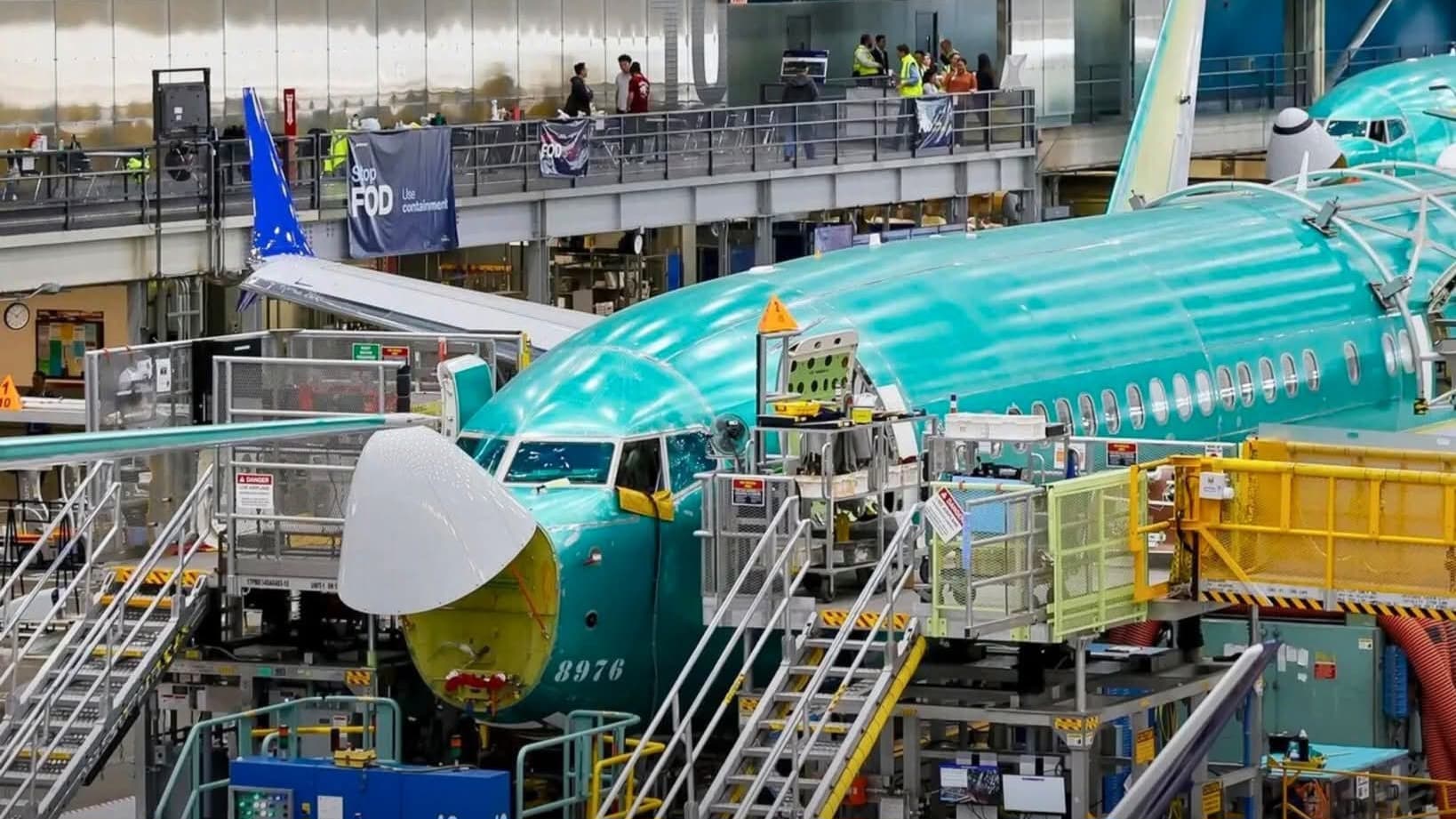
The timing is significant: the FAA and EASA have reported "significant progress" toward validating two new 737 MAX variants, the MAX 7 and MAX 10. Boeing initially hoped to certify the MAX 7 in 2022 but faced technical issues and additional regulatory demands after the MAX 8 accidents. FAA Deputy Administrator Chris Rocheleau said the agency is in the final stages of certifying both variants, while EASA Executive Director Florian Guillermet called validation of the MAX 10 a "top priority." The proposed rule is open for public comment until the end of summer 2026 before final adoption.
For ATPL and ATC students, this regulatory shift matters because it directly affects the aircraft they will fly or control. Harmonized certification means that future aircraft will meet common safety standards on both sides of the Atlantic, simplifying maintenance, operational approvals, and cross-border operations. Understanding the interplay between FAA and EASA rules is essential for any pilot or controller working in international aviation, as it influences everything from aircraft performance data to emergency procedures.