The Balearic Islands have long been a classic Mediterranean destination, typically explored by car or from the beach. But two recent proposals are set to change how travelers experience the archipelago: a project to operate hybrid airship flights to Mallorca, and the launch of catamaran cruises between Mallorca and Menorca. These two very different modes of travel—by air or by sea—offer unique perspectives on the islands.
On one hand, Hybrid Air Vehicles (HAV), the British manufacturer behind the Airlander, has signed a memorandum of understanding with the Spanish company Defentia. This collaboration aims to explore industrial opportunities, systems integration, and the development of activities in Spain. The Airlander is not a conventional airship; it combines aerodynamic lift, helium, and propulsion, making it suitable for slow journeys, tourist missions, or operations requiring reduced noise and environmental impact. Mallorca is among the territories being considered for potential operations. According to the Majorca Daily Bulletin, HAV's trials are ongoing before a potential deployment in the Balearics. The newspaper cites the possibility of operations at Palma, noting that "there is plenty of room to operate an Airlander" at Palma airport. However, no commercial flights to the Balearics have been announced or opened for booking yet. The project still depends on the aircraft's certification, production timeline, and necessary operational approvals.
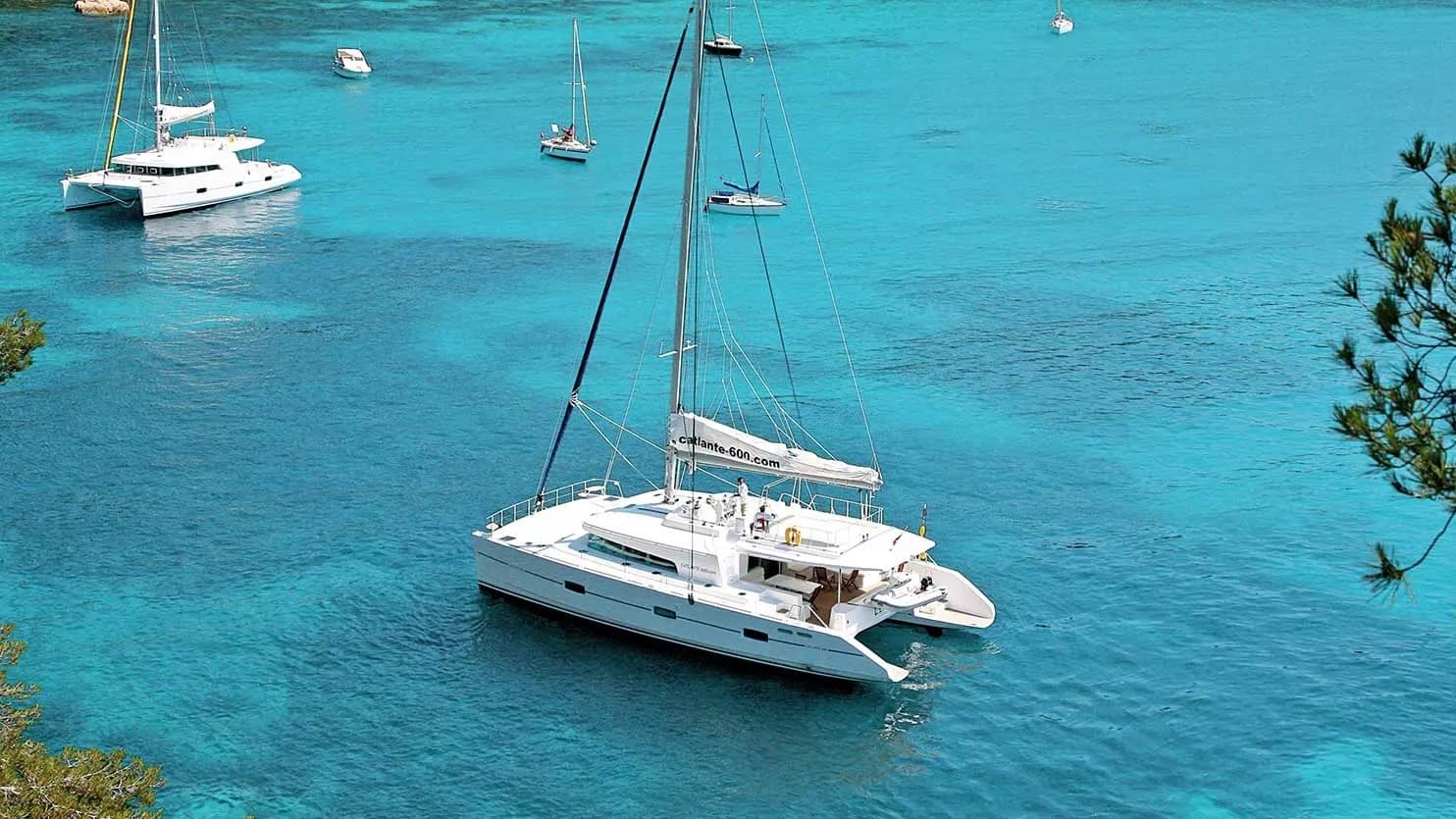
On the other hand, the travel agency Catlante has launched an eight-day catamaran cruise between Mallorca and Menorca, with embarkation and disembarkation in Palma. This summer's launch is part of the operator's fleet expansion, which plans to grow from 16 boats in 2025 to 21 units by 2027. The catamaran journey begins on the southern coast of Mallorca, with stops at Cap Enderrocat, Cala Pi, Es Carbó, Cala Mondragó, and Cala d'Or, before crossing to Menorca. Passengers then explore the island's coves, including Cala Mitjana, Cala Macarella, Cala Turqueta, and Cala Son Saura. Catlante describes the program as a meeting between "solar Mallorca" and "secret Menorca." The cruise includes nights at anchor, meals and drinks on board, as well as paddle, canoe, and snorkeling equipment. Two types of catamarans are offered: the Catlante 600 in Comfort format, accommodating up to 14 passengers in six cabins with two crew members, and the Catlante NEO in Prestige format, also with six cabins, air conditioning, and a third crew member.
These two options represent different rhythms of travel. The Airlander airship remains a project to watch, potentially offering a slower, panoramic arrival to Mallorca, designed for travelers who want the journey itself to be an experience. The catamarans provide another approach to the Balearics—by sea—allowing passengers to alternate sailing, swimming, and stops in ports, while accessing coves that are sometimes difficult to reach by road. For aviation and maritime enthusiasts, these developments highlight the growing interest in sustainable and experiential travel, which could influence future training and operational considerations in the industry.