**A new chapter for a retired superjumbo**
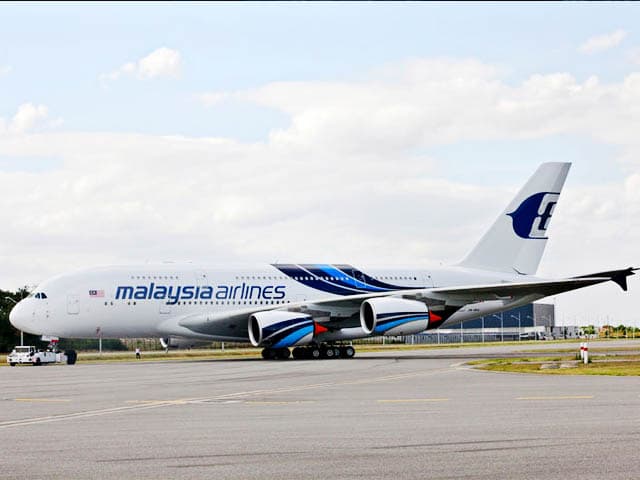
Airbus has taken delivery of MSN 114, a former Malaysia Airlines A380, and is converting it into a dedicated flying testbed. The aircraft, originally delivered in March 2013, was retired during the pandemic and stored at Tarbes-Lourdes-Pyrénées airport in France. After a period of reactivation and heavy maintenance, it flew to Shannon, Ireland, on July 16, 2026, where it will receive an Airbus livery before undergoing extensive modifications. Re-registered as 2-JAYN under Airbus Financial Services, this aircraft will replace the original A380 testbed F-WWOW, which served Airbus for nearly two decades.
**A key role in the Clean Aviation Companion program**
MSN 114 is central to the European Union-funded Companion project, part of the Clean Aviation initiative, with a budget of €25.7 million. The goal is to transform the A380 into a shared flight-test platform for validating ultra-efficient propulsion systems under real operating conditions. Starting in 2027, the aircraft will be heavily modified to accommodate CFM International's RISE open fan demonstrator on engine position number 2, with flight tests expected from 2029. Airbus will focus on aircraft integration, measuring aerodynamic interference, structural loads, thrust-drag trade-offs, noise, and emissions. Additionally, the FlightLab A380 is expected to test a hybrid variant of Pratt & Whitney's PW1100G engine, expanding the scope to hybrid propulsion systems and fuel-saving solutions.
**Why this matters for ATPL and ATC students**
For ATPL candidates, this conversion demonstrates how retired airframes can serve as cost-effective platforms for testing next-generation propulsion and systems, a concept that may appear in technical exams or interview discussions. Understanding the engineering challenges of integrating an open fan engine on a high-wing aircraft like the A380—such as pylon loads, vibration, and airflow interference—is directly relevant to aircraft performance and systems knowledge. For ATC students, the flight test campaigns will involve special handling procedures, restricted airspace, and noise abatement considerations, offering real-world examples of how experimental flights are managed. The project also highlights the importance of international collaboration (EU funding, CFM, Pratt & Whitney) in aviation R&D, a theme that resonates with the global nature of the industry.
**A symbol of A380 repurposing**
While most retired A380s have been scrapped or stored, MSN 114's conversion into a flying laboratory offers an alternative path for the superjumbo. Airbus emphasizes that such testbeds allow validation of modernizations, equipment testing, certification support, and research programs that cannot be fully replicated on the ground. This project underscores the ongoing value of the A380 airframe beyond commercial service, particularly for high-risk, high-reward technology demonstrations.