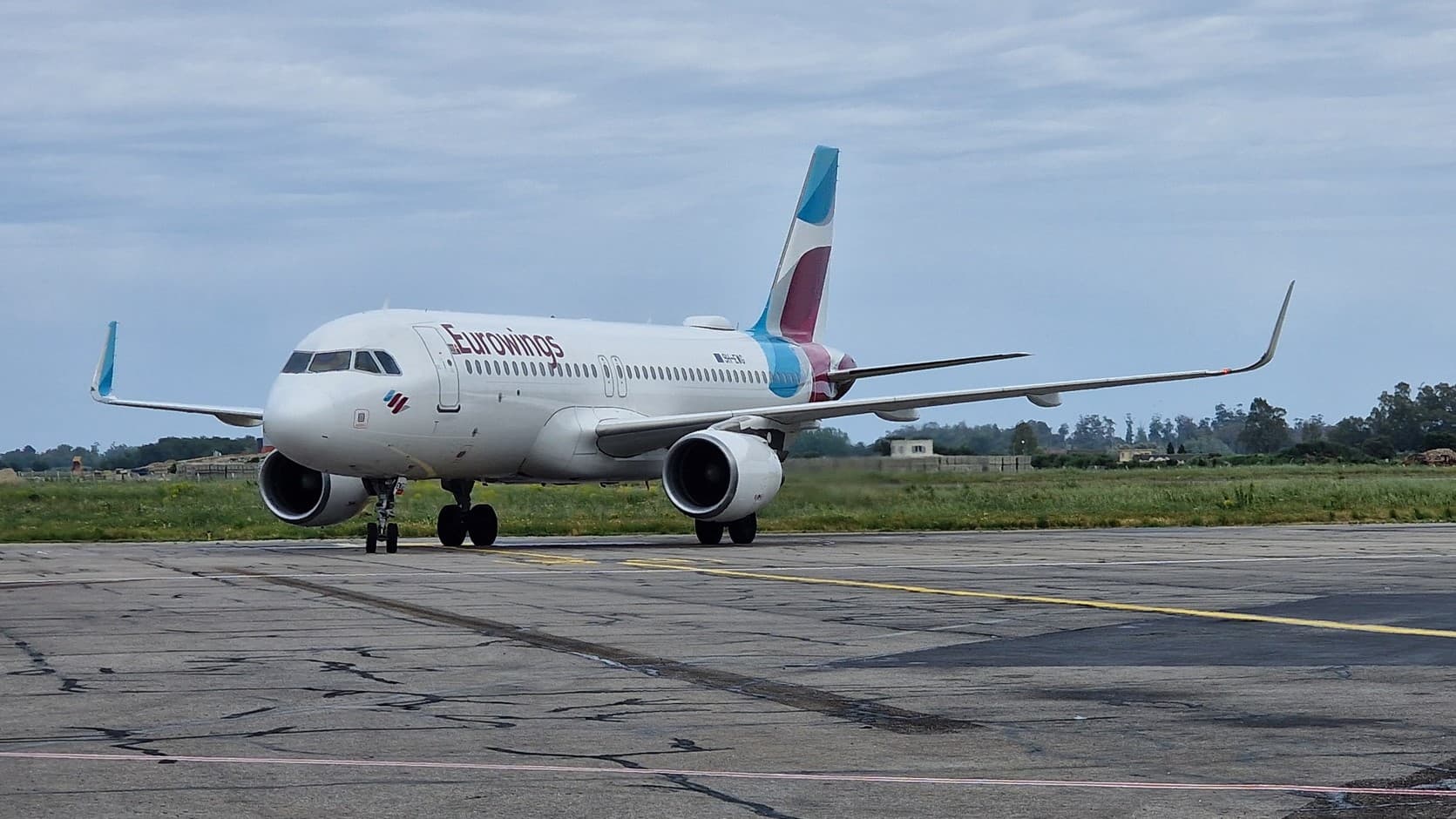
**Eurowings doubles winter presence in Mallorca: strategic insights for aviation students**
German low-cost carrier Eurowings, a subsidiary of the Lufthansa Group, has announced a significant expansion of its winter operations at Palma de Mallorca Airport (PMI) starting from the 2026/2027 winter season. In partnership with the Balearic Islands government, the airline plans to base six aircraft at Palma—double the number it had two years ago. This move is part of a broader strategy to reduce the strong seasonality of tourist traffic and support year-round local employment.
**Why this matters for ATPL and ATC students**
For future airline pilots and air traffic controllers, this news illustrates how airlines adapt their network planning to seasonal demand. Understanding seasonality is crucial for flight planning, crew scheduling, and airport capacity management. The decision to base more aircraft in Mallorca during winter reflects a shift from traditional summer-only operations to a "four-season" tourism model, which has direct implications for route planning, aircraft utilisation rates, and maintenance scheduling. ATC students should note that increased winter traffic at a previously quiet airport will require adjustments in airspace management, slot coordination, and ground handling resources.
**Potential MRO base: a game-changer for maintenance careers**
Beyond commercial operations, Eurowings is studying the creation of an aircraft maintenance centre in Palma. If realised, this would be a strategic move, anchoring the airline more deeply on the island and generating skilled, permanent jobs in the MRO (Maintenance, Repair and Overhaul) sector. For ATPL students, this highlights the growing trend of airlines internalising maintenance activities to secure supply chains and reduce dependency on third-party providers. ATC students should be aware that a maintenance base increases aircraft movements for test flights and repositioning, affecting apron and runway management.
**Broader industry context**
This initiative aligns with a European trend where low-cost carriers are moving beyond pure point-to-point operations to develop more stable, year-round networks. The Balearic government's push for sustainable tourism—spreading visitors across seasons and regions—mirrors similar efforts in other Mediterranean destinations. For aviation trainees, this case study demonstrates how economic, environmental, and operational factors intersect in real-world airline strategy.
**Conclusion**
Eurowings' winter expansion in Mallorca is not just a commercial decision; it is a textbook example of network planning, seasonal demand management, and infrastructure investment. ATPL and ATC students can learn from this how airlines balance fleet allocation, maintenance capacity, and regulatory partnerships to achieve long-term stability.