**European Airlines Boost China Flights Despite Russian Airspace Ban and Higher Costs**
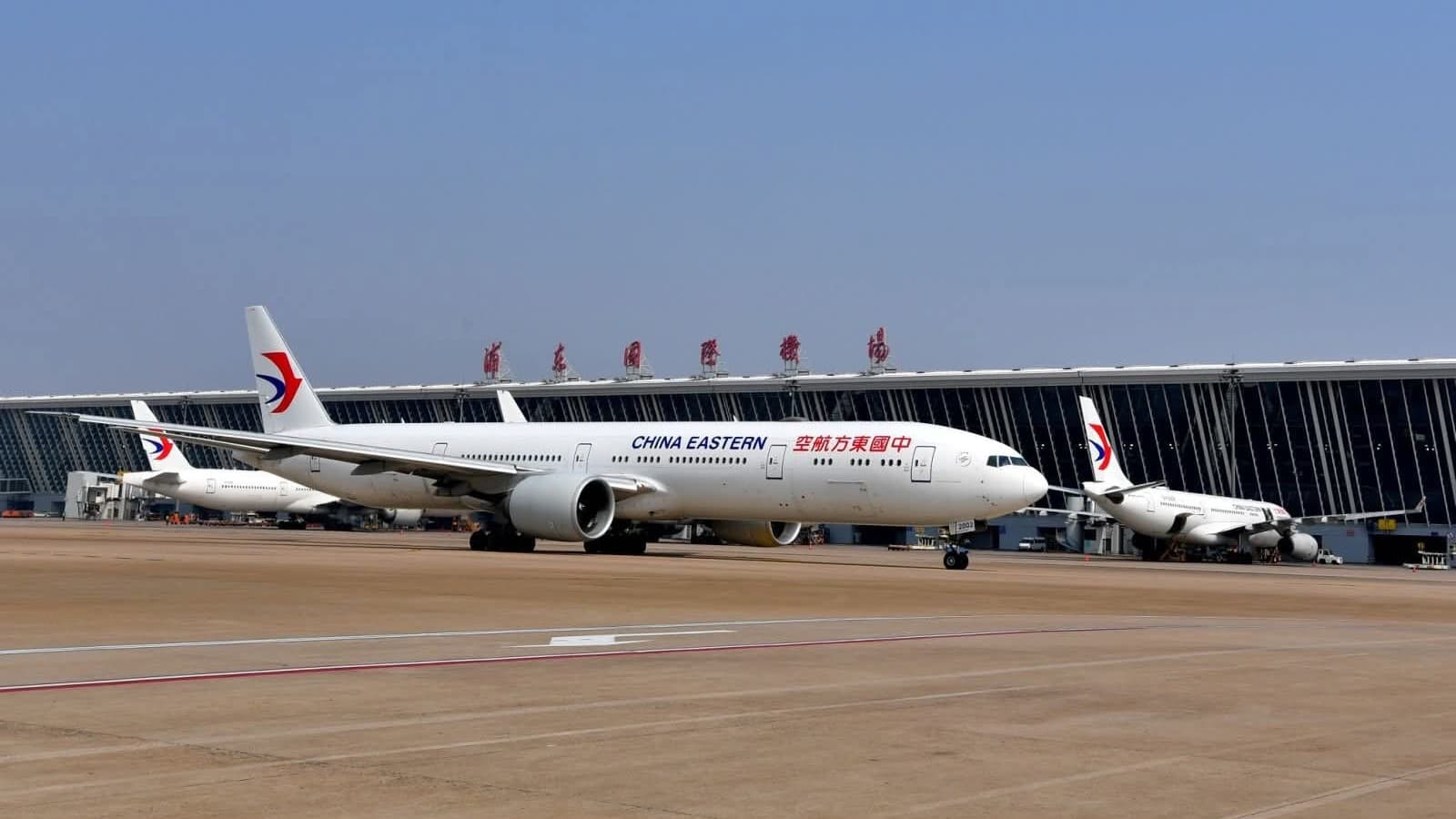
As summer 2025 approaches, demand for travel between Europe and China is surging, prompting European airlines to increase flight frequencies despite significant operational hurdles. According to data from OAG, the number of direct flights between China and Europe is set to rise from 3,011 rotations in May to 4,151 in August—a jump largely driven by Chinese carriers, but one that European airlines like Air France are determined to share.
**Capacity on the Rise**
The OAG data reveals a clear upward trend: last summer, the increase was more modest, from 3,011 flights in May to 3,393 in August. This year's acceleration underscores the strength of the rebound. Chinese airlines, which still enjoy access to the Siberian corridor and a favorable regulatory environment, are adding nearly 2,900 extra flights to Europe over the summer season compared to last year. However, European carriers are gradually returning to the market, increasing frequencies and capacity on major routes such as Paris, Amsterdam, Frankfurt, London, and Zurich.
**European Airlines Cautiously Return**
In May 2025, OAG recorded 508 flights operated by European airlines (excluding Russian carriers) on China-Europe routes, a number expected to reach 551 rotations per month in July and August. Last year, the increase was far more modest, from 445 to 463 flights between May and August. Key European operators include Air France, Air Serbia, British Airways, Finnair, KLM, Lufthansa, Swiss, and Turkish Airlines, with schedules combining major hub services and some secondary links. Still, the balance of power remains heavily tilted toward Chinese carriers, which now control over 80% of capacity on the China-Europe market (excluding Russia), up from about two-thirds before the pandemic.
**Costly Detours via the Arctic and Middle East**
Unlike their Chinese counterparts, European airlines remain banned from flying over Russian airspace due to counter-sanctions imposed by Moscow in 2022 in response to Western measures linked to the war in Ukraine. They must therefore take longer routes around Siberia, adding two to three hours per flight and significantly increasing fuel and crew costs. According to OAG estimates, these detours can add "at least $10,000 in additional costs per flight hour," a major competitive disadvantage compared to Chinese airlines that continue to use the most direct routes. Adding to this structural constraint are tensions in the Middle East, which have led many operators to avoid Iranian airspace since U.S.-Israeli strikes in late February, complicating traditional Europe-Southeast Asia routes. Fuel prices remain high: as of May 1, jet fuel stood at $181.22 per barrel, according to IATA, further burdening already extended long-haul flights. In this context, several European airlines have reduced or suspended some China routes in recent months, but others, like Air France-KLM and Turkish Airlines, are choosing to strengthen their most profitable links.
**China as a Substitute Destination for European Tourists**
The overflight restrictions and deteriorating security situation in the Middle East are complicating operations on major Europe-Southeast Asia routes, pushing some European travelers to consider alternative Asian destinations. Meanwhile, China has been easing visa requirements for several European countries, allowing short stays without a visa for certain nationals and simplifying entry procedures since 2023. "Demand is coming from increased travel to China from Europe," says independent analyst Li Hanming, quoted by the South China Morning Post. "With fewer flights to Southeast Asia, European visitors see China as a good destination this summer. The Russian airspace is no longer a major obstacle," he adds, noting that passengers are becoming accustomed to longer itineraries and that supply is growing nonetheless. This shift in demand directly benefits major Chinese cities—Beijing, Shanghai, Guangzhou, Shenzhen—as well as some secondary cities served by Chinese majors, which are rapidly expanding their European networks. For European carriers, the challenge is to capture a share of this flow by offering direct flights, quality service, and seamless connections to the rest of their long-haul networks.
**Air France-KLM Strengthens Offer to Shanghai and Beijing**
Within the European landscape, the Air France-KLM group is positioning itself at the forefront of the China-Europe market, gradually increasing its capacity to mainland China. According to Chinese media reports, Air France will increase its Shanghai-Pudong to Paris-Charles-de-Gaulle service from 7 to 10 weekly flights this autumn, adding three daytime rotations between September 11 and October 25. This move reflects the group's strategy to compete on key routes despite the cost disadvantages. For ATPL and ATC students, this news highlights the real-world impact of geopolitical tensions on flight planning, fuel management, and route optimization—topics that are central to their training.