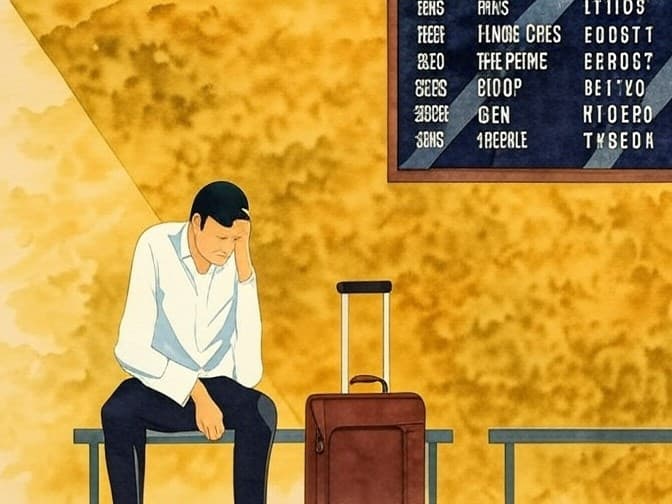
The European Union (EU) is taking significant steps to protect passenger rights by prohibiting airlines from charging certain ancillary fees. This includes fees for parents who wish to sit next to their children and charges for minor typographical errors in passenger names. This reform is part of a broader initiative aimed at enhancing passenger rights, negotiated between the European Parliament and member states. One of the most impactful changes is the ban on airlines charging families for selecting adjacent seats, a practice that has been common among low-cost carriers like Ryanair. Previously, families could face substantial additional costs simply to sit together during flights.
Another notable change is the prohibition of fees for correcting minor spelling mistakes in passenger names, which could previously cost up to 160 euros with some airlines. This reform seeks to eliminate what many consider disproportionate fees for simple errors that do not affect the passenger's identity. While these changes are significant, the current compensation system for flight delays and cancellations remains intact. Initially, there were discussions about reducing compensation amounts and increasing the thresholds for eligibility, but these proposals were ultimately abandoned. The existing compensation framework, which ranges from 250 to 600 euros based on distance and applies after three hours of delay, will continue to be enforced.
The agreement has been praised by passenger advocacy groups as a necessary step towards balancing the rights of travelers with the operational realities of airlines. However, airlines have long criticized the cost of the compensation regime, arguing it imposes billions in expenses across Europe, which they claim affects ticket prices and their investment capacity. Consumer associations, on the other hand, emphasize the importance of maintaining a clear and protective regulatory framework.
Despite these advancements, the EU Parliament was unable to mandate free cabin baggage as part of the ticket price. While there was an attempt to prohibit specific fees for cabin baggage up to 7 kg, this proposal did not make it into the final compromise. Airlines will still be allowed to charge for certain ancillary services, such as priority boarding or specific hand luggage, as long as they adhere to EU transparency regulations.
The political agreement reached between the Parliament and member states must now be formally adopted by both institutions before it can take effect. Once published in the Official Journal of the EU, these new rules will apply to all flights departing from airports within the Union, regardless of the airline's nationality. Consumer advocacy groups are already calling on national authorities and the Commission to closely monitor the implementation of these ancillary fee prohibitions to prevent the emergence of new hidden costs.