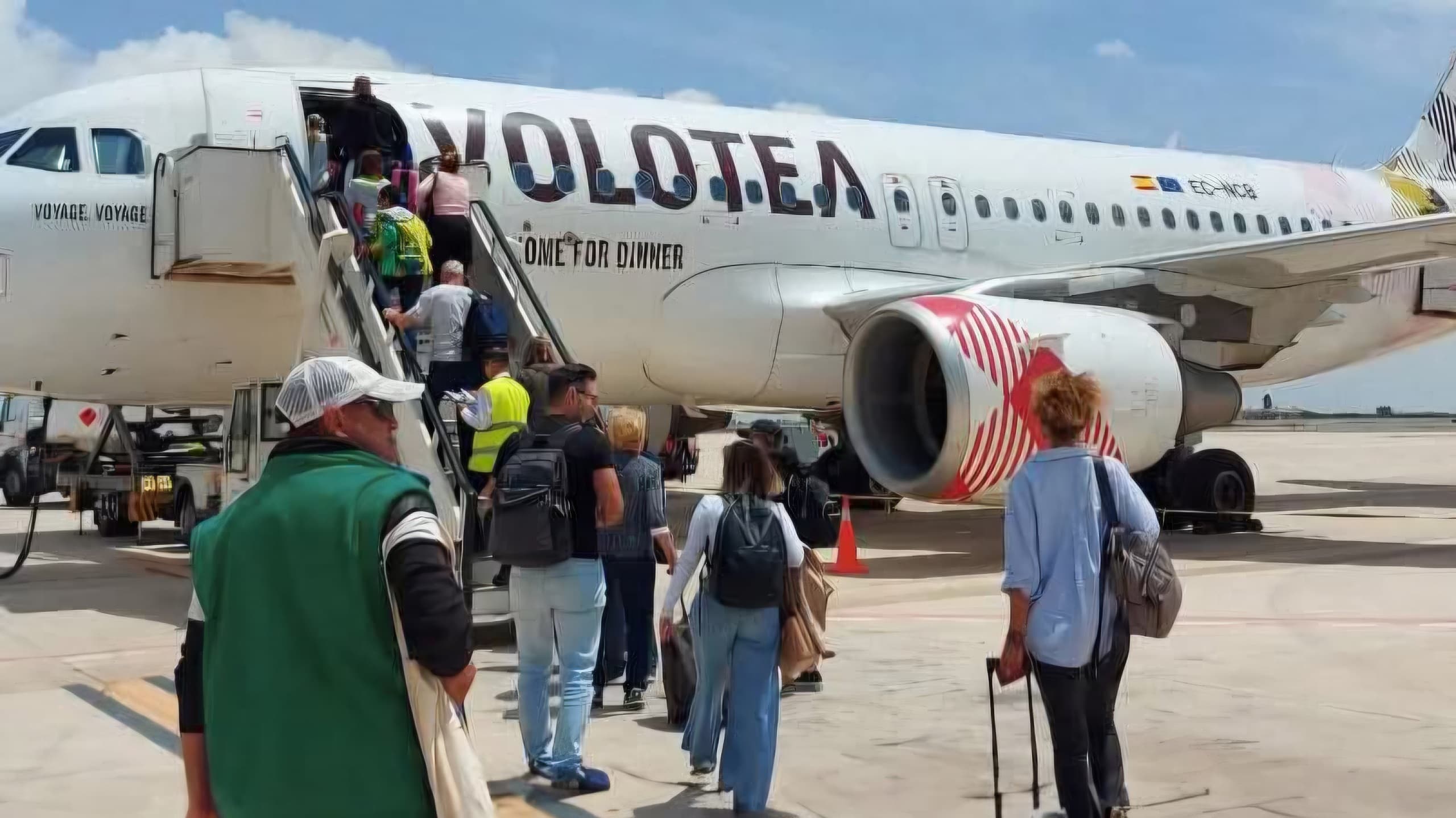
The European Union has adopted a major reform of air passenger rights, set to take effect in mid-2027. While the current Regulation (EC) No 261/2004 remains in force until then, the new rules introduce significant clarifications and enhancements that will directly affect airline operations, crew procedures, and the way disruptions are handled. For ATPL and ATC students, this is not just a legal update — it is a practical framework that will shape daily decision-making in the cockpit and the control tower.
**Key changes relevant to aviation professionals**
One of the most notable updates concerns cabin baggage. Airlines will be required to display a fare that includes a carry-on bag from the very first search result, making price comparison easier for passengers. This means that the long-standing practice of charging separately for cabin luggage will be restricted. For pilots and cabin crew, this could lead to fewer disputes at the gate and more predictable boarding processes. Additionally, children under 14, passengers with reduced mobility, and pregnant women must be seated next to their companions free of charge. This rule will require airlines to adjust seat allocation algorithms, which may affect load distribution and weight-and-balance calculations — a topic every ATPL student studies in depth.
**Compensation thresholds remain, but exceptions are clarified**
The familiar compensation amounts — €250, €400, and €600 depending on distance — are maintained. However, the definition of “extraordinary circumstances” is tightened. Strikes by airline staff (pilots, cabin crew, ground staff) are no longer considered extraordinary; they fall under the carrier’s responsibility. In contrast, air traffic control strikes, extreme weather, and security incidents remain exempt from compensation. For ATC students, this distinction is crucial: when a delay is caused by a strike in the control tower, the airline is not liable for compensation, but it still must provide care (meals, accommodation, re-routing). For pilots, understanding these nuances helps in communicating with passengers and making operational decisions during disruptions.
**Assistance and re-routing obligations expand**
After two hours of waiting, passengers are entitled to a drink; after three hours, a meal; and then a meal every five hours, up to three per day. Internet access and two phone calls must also be provided. Re-routing must be “comparable” to the original itinerary — another flight, another airline, another airport, or even a train — without adding unnecessary connections. If the airline fails to offer a solution within three hours, passengers can arrange their own re-routing and claim up to four times the ticket price. Even in extraordinary circumstances, the airline must still provide re-routing and assistance; only the fixed compensation is waived. This means that operational staff must be prepared to activate contingency plans quickly, and ATC may need to coordinate with airlines to facilitate re-routing.
**Why this matters for ATPL and ATC students**
These rules are not abstract legal texts — they are part of the operational environment you will work in. As a pilot, you will be the first point of contact for passengers during delays. Knowing exactly what the airline owes them (and what it does not) helps you manage expectations and reduce conflict. As an air traffic controller, your actions can trigger compensation obligations: a holding pattern that causes a three-hour delay, or a re-routing due to a strike, has financial and operational consequences. The 2027 reform makes these responsibilities clearer, but also more demanding. Studying it now will give you a head start in your career.
**Practical takeaway**
Keep an eye on the official publication in the EU Official Journal. The reform will enter force 12 months and 20 days after publication, likely around mid-2027. Until then, the current Regulation 261/2004 applies. For your exams and future job, focus on the distinction between ordinary and extraordinary circumstances, the new assistance timelines, and the expanded re-routing obligations. These are the points most likely to appear in operational scenarios and interview questions.