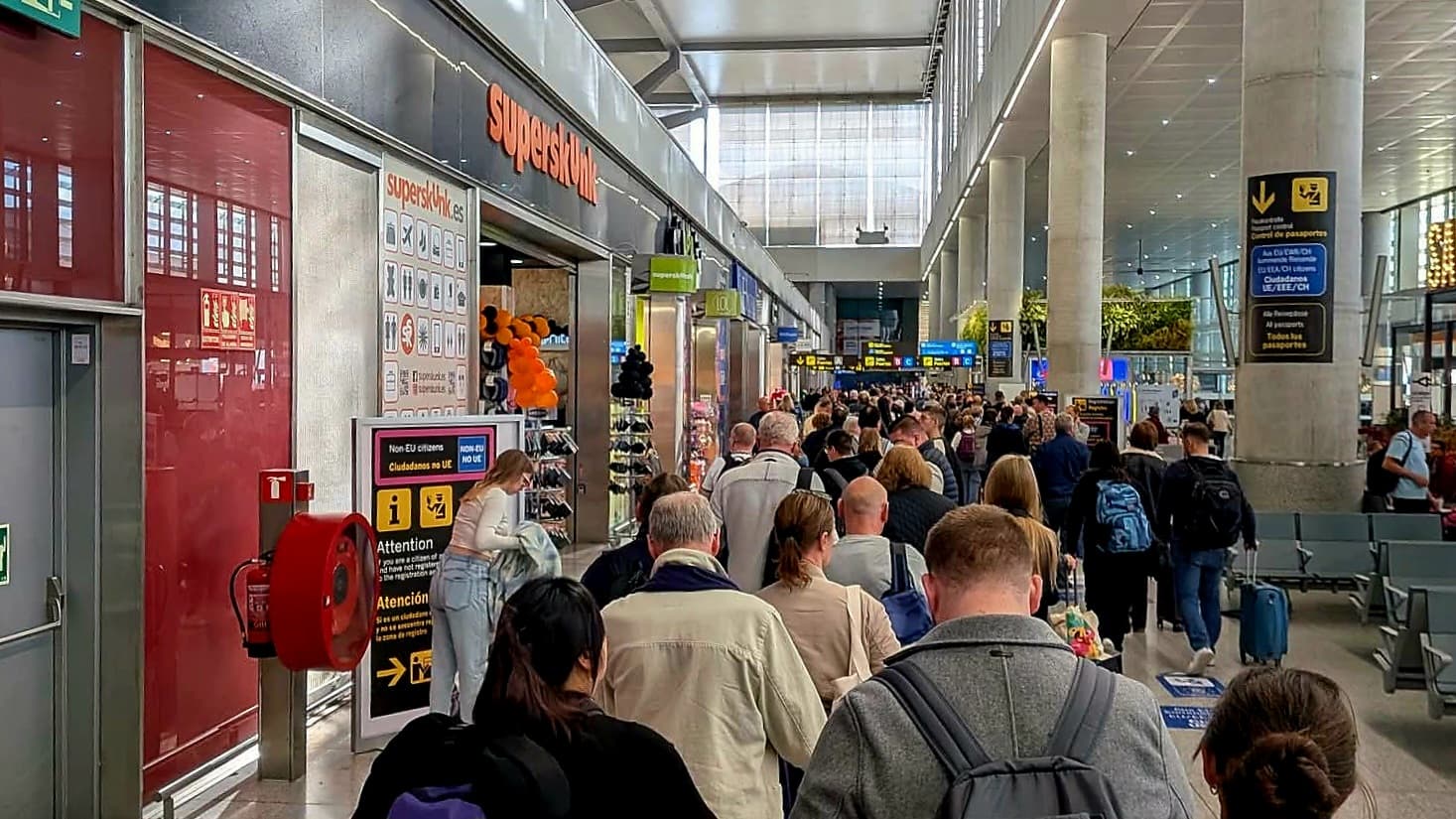
The European Union's Entry/Exit System (EES), fully operational since April 2026 after a phased rollout starting in autumn 2025, is creating significant disruption at external Schengen borders. Designed to replace manual passport stamps with digital biometric registration for non-EU nationals, the system collects fingerprints and facial images on first entry and reuses them at each crossing. However, its implementation has led to queues of up to five hours at peak times in major hubs, with passengers sometimes waiting outside terminals or on parking areas.
Brussels now acknowledges the problems. European Commission President Ursula von der Leyen has admitted that 'much remains to be done' to resolve the chaos. Frontex and EU officials estimate it could take up to two years for the system to stabilize—a period described as 'very painful' by travel professionals. Despite this, the Commission defends the EES as a security measure, noting that over 40,000 people have already been refused entry, including more than 1,000 deemed security risks.
The operational impact on aviation is severe. ACI Europe and Airlines for Europe, representing airports and carriers, have written to the Commission warning of 'border queues now reaching up to 5 hours at peak times.' Delays cause missed connections, delayed departures, and aircraft departing half-empty as passengers remain stuck at passport control. In France, border police unions estimate that initial biometric enrollment takes an average of two minutes per traveler—six times longer than the manual stamp it replaces. Inconsistent national approaches, late deployment of biometric kiosks, and insufficient trained staff compound the issue.
Industry associations are calling for urgent relief. ACI Europe and Airlines for Europe request the ability to suspend or ease EES registrations during traffic peaks to prevent massive bottlenecks. The International Air Transport Association (IATA) warns that wait times could reach six hours at the busiest airports without corrective measures. Some political voices within the EU also criticize the system as disproportionate 'mass surveillance,' objecting to long-term storage of biometric data.
For aviation students, this case is a textbook example of how regulatory changes can disrupt operations. It highlights the critical importance of stakeholder consultation, phased implementation, and contingency planning in aviation policy. Understanding the EES's technical and operational challenges—biometric enrollment times, staffing, infrastructure readiness—is directly relevant to ATPL and ATC students who will manage these flows in their careers. The situation also underscores the tension between security imperatives and operational efficiency, a recurring theme in aviation management.