**EU Court Upholds Italian Covid-19 Airline Aid: A Lesson in State Aid Law for Aviation Students**
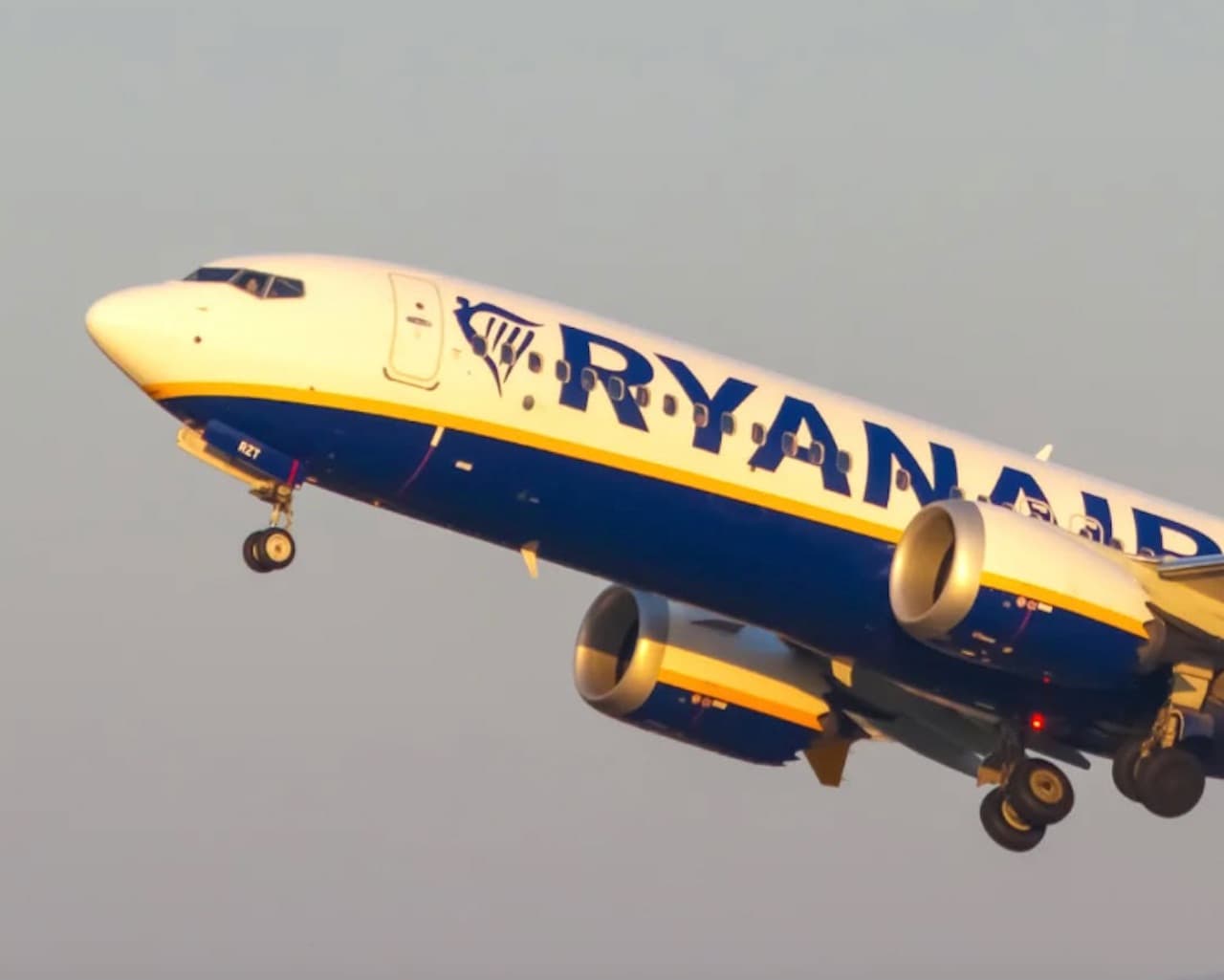
In a significant ruling for the aviation industry, the General Court of the European Union has rejected Ryanair's legal challenge against Italy's state aid package for airlines affected by the Covid-19 pandemic. The decision, delivered in early July 2026, confirms that the €230 million compensation scheme—initially approved by the European Commission in 2020—did not violate EU competition rules. For ATPL and ATC students, this case offers a real-world example of how state aid regulations interact with national crisis responses, a topic that frequently appears in aviation law and economics modules.
**Background of the Case**
Italy notified the European Commission in autumn 2020 of a plan to compensate airlines for losses caused by travel restrictions during the pandemic. The Commission authorized an initial €130 million package, later increased by €100 million, targeting carriers holding an Italian operating license. This included airlines like Alitalia, Air Dolomiti, Neos, and Blue Panorama. Ryanair, the Irish low-cost carrier, challenged the decision, arguing that the territorial criterion discriminated against non-Italian airlines and distorted competition within the single market. The airline also claimed that the Commission failed to open a formal investigation, despite the significant amounts involved.
**Legal Journey and Final Ruling**
Ryanair initially won a partial victory in May 2023, when the General Court annulled the Commission's decision, citing insufficient reasoning. However, the Commission and Italy appealed, and in 2025, the Court of Justice of the European Union (CJEU) referred the case back for re-examination. In its latest ruling, the General Court upheld the aid, stating that the Italian license requirement was justified because it targeted airlines most directly affected by Italy's national travel restrictions. The court emphasized that the measure was proportionate and non-arbitrary, and did not violate the principles of non-discrimination or freedom to provide services.
**Implications for Aviation Training**
This case is a textbook example for ATPL and ATC students studying EU aviation law. It illustrates how state aid rules balance national crisis management with market integrity, a key theme in the "Air Law" and "Operational Procedures" syllabi. Understanding such rulings helps future pilots and controllers appreciate the regulatory environment that shapes airline operations, route networks, and competitive dynamics. Moreover, it highlights the strategic use of litigation by airlines like Ryanair to challenge perceived unfair advantages, a real-world aspect of airline management that goes beyond flight operations.
**Broader Context**
Ryanair has systematically challenged Covid-19 state aid across Europe, from Germany to the Nordic countries, often with success. For instance, in April 2026, the CJEU confirmed the annulment of Germany's €6 billion recapitalization of Lufthansa. This latest defeat in the Italian case, however, shows that not all challenges succeed, and that courts will defer to Commission assessments when measures are tailored to specific national circumstances. For students, this reinforces the importance of understanding the legal frameworks that govern airline competition and state intervention—knowledge that is increasingly tested in ATPL exams and relevant for ATC professionals managing airspace and airport slots.