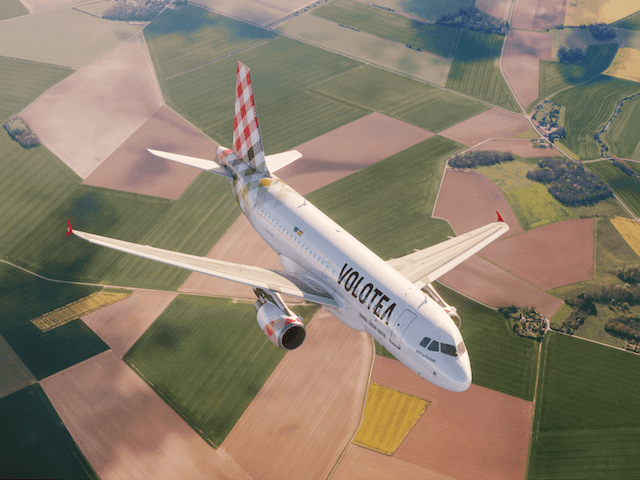
The European Commission has firmly closed the door on airlines adding fuel surcharges retroactively after a ticket has been purchased. In a recent clarification, a Commission spokesperson stated that any such post-purchase price adjustment constitutes an unfair commercial practice under EU law. This ruling directly addresses the practice of some carriers, notably the Spanish low-cost airline Volotea, which had introduced a "Fair Travel Commitment" allowing it to adjust ticket prices based on fuel costs seven days before departure. The Commission emphasized that the price displayed at the time of purchase must be final and inclusive of all costs, including fuel, and that general terms cannot include clauses permitting unilateral price increases after the contract is concluded.
For ATPL and ATC students, this ruling is a critical reminder of the regulatory framework governing air transport. Understanding Regulation (EC) No 1008/2008 on air services is essential for any professional working in European aviation. The regulation mandates full price transparency and prohibits hidden charges, ensuring that passengers are not surprised by additional fees after booking. This principle is fundamental to consumer protection in aviation and is a key topic in ATPL exams on air law. Moreover, the distinction between "air-only" tickets and package holidays is important: for package holidays, a limited adjustment of up to 8% is allowed, provided the traveler is informed at least 20 days before departure. This nuance highlights the complexity of aviation regulation and the need for precise knowledge of different contractual frameworks.
In parallel, the Commission has addressed the issue of fuel shortages. It considers that a local shortage of jet fuel at an airport may qualify as an "extraordinary circumstance" under Regulation (EC) No 261/2004, thereby exempting airlines from paying fixed compensation of €250 to €600 for flight cancellations. However, the right to a full refund remains intact. This is particularly relevant for ATC students, who must understand how NOTAMs (Notices to Airmen) can serve as evidence of such shortages. The Commission noted that while the overall fuel situation remains stable, the geopolitical context could lead to localized disruptions. For pilots and controllers, knowing the legal implications of fuel shortages is crucial for operational decision-making and passenger communication.
This development underscores the importance of staying updated on regulatory changes. For ATPL candidates, it reinforces the need to study air law thoroughly, especially the interplay between different EU regulations. For ATC trainees, it highlights how external factors like fuel supply can affect flight operations and passenger rights. The Volotea case serves as a practical example of how regulatory bodies can intervene to protect consumers, and it may set a precedent for future cases. As aviation professionals, understanding these rules is not just about passing exams—it is about ensuring compliance and maintaining trust with passengers.
In summary, the EU's stance on retroactive fuel surcharges and extraordinary circumstances provides clear guidance for airlines and passengers alike. For those training to become pilots or controllers, this is a valuable lesson in the legal and operational realities of modern aviation. The ability to navigate such regulations is a key competency that will serve students well in their careers, whether they are managing flight planning, handling passenger complaints, or ensuring operational resilience in the face of fuel supply challenges.