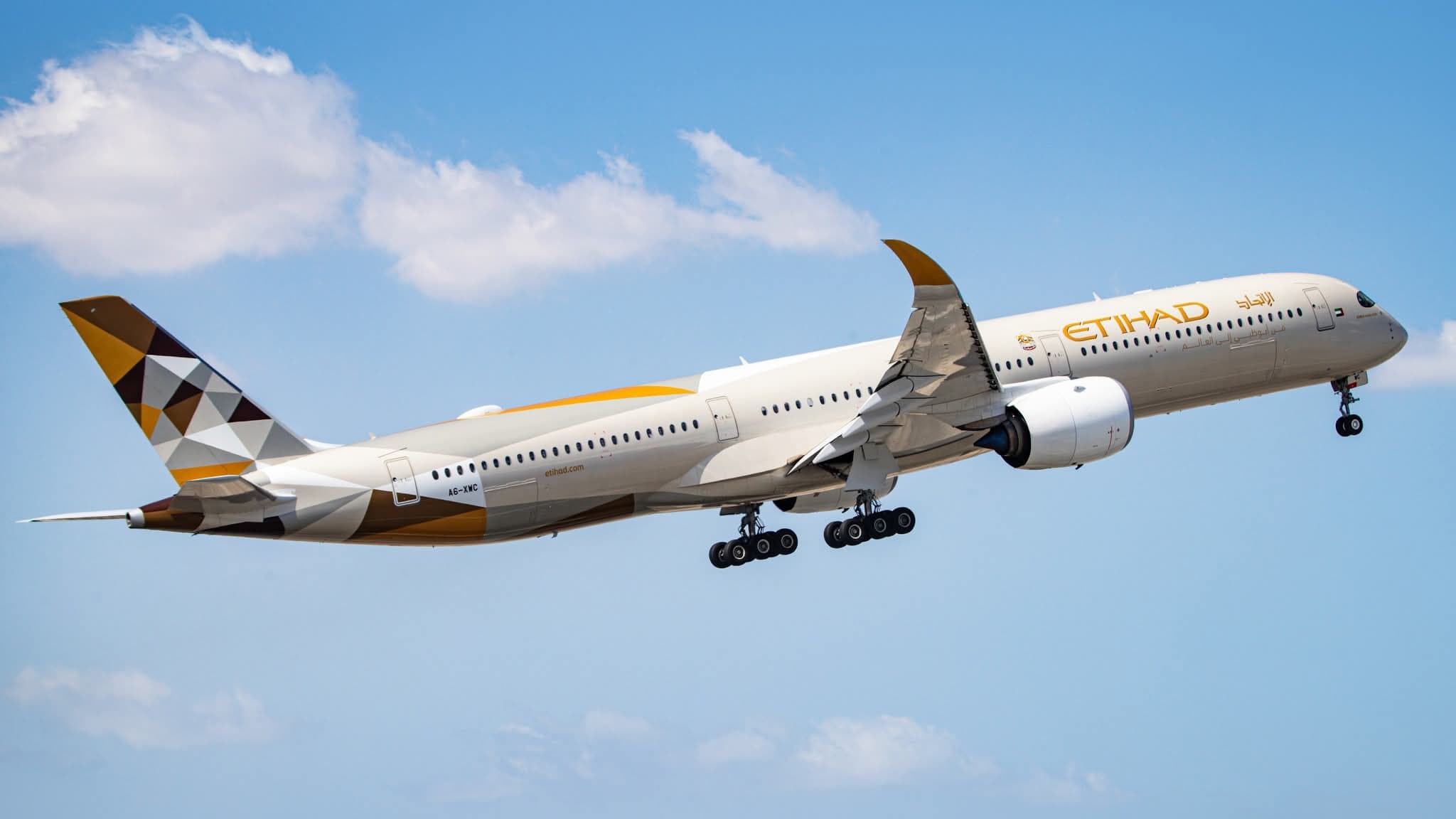
Etihad Airways, the national carrier of the United Arab Emirates, has announced the resumption of direct flights between Abu Dhabi (AUH) and Tashkent (TAS) starting August 17, 2026. The route will operate six times weekly using next-generation Airbus A320 and A321 aircraft, specifically the A320-232/251N and A321-231/251NX variants, which are well-suited for the approximately four-hour medium-haul journey. This revival is authorized under the 1998 bilateral air services agreement between Uzbekistan and the UAE, with permits granted by Uzbekistan's Civil Aviation Agency (Uzaviation). The decision reflects a broader trend of Gulf carriers strengthening their presence in Central Asia, positioning hubs like Abu Dhabi as critical transit points between Europe, Asia, and beyond.
For aviation professionals, this route expansion underscores the strategic importance of hub-and-spoke networks in modern airline operations. Etihad's Abu Dhabi hub serves over 70 international destinations, including major markets such as London, Paris, Frankfurt, Singapore, Sydney, and New York. By adding Tashkent to its network, Etihad enhances connectivity for Uzbek passengers, offering streamlined transfers and reducing reliance on multi-stop itineraries through other regional hubs. This move is part of a larger pattern where Gulf carriers leverage their geographic advantages to capture growing traffic flows between continents, influencing global route planning and competitive dynamics.
From an industry perspective, the resumption highlights several key trends relevant to ATPL and ATC students. First, it demonstrates how bilateral agreements and regulatory frameworks shape airline route development—knowledge essential for understanding international aviation operations. Second, the use of next-generation A320/A321 aircraft emphasizes the industry's focus on fuel efficiency and cabin modernization, even on medium-haul routes. Etihad plans to offer upgraded cabins with enhanced connectivity, aligning its medium-haul service with long-haul standards to ensure a seamless passenger experience. This reflects a broader industry shift toward product consistency across network segments.
For ATPL students, this news illustrates practical aspects of airline strategy, including fleet deployment, hub optimization, and market analysis. Understanding how carriers like Etihad assess demand, negotiate bilateral rights, and integrate new routes into existing networks is crucial for future pilots involved in operational planning or management roles. For ATC students, the increased frequency to six weekly flights adds complexity to air traffic management at both Tashkent and Abu Dhabi airports, requiring familiarity with scheduling impacts, slot coordination, and international flight handling procedures.
In summary, Etihad's return to Tashkent is more than just a route announcement—it's a case study in global aviation dynamics. As Central Asia's air travel market grows, Gulf hubs are poised to play a pivotal role in shaping connectivity. Aviation trainees should monitor such developments to grasp how geopolitical, economic, and operational factors converge to drive airline decisions, ultimately affecting everything from flight training curricula to real-world air traffic scenarios.