**Emirates cautiously optimistic on 777X, but engine durability remains a sticking point**
Emirates President Tim Clark has expressed cautious optimism about receiving the first Boeing 777X by mid-2027, while simultaneously escalating pressure on Rolls-Royce over the durability of the Trent XWB-97 engine that powers the Airbus A350-1000. Speaking at a Berlin industry conference, Clark stated that Emirates “expects to receive its first 777X in May or June next year,” aligning with the widely anticipated 2026-2027 entry into service for the 777-9. However, he acknowledged that “everything could go wrong… but everything is fine,” reflecting the lingering uncertainty around Boeing’s certification timeline, which has been delayed repeatedly since the original 2020 target due to heightened FAA scrutiny following the 737 MAX crises.
**Emirates’ strategic dependence on large widebodies**
As the world’s largest buyer of widebody aircraft, Emirates is uniquely sensitive to delivery delays. Its hub-and-spoke model at Dubai relies on high-capacity aircraft like the A380 and 777 to serve long-haul routes to Europe, Asia, and the Americas. With a massive order book including 787s, A350-900s, and 777Xs, any slippage forces the airline to extend the life of older 777-300ERs or reconfigure existing fleets. Clark’s public doubts about Boeing’s ability to meet its own schedule highlight the broader industry challenge of certification bottlenecks and supply chain constraints. For ATPL students, this case illustrates how fleet planning directly impacts route profitability and operational resilience.
**The Trent XWB-97 durability debate**
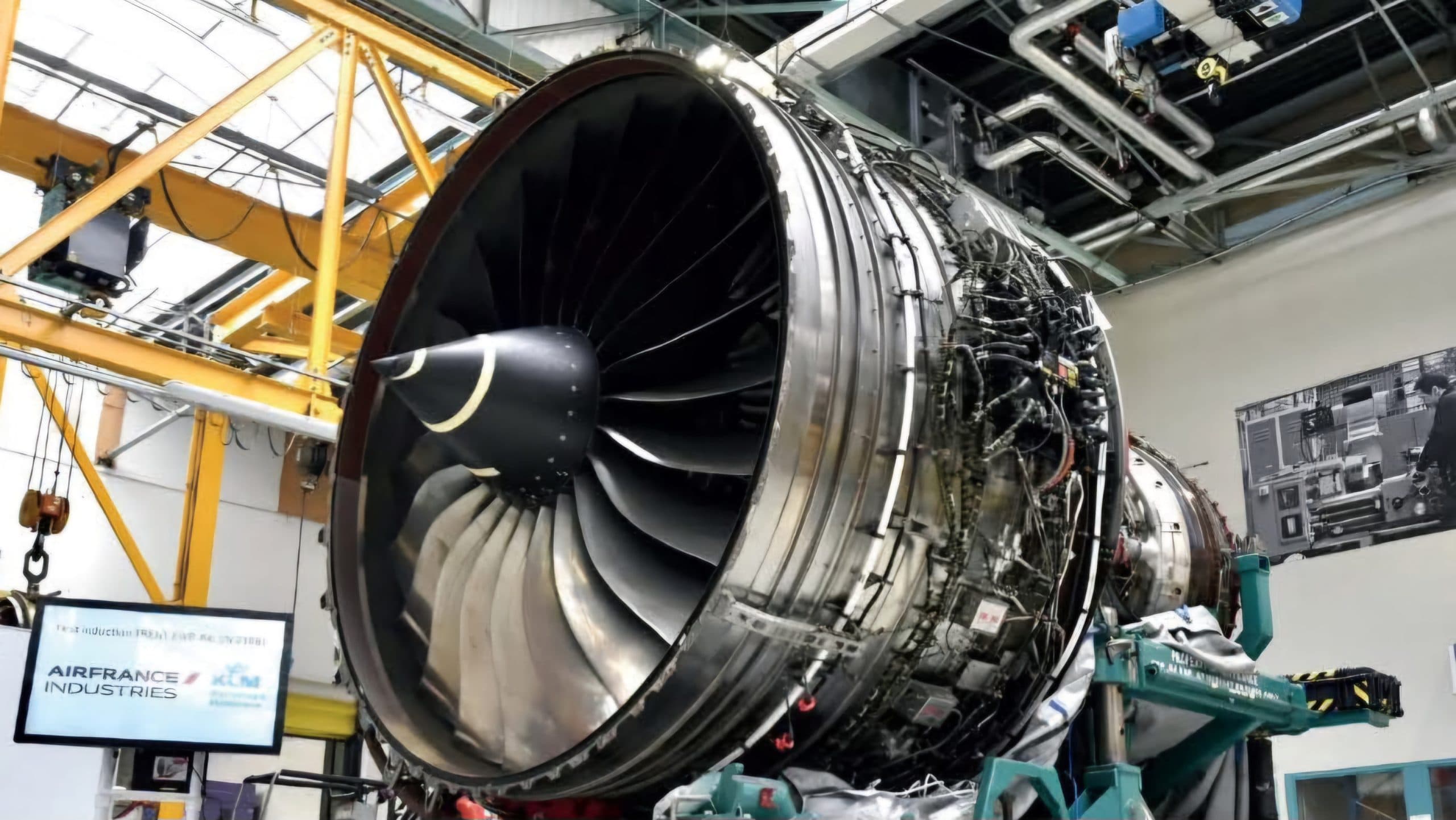
On the engine front, Clark reiterated his refusal to order the A350-1000 until Rolls-Royce provides credible evidence that the Trent XWB-97 can withstand the extreme heat and sand of Gulf operations. “The story of the XWB-97 is always the same,” he said, noting accelerated wear and shorter on-wing times reported by operators in hot, dusty environments. Rolls-Royce acknowledges these challenges and has launched a technology upgrade program aimed at “doubling the durability of the Trent XWB-97 in hot and dusty environments” and achieving a 50% improvement in milder conditions. The upgrades include new thermal barrier coatings, optimized hot-section components, and improved temperature management, with on-wing life extensions of up to 30% for certain parts. The company is also expanding its MRO capacity by 2030 to accelerate retrofit integration.
**Industry-wide tensions between airlines and engine makers**
This dispute is part of a broader conflict: IATA has publicly accused engine manufacturers of “racketeering” through high spare parts prices and maintenance contracts, while reliability issues with next-generation engines have grounded fleets. Engine makers counter that they have borne significant financial risk to meet fuel efficiency demands, and point to supply chain bottlenecks as a cause for delays. The controversy over Rolls-Royce CEO Tufan Erginbilgic’s compensation package, which Clark publicly criticized, adds a symbolic layer to the tension. For ATC students, understanding these dynamics is crucial because engine reliability directly affects flight scheduling, diversion planning, and airspace capacity management.
**What this means for ATPL and ATC students**
This news is a real-world lesson in the interdependence of aircraft certification, engine technology, and airline strategy. ATPL candidates should grasp how powerplant durability in harsh environments influences fleet composition and route economics. ATC trainees should recognize that engine-related technical delays can cascade into slot allocation and airspace congestion, especially at major hubs like Dubai. The 777X and A350-1000 represent the next generation of long-haul aircraft, and their success hinges on resolving these engineering and commercial challenges.