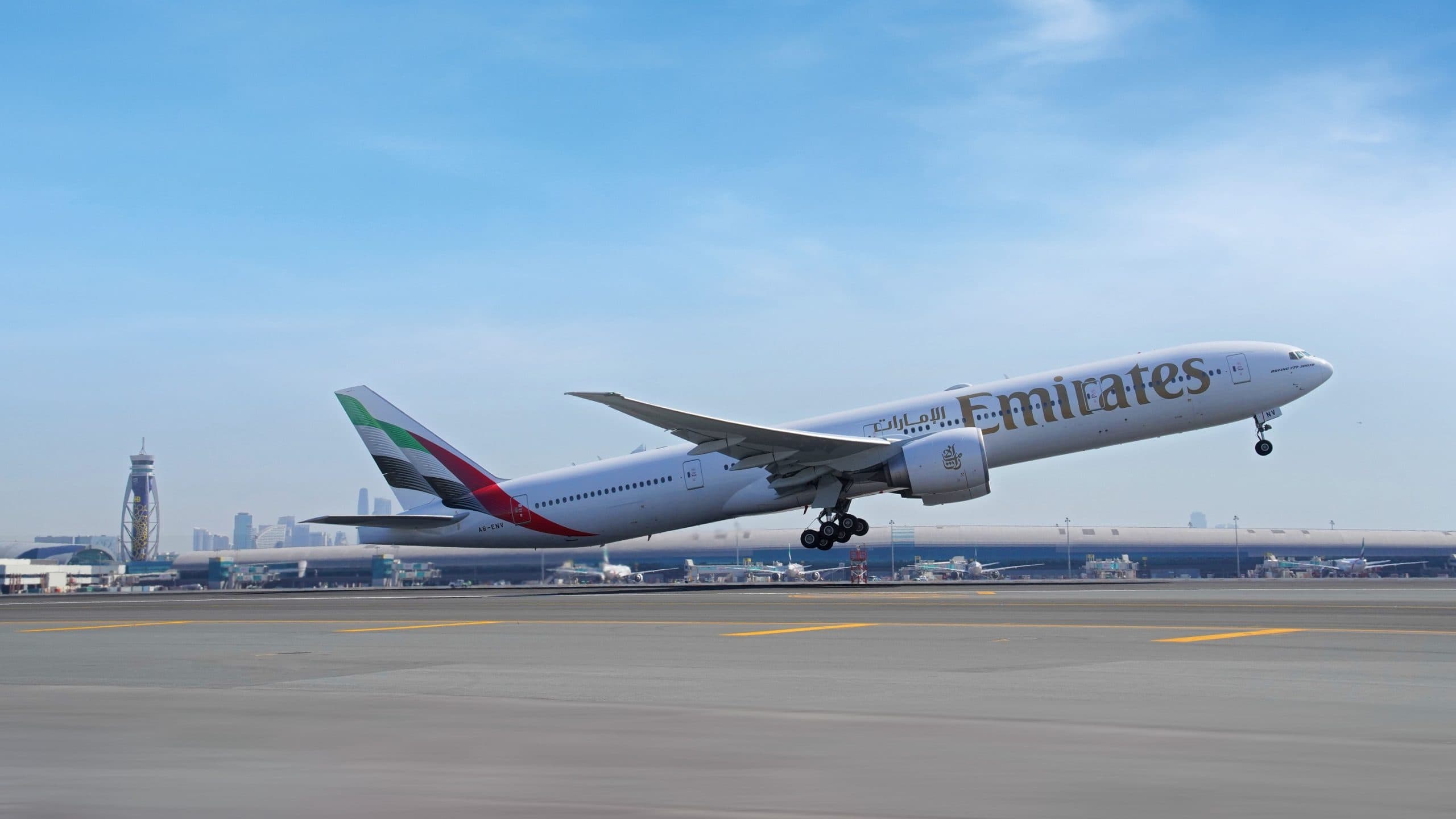
Emirates has announced the restoration of 96% of its global network, marking a near-complete return to operations with 137 destinations served from Dubai and capacity at 75% of pre-crisis levels. This recovery follows two months of severe disruptions caused by tensions in the Middle East, which led to flight cancellations, diversions, and frequency reductions on long-haul routes. The airline now operates over 1,300 weekly frequencies across 72 countries, covering the Americas, Europe, Africa, West Asia, Australasia, and the Gulf region.
For aviation students, this case study is invaluable. It demonstrates how a major hub carrier manages network recovery after airspace closures and geopolitical shocks. Emirates' strategy involves gradually reopening routes and adding frequencies on key axes, constrained by overflight permissions and fleet availability (A380 and B777). The airline transported 4.7 million passengers between March 1 and April 30 despite a reduced schedule, highlighting the resilience of demand and the importance of hub connectivity.
Emirates emphasizes Dubai's role as a global intercontinental hub, "reconnecting the world via Dubai." The airline's network spans major traffic-generating regions: Europe, the Indian subcontinent, Southeast Asia, Oceania, Africa, and the Americas. From an operational perspective, reaching 75% of pre-crisis capacity means that the ramp-up is driven both by route reopenings and by increasing frequencies on key routes, depending on overflight constraints and aircraft availability. The airline has also been reactivating additional A380s on European and Asian routes to maximize capacity through Dubai as transfer traffic rebounds.
Onboard, Emirates maintains its premium long-haul product: regionally inspired menus, award-winning chefs, a wide selection of premium beverages, and the ice entertainment system with over 6,500 channels in nearly 40 languages. The airline is also rolling out Starlink high-speed Wi-Fi on 28 aircraft, offering "ultra-fast and reliable" internet at 40,000 feet. This technology addresses growing passenger expectations for connectivity, especially on long-haul flights.
To support demand recovery, Emirates introduced flexible booking conditions from April 2: free date changes regardless of cabin class, and the ability to hold a fare for 24 hours without payment. The "Dubai Connect" program offers complimentary 4- or 5-star hotel accommodation, transfers, meals, and visa assistance for transit passengers with layovers between 6 and 26 hours. Additionally, the Skywards loyalty program is running a temporary promotion from May 8 to August 31, 2026, with reduced qualification thresholds and bonus Tier Miles to help members reach Silver, Gold, or Platinum status faster. These measures aim to secure frequent flyer loyalty, crucial for the profitability of a hub-and-spoke model.