**Emirates Rejects First 777X Batch – A Lesson in Programme Delays**
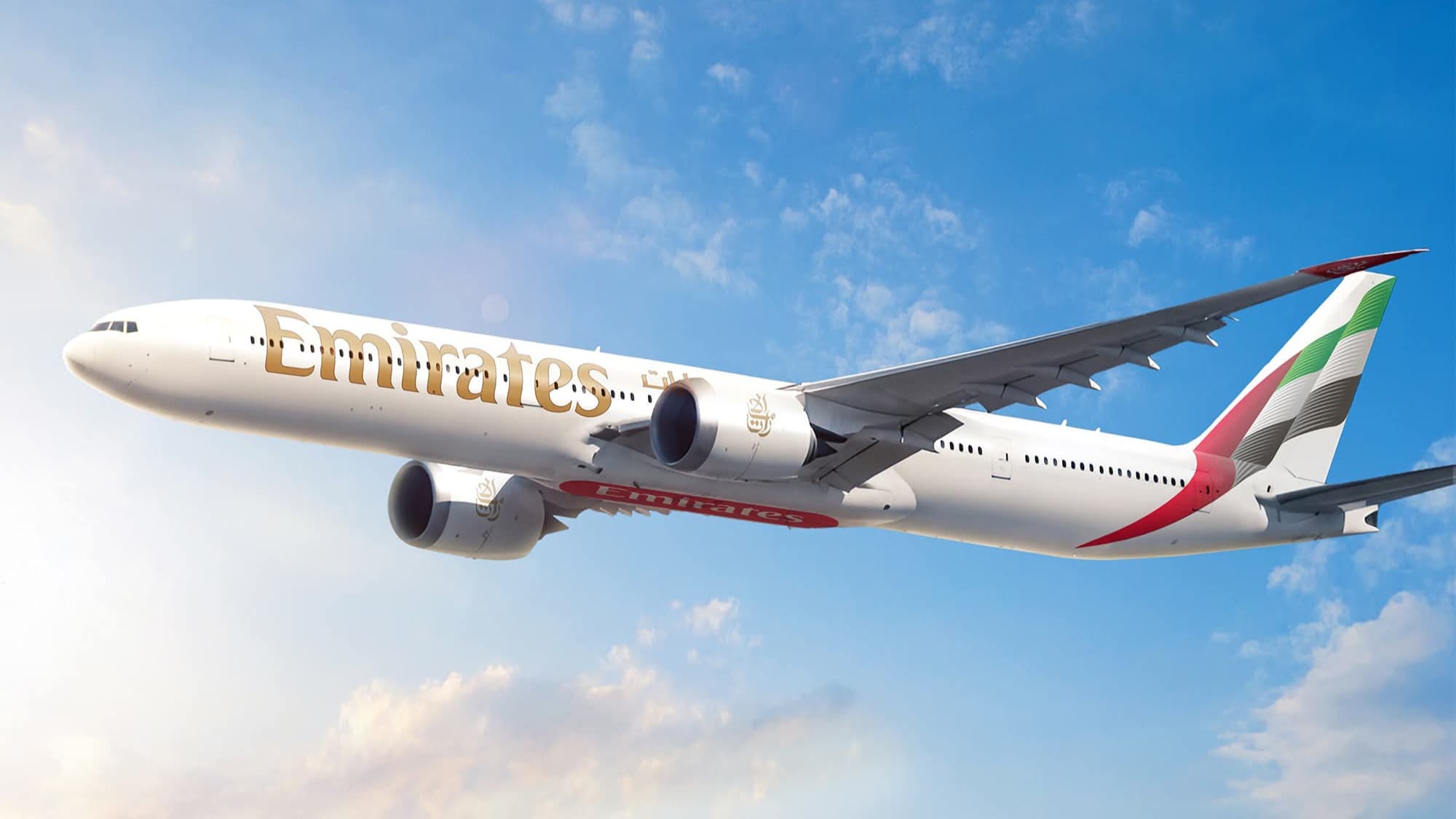
At the Farnborough Airshow, Emirates President Tim Clark made headlines by rejecting the first ten Boeing 777-9 aircraft from the 777X programme. In a sharp remark, he suggested the planes could be turned into Heinz baked bean cans rather than delivered to his airline. This is not just a colourful quote — it reflects a deep frustration with a programme that has been delayed by six years and is now costing Boeing over $15 billion in development expenses.
**Why This Matters for ATPL and ATC Students**
For future airline transport pilots and air traffic controllers, this story is a real-world case study in how certification delays and production issues affect fleet planning and operations. The 777X was originally expected to enter service in 2020. Now, Emirates expects its first delivery in the second quarter of 2027 — and even that timeline is described as optimistic. This means pilots training on current 777-300ERs will need to adapt to a new cockpit and systems when the 777X finally arrives. Controllers will see a new type in the sky with different performance characteristics, including a folding wingtip design that may affect taxi and gate operations.
**Technical and Operational Implications**
The rejected aircraft were built early in the programme, some as early as 2019. According to reports, one airframe (A6-EZT) was assembled for Emirates but never delivered. Boeing may have even dismantled it after deciding the modifications needed to bring it to the final certification standard were too costly. This highlights a key point for aviation students: aircraft certification is not a one-time event. As regulations evolve and production continues, early-build aircraft may require significant rework to meet the latest standards. This affects maintenance planning, spare parts logistics, and crew training.
**Broader Industry Impact**
Emirates is the largest 777X customer with 270 orders, but other airlines like Lufthansa, Qatar Airways, and Singapore Airlines are also waiting. The delays force airlines to keep older 777-300ERs in service longer, which affects pilot recruitment, simulator demand, and route planning. For ATC students, understanding the ripple effects of programme delays is crucial: they influence traffic flows, slot coordination, and even noise abatement procedures as older aircraft may have different noise profiles.
**Conclusion**
The 777X saga is a textbook example of how industrial and regulatory challenges shape the aviation landscape. For ATPL and ATC students, it underscores the importance of staying current with certification news and understanding that the aircraft they train on today may be very different from the ones they fly or control tomorrow.