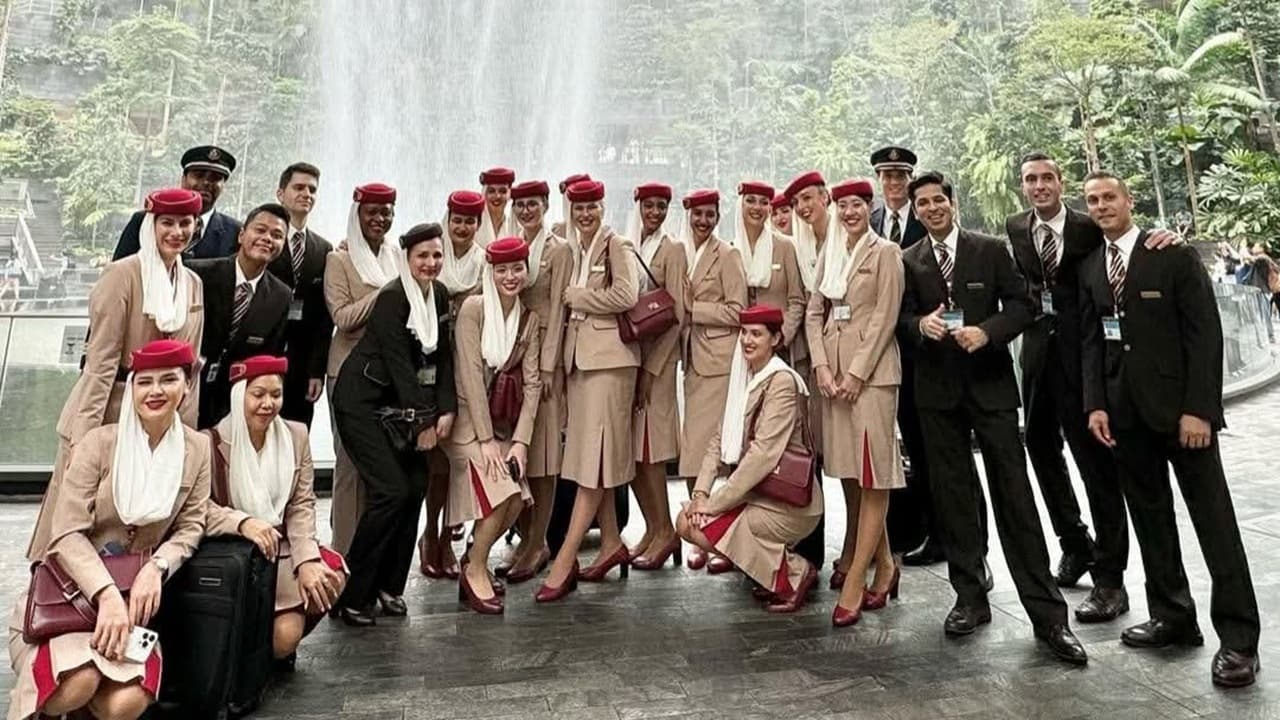
Emirates is launching a new recruitment campaign in France this July, with open days in Marseille, Paris, Bordeaux, Lyon, and Toulouse. The airline is looking for passionate and motivated individuals to join its cabin crew, offering a comprehensive training program at its Dubai facility covering safety, emergency procedures, service, and first aid. For ATPL and ATC students, this recruitment drive is more than just a job opportunity—it's a window into how a major international carrier structures its workforce, manages fatigue, and balances operational demands with employee retention.
The pay structure is a key attraction. New Economy Class crew (Grade II) receive a base salary of 4,835–4,980 AED (about $1,316–$1,355) plus an hourly flight pay of 66.30–69.60 AED ($18–$19) for 80–100 flight hours per month. Total monthly compensation averages around 10,802 AED ($2,940–$3,100), tax-free in Dubai. With experience, supervisors and business/first class crew can earn 15,000–22,000 AED ($4,000–$6,000) per month, plus an annual profit share that recently reached 20 weeks of base salary for 131,000 employees. This variable-heavy model means earnings fluctuate with flight hours and layovers—a reality that future aviation professionals must understand when evaluating career paths.
However, the lifestyle is demanding. Crew work 80–100 flight hours monthly, with frequent time zone changes, night shifts, weekends, and holidays on duty. Schedules are published shortly before the month begins, making personal planning difficult. The combination of fatigue from cabin pressure, standing work, and premium service often leads to burnout after two to five years. Many view the role as a springboard for travel and experience rather than a lifelong career. This high turnover is by design: Emirates relies on a largely expatriate workforce from over 100 nationalities, with mobility and adaptability built into the model.
For ATPL students, this recruitment campaign illustrates critical concepts in crew resource management (CRM), fatigue risk management, and airline economics. Understanding why Emirates offers such generous benefits—and why turnover remains high—sheds light on the trade-offs between operational efficiency, employee well-being, and cost control. ATC students can learn how crew scheduling and duty time regulations impact air traffic flow, especially during peak seasons. The open days also highlight the importance of English proficiency and cultural adaptability in global aviation.
In summary, Emirates' recruitment in France is a case study in modern airline staffing. For those training to become pilots or controllers, it offers valuable lessons in human factors, regulatory compliance, and the realities of a career in aviation. Whether you're considering a cabin crew position or aiming for the flight deck, understanding this model helps you make informed decisions about your future.