**A Historic First for Emirati Women in the Cockpit**
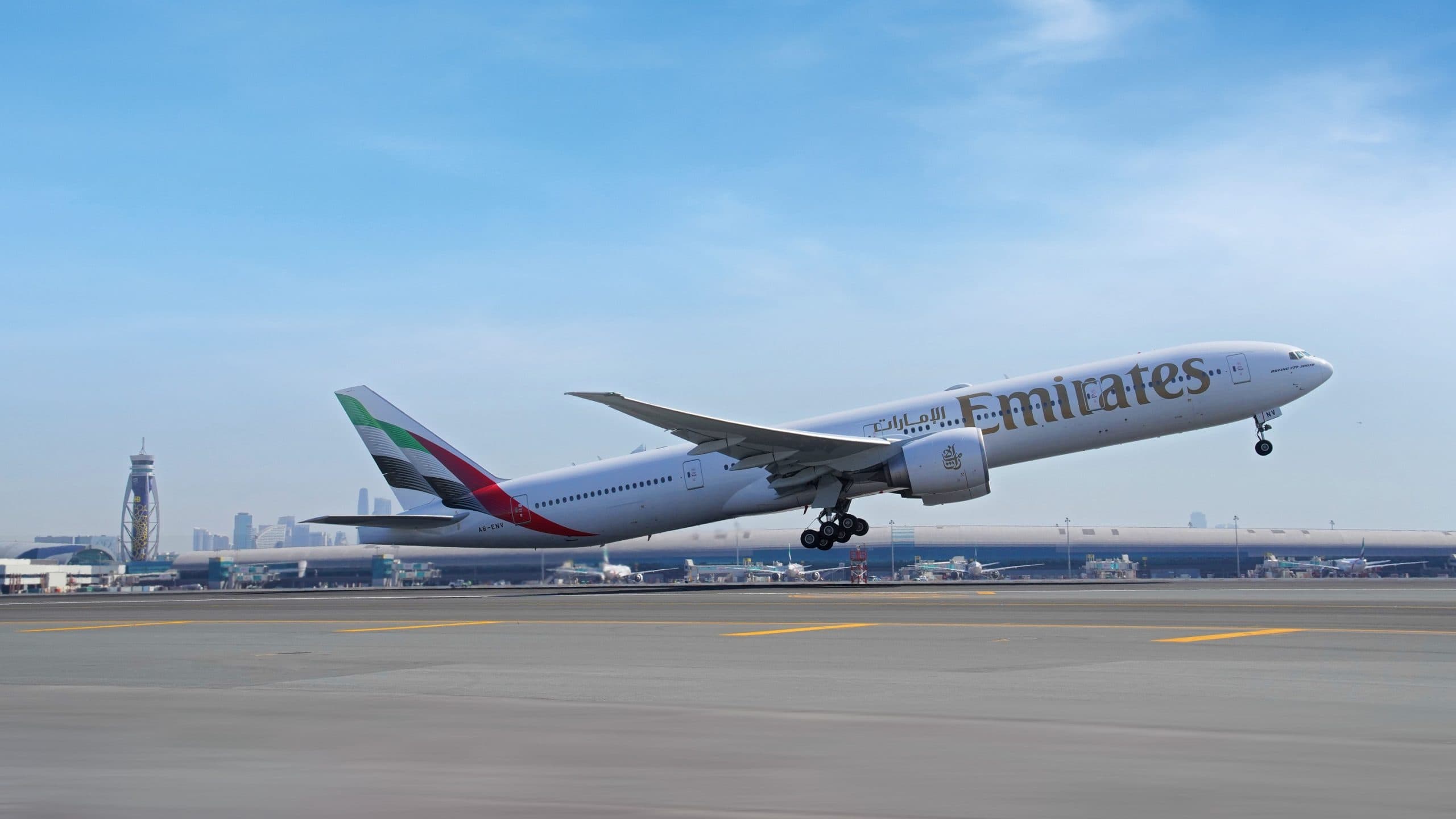
On June 4, 2026, Emirates announced the promotion of Hanan Mohammed Jawad and Bakhita Al Mheiri to the rank of captain, making them the first Emirati women to hold this position at the Dubai-based carrier. Both pilots fly the Boeing 777, the backbone of Emirates' long-haul fleet, which includes over 140 aircraft. Their achievement is a significant step in the airline's strategy to diversify its cockpit crews and develop local talent.
**The National Cadet Pilot Program: A Pathway to Command**
Both captains are products of Emirates' National Cadet Pilot Program, a strategic initiative designed to train Emirati pilots from the very start of their careers. Captain Hassan Alhammadi, Senior Vice President of Flight Operations at Emirates, emphasized the program's role: "The cadet program remains essential for providing young women and men with a pathway to becoming airline pilots at Emirates, while meeting our future crew needs." This program has already enabled many Emirati pilots to reach command, instructor, or management positions within Emirates and across the UAE aviation sector.
**Global Context: Women in Aviation**
Worldwide, women represent only about 5–6% of airline pilots, according to the International Society of Women Airline Pilots (ISWAP). Emirates' move is part of a broader effort to increase female representation in the cockpit, particularly among Emirati nationals. Captain Alhammadi noted that this success "reflects years of dedication, professionalism, and hard work, while illustrating the company's ability to support national talent up to the highest levels of responsibility."
**The Captains' Perspectives: 'This Is Just the Beginning'**
Both pilots shared their thoughts on the promotion. Hanan Mohammed Jawad described it as "a milestone I am proud of," but stressed it is not an endpoint. Bakhita Al Mheiri added, "This is just the beginning. I don't think the sky is a limit. The path to command is built over time, and my years as a first officer prepared me for this moment." She also highlighted the importance of mentorship: "One of the most important lessons I've learned is the importance of passing on knowledge and experience. I hope to support younger generations as they start their careers."
**Strategic Implications for Emirates and the UAE**
Beyond its symbolic value, this announcement aligns with the UAE's broader strategy to increase national participation in key sectors, including aviation. It also comes at a time of strong global demand for pilots, driven by post-COVID recovery and growth in long-haul traffic. For Emirates, which operates one of the world's largest widebody fleets (Boeing 777 and Airbus A380), securing a pipeline of pilots is a major operational priority. Developing local talent—including women—is a long-term strategic lever.
**What This Means for ATPL and ATC Students**
For aspiring ATPL pilots, this news underscores the value of structured cadet programs as a direct route to command. It also highlights that diversity initiatives are creating new opportunities in traditionally male-dominated roles. ATC students should note that such programs can influence traffic patterns, as more pilots from diverse backgrounds enter the system, potentially affecting communication dynamics and operational procedures.