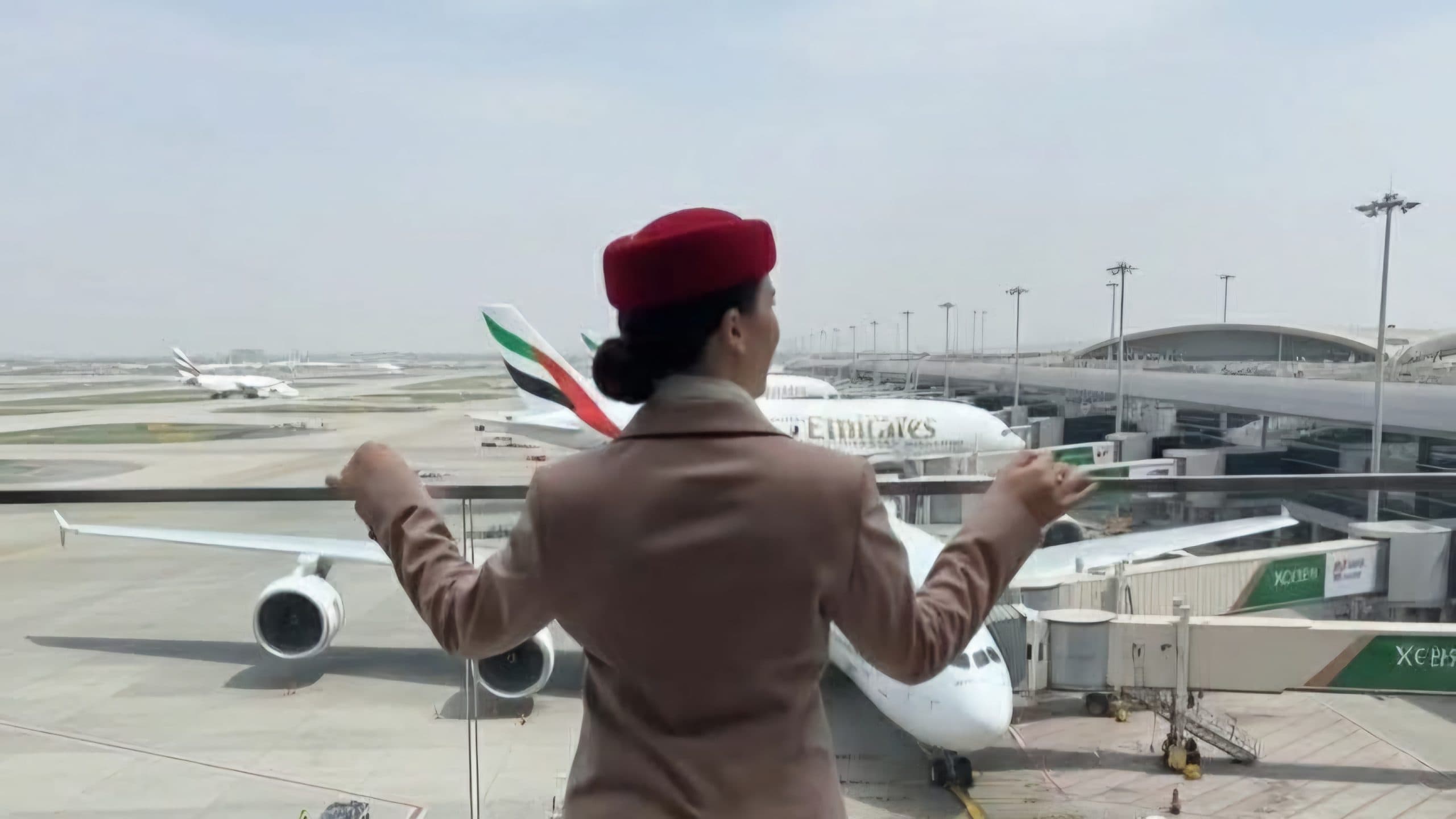
Emirates has unveiled a groundbreaking travel insurance product that it claims is the first in the airline industry to offer coverage for incidents related to armed conflicts. The initiative, branded as "Comprehensive Travel Cover," is designed to address growing passenger concerns about geopolitical instability and travel disruptions.
The policy includes unlimited worldwide medical expenses and emergency evacuation, trip cancellation compensation, baggage delay or loss reimbursement, and up to $25,000 for conflict-related incidents. Notably, the coverage is not tied to government travel advisories, a significant departure from standard insurance policies that often exclude high-risk destinations. Passengers also benefit from free re-routing to their final destination, even if flights are cancelled due to conflict or involve connections with other carriers. In case of major disruptions like airspace closures, Emirates will cover hotel accommodation and provide extended on-site assistance.
Sir Tim Clark, President of Emirates Airline, stated that the product was developed in response to customer feedback highlighting a gap in insurance coverage. "We listened to our customers and saw that demand for travel remained strong, but there was a lack of adequate insurance. We acted to fill that need," he said. The policy is offered in partnership with Travel Guard, a subsidiary of AIG and a global leader in travel insurance.
This launch comes at a time when airlines face recurring disruptions from conflicts in Ukraine and the Middle East, leading to airspace closures, route diversions, and increased operational costs. For Emirates, offering such comprehensive protection is a competitive advantage that reinforces its "fly better" customer experience strategy. The insurance can be purchased during booking or added later via the "Manage Booking" section on Emirates' website, at an undisclosed "accessible" price.
For ATPL and ATC students, this development highlights the growing importance of risk management and contingency planning in aviation operations. Understanding how airlines handle passenger protection during geopolitical crises is essential for future pilots and controllers who may need to coordinate diversions or manage irregular operations. It also underscores the evolving role of airlines in ensuring passenger safety beyond the flight itself.