**Industry Shift Toward LEO Connectivity**
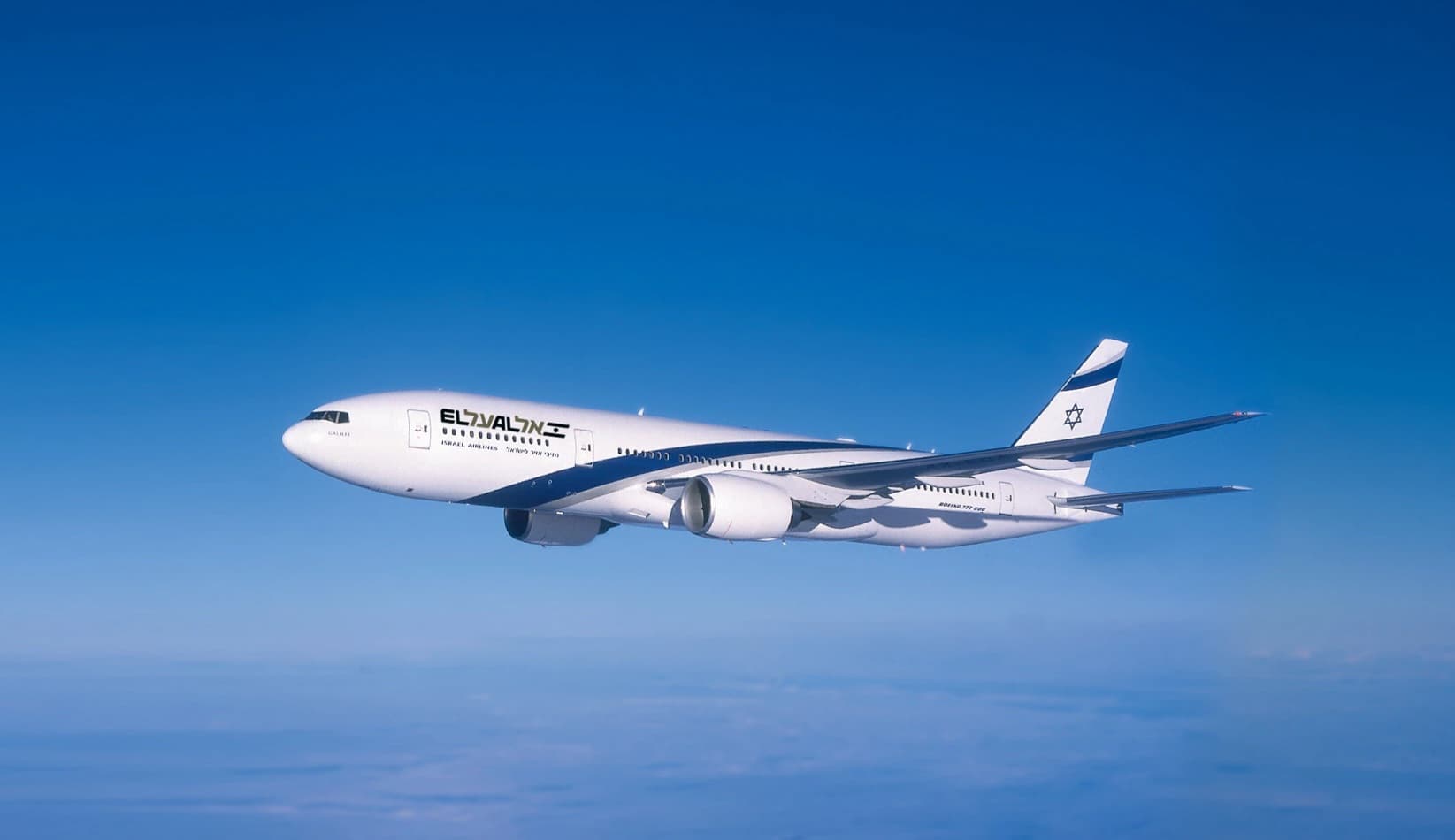
El Al Airlines has announced a partnership with Starlink, the satellite constellation operated by SpaceX, to equip its entire fleet with free high-speed internet access starting in 2027. The service, which will be rolled out gradually from early 2027, promises passengers a seamless online experience comparable to home broadband, including streaming, video calls, and remote work capabilities. This move is part of a broader industry trend away from traditional geostationary satellite systems (like Viasat's Ka-band) toward Low Earth Orbit (LEO) constellations, which offer lower latency and higher bandwidth.
**Why This Matters for ATPL and ATC Students**
For future pilots and air traffic controllers, this development is more than just a passenger amenity. Inflight connectivity is increasingly integrated into aircraft systems, from real-time weather updates and electronic flight bags (EFBs) to cockpit communications and maintenance data streaming. Understanding the technical differences between LEO and geostationary satellites, as well as the operational implications of high-bandwidth links, is becoming essential knowledge for ATPL candidates. ATC trainees, too, must grasp how enhanced connectivity affects air-ground communications and data sharing, especially in oceanic and remote airspace where traditional VHF/HF radio has limitations.
**Technical Context: From Viasat to Starlink**
El Al previously relied on Viasat's Ka-band solution for its Boeing 787 and 737 fleets, offering tiered paid plans. The switch to Starlink underscores the aviation industry's growing preference for LEO networks, which can support hundreds of simultaneous users even on long-haul flights. For students, this case illustrates a real-world example of how satellite technology evolves and how airlines balance cost, performance, and passenger expectations. It also highlights the importance of staying current with technological trends, as future aircraft designs (e.g., Airbus A350, Boeing 777X) will likely integrate LEO connectivity as standard.
**Broader Implications for Aviation Training**
As connectivity becomes ubiquitous, training curricula must adapt. ATPL modules on communications and navigation already cover satellite-based systems like SATCOM and ADS-C. The El Al-Starlink deal reinforces the need to understand LEO constellations, which are also used for global ATC surveillance (e.g., Aireon) and future air traffic management concepts. For ATC students, this means preparing for a world where pilots and controllers exchange more data than voice, and where real-time information sharing improves safety and efficiency. MyATPS encourages learners to explore how such partnerships influence operational procedures, regulatory frameworks (e.g., EASA, FAA approvals for inflight Wi-Fi), and the passenger experience—all key topics for the ATPL and ATC exams.
**Conclusion**
El Al's commitment to free Starlink Wi-Fi by 2027 is a milestone in aviation connectivity. For aviation students, it serves as a practical case study in technology adoption, operational impact, and industry trends. By understanding the shift from Ka-band to LEO, future professionals will be better equipped to handle the connected aircraft of tomorrow.