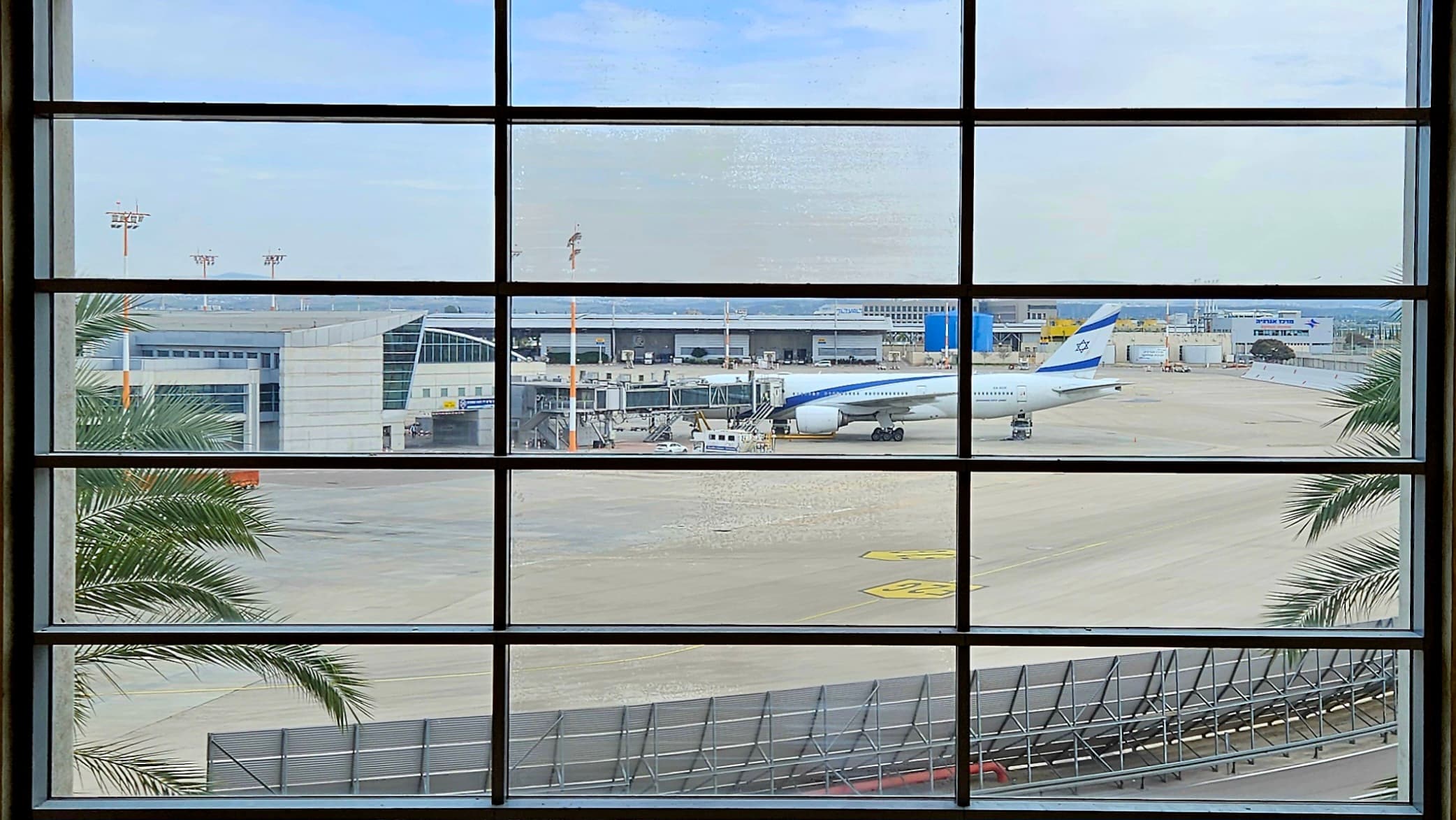
**El Al's Financial Turbulence: A Case Study for Aviation Students**
El Al Israel Airlines has reported its first quarterly loss in three years, posting a net loss of $67 million for the first quarter of 2026, compared to a net profit of approximately $96 million in the same period last year. The dramatic reversal is attributed to the escalating conflict between the United States, Israel, and Iran, which led to the temporary closure of Israeli airspace from February 28, 2026. For ATPL and ATC students, this situation offers a real-world example of how geopolitical events can disrupt air traffic management, force rerouting, and impact airline economics.
**Operational Impact and Cost Surge**
The closure of Israeli airspace for 40 days caused an estimated $145 million in losses for El Al. During this period, the airline had to cancel numerous flights, reroute aircraft around conflict zones, and absorb higher fuel costs due to longer flight times. Revenue dropped 27% to $562 million, down from $774 million a year earlier. Additionally, El Al faced extra costs from cancellations, refunds, and rescheduling, as well as more flexible cancellation policies offered to passengers. For ATC trainees, this highlights the critical role of airspace management during crises and the need for contingency planning to maintain safety and efficiency.
**Market Dynamics and Competitive Advantage**
Despite the financial hit, the conflict temporarily gave El Al a competitive edge. During the airspace restrictions, only Israeli carriers — El Al, Arkia, and Israir — were authorized to operate, while many foreign airlines suspended flights to Tel Aviv. This allowed El Al to maintain high load factors, even as overall traffic declined. For ATPL students, this illustrates how market dynamics can shift rapidly in a crisis, affecting route profitability and fleet utilization. El Al's decision to continue expanding its long-haul fleet, including additional Boeing 787s, signals confidence in a post-conflict recovery.
**Outlook and Lessons for Aviation Professionals**
El Al's management expects a return to profitability by the second quarter of 2026, driven by a full resumption of operations and reduced foreign competition. However, the airline's trajectory remains highly dependent on the regional geopolitical situation. Any new airspace closure or escalation could again disrupt operations. For aviation students, this case underscores the importance of risk management, financial planning, and adaptability in airline operations. Understanding how airlines navigate such crises is essential for future pilots and controllers who will operate in an increasingly interconnected and volatile global airspace.