**A strategic partnership with operational depth**
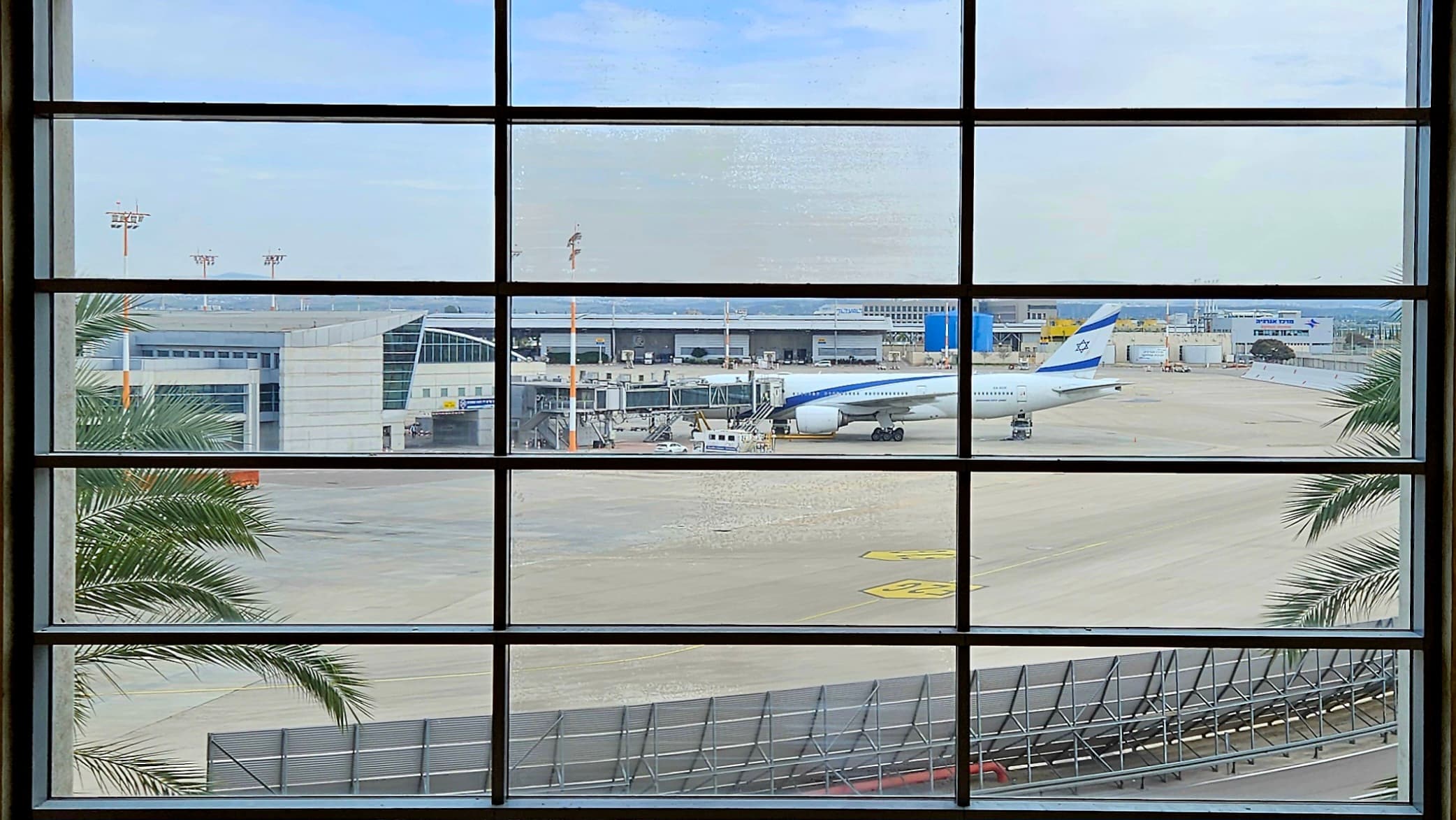
On July 1, 2026, airBaltic and El Al Israel Airlines will launch a codeshare agreement centered on Riga (RIX). For ATPL and ATC students, this is not just a commercial announcement—it is a textbook example of how airlines build networks, manage risk, and comply with evolving safety regulations. The deal allows El Al to place its LY code on airBaltic flights from Riga to Tel Aviv and ten other European cities, including Copenhagen, Helsinki, Oslo, Stockholm, and Vienna. In return, airBaltic will place its BT code on El Al flights from Tel Aviv to seven Western European destinations such as Amsterdam, Frankfurt, and Zurich.
**Why this matters for your training**
Route planning and network strategy are core topics in ATPL syllabus modules on flight planning and airline operations. This codeshare illustrates how carriers extend their reach without adding aircraft or crew—a key concept in commercial aviation economics. For ATC students, the operational coordination behind such agreements (slot alignment, baggage transfer, passenger connections) highlights the importance of seamless airport and airspace management. The partnership also demonstrates how airlines use secondary hubs like Riga to serve niche markets, a strategy that affects traffic flows and airspace demand.
**Safety and regulatory context**
The resumption of airBaltic's direct Riga–Tel Aviv route, suspended since the Gaza conflict, is explicitly tied to EASA recommendations, insurer constraints, and continuous security monitoring. This is a critical lesson for future pilots and ATCs: flight operations into or over conflict zones are never taken lightly. The reference to NOTAMs and internal risk assessments mirrors the real-world decision-making process you will encounter. Understanding how airlines balance commercial opportunity with safety obligations is essential for any aviation professional.
**Broader industry trends**
El Al's strategy of bilateral codeshares rather than joining a global alliance (Star, SkyTeam, Oneworld) reflects a pragmatic approach to network expansion in a high-cost, high-risk environment. For ATPL students, this is a reminder that airline business models vary widely, and that route profitability depends on factors like geopolitical stability, fuel costs, and bilateral agreements. The partnership with airBaltic also shows how smaller carriers can leverage niche hubs to compete with larger network airlines.
**Conclusion**
This codeshare is more than a commercial deal—it is a live case study in airline strategy, risk management, and regulatory compliance. As you prepare for your ATPL or ATC exams, keep an eye on such developments: they bring the theory of your manuals to life.