**A New Direct Link to Africa from the Midlands**
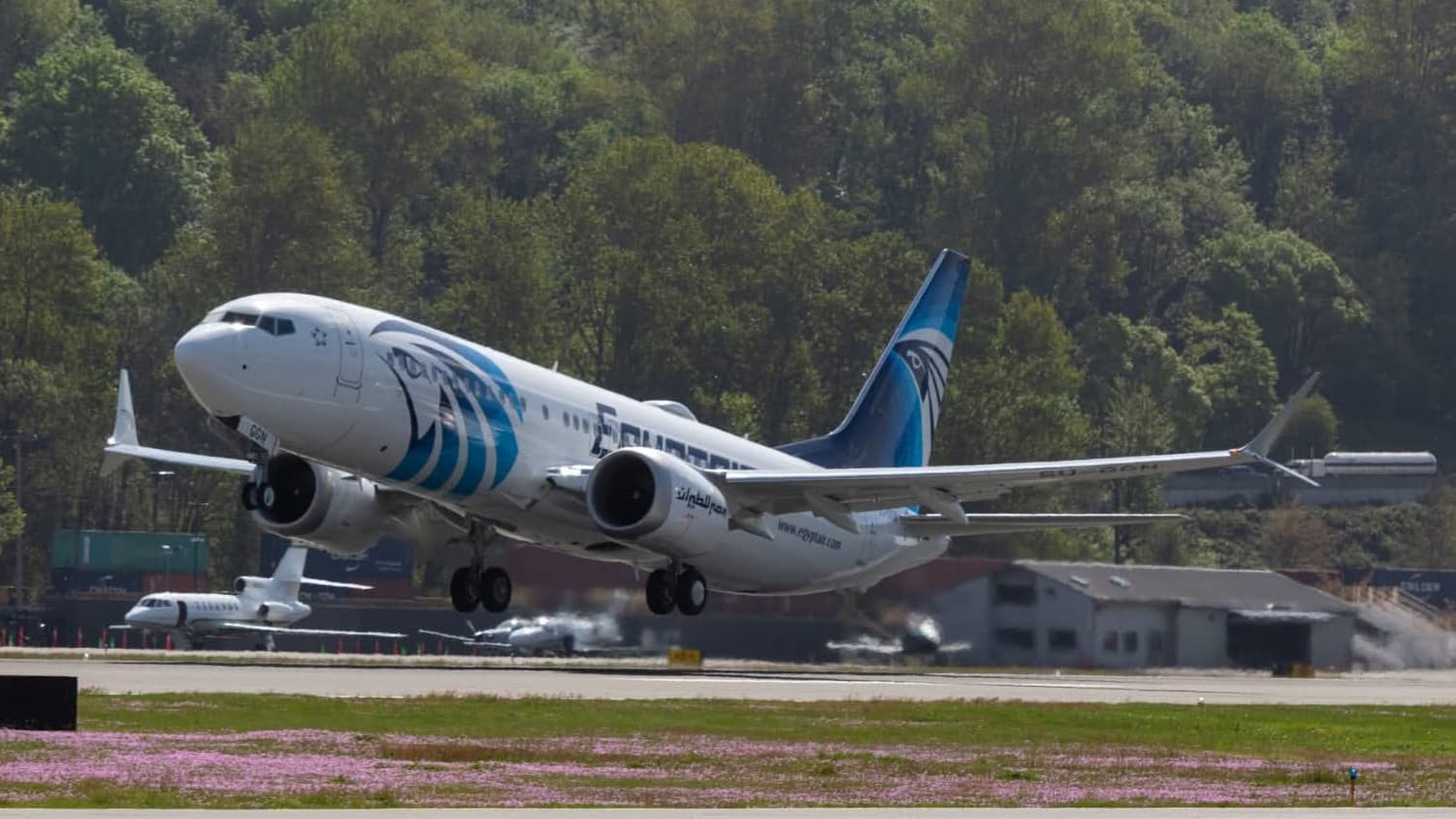
On October 27, 2026, EgyptAir will inaugurate a new regular service between Birmingham Airport (BHX) and Cairo International Airport (CAI), operating four times a week on Tuesdays, Thursdays, Fridays, and Sundays. This will be the first direct connection between Birmingham and the Egyptian capital, complementing existing seasonal flights to Red Sea resorts like Hurghada and Sharm el-Sheikh. The route will be operated by a Boeing 737 MAX 8, a fuel-efficient narrowbody aircraft capable of covering the approximately 3,500 km distance with a range of about 6,500 km, making it ideal for medium-haul routes like this one.
**Why This Matters for Aviation Training**
For ATPL and ATC students, this announcement offers a real-world case study in airline network strategy. EgyptAir, a Star Alliance member, is deliberately bypassing London Heathrow—historically the dominant UK gateway—to tap into the growing demand from regional airports. This reflects a broader trend in the aviation industry: the decentralization of international traffic away from congested hub airports. Understanding such strategic decisions is crucial for future airline managers and dispatchers who must optimize fleet utilization and route profitability. Additionally, the choice of the Boeing 737 MAX 8 highlights the importance of aircraft performance analysis—students should consider factors like payload-range capabilities, fuel efficiency, and operational costs when evaluating new routes.
**Operational and Regulatory Considerations**
From an ATC perspective, the new route will require coordination between UK and Egyptian air traffic control, particularly over European and North African airspace. The flight path likely crosses busy corridors over the Mediterranean, where traffic management and sector capacity are key challenges. For pilots, the route involves planning for diverse weather conditions—from the temperate climate of the UK to the arid heat of Egypt—and understanding NOTAMs related to airspace restrictions or military zones. The Boeing 737 MAX 8 also brings specific training requirements, including MCAS system knowledge and updated emergency procedures, which are now standard in type rating courses.
**A Broader Industry Trend**
Birmingham Airport has been actively expanding its long-haul network, and this partnership with EgyptAir is a testament to the growing importance of regional hubs. For aviation students, this case illustrates how secondary airports can compete with major hubs by offering direct connectivity to underserved markets. It also underscores the role of diaspora and tourism flows in shaping route networks—factors that are often analyzed in airline marketing and revenue management modules.
**Conclusion**
EgyptAir's new Birmingham-Cairo route is more than just a commercial announcement; it is a practical example of the strategic, operational, and regulatory dynamics that define modern aviation. For ATPL and ATC students, studying such developments helps bridge the gap between theoretical knowledge and real-world application, preparing them for careers in an industry that constantly evolves.