**A decade of investigation, a controversial conclusion**
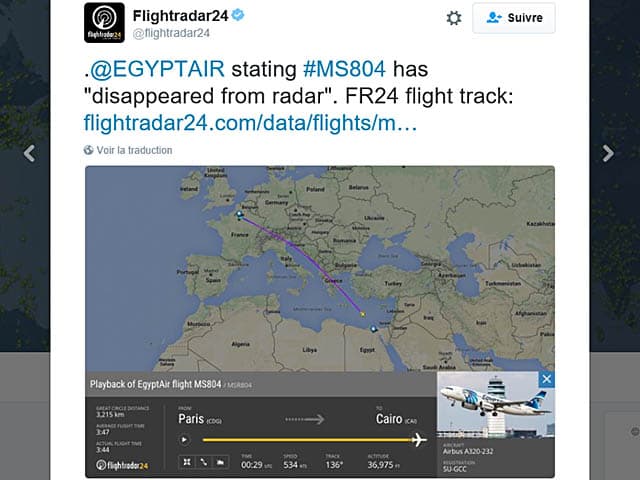
On May 19, 2016, EgyptAir Flight MS804, an Airbus A320 flying from Paris to Cairo, disappeared over the Mediterranean Sea between Crete and the Egyptian coast. All 66 people on board — including 15 French and about 40 Egyptian nationals — perished. Ten years later, the Paris prosecutor’s office has requested a full dismissal of the judicial inquiry, arguing that no fault beyond that of the deceased crew can be established.
**The cockpit fire theory: a lesson in oxygen system hazards**
The prosecutor’s final submission, dated April 7, 2025, attributes the crash to a fire that originated in the cockpit. According to the document, the accident resulted from the combination of an oxygen leak from the pilot’s oxygen mask stowage box and an unknown heat source in the flight deck. The leak was allegedly caused by the inadvertent activation of an emergency oxygen button by the co-pilot. The report also notes that the incident occurred against a backdrop of background music and what experts described as an insufficiently professional crew attitude, based on analysis of the flight recorders.
For ATPL students, this case underscores the critical importance of understanding oxygen system design and the potential for catastrophic failures from seemingly minor component malfunctions. It also highlights how human factors — including cockpit discipline, sterile cockpit rules, and crew resource management — can be scrutinized in accident investigations.
**Families cry foul, demand deeper probe**
Families of the victims, represented by associations, have reacted with outrage, calling the dismissal request a “denial of justice.” Their lawyers argue that the investigation remains incomplete, pointing to unanswered questions about maintenance obligations, smoking policies in the cockpit, and the presence of unauthorized persons in the flight deck. They insist that EgyptAir should be investigated for possible maintenance failures.
The ball now lies with the investigating judges: they may follow the prosecutor’s recommendation and close the case, or order further investigations. For ATC and ATPL students, this case serves as a reminder that accident investigations often involve complex legal, technical, and human dimensions, and that the search for truth can extend far beyond the immediate technical causes.
**What this means for aviation training**
This case is a powerful example of how cockpit fires, oxygen system vulnerabilities, and crew behavior intersect in real-world accidents. ATPL candidates should study the MS804 report to understand the importance of oxygen system maintenance, the risks of cockpit distractions, and the legal frameworks that govern accident investigations. It also reinforces the need for strict adherence to sterile cockpit procedures and the dangers of complacency in the flight deck.