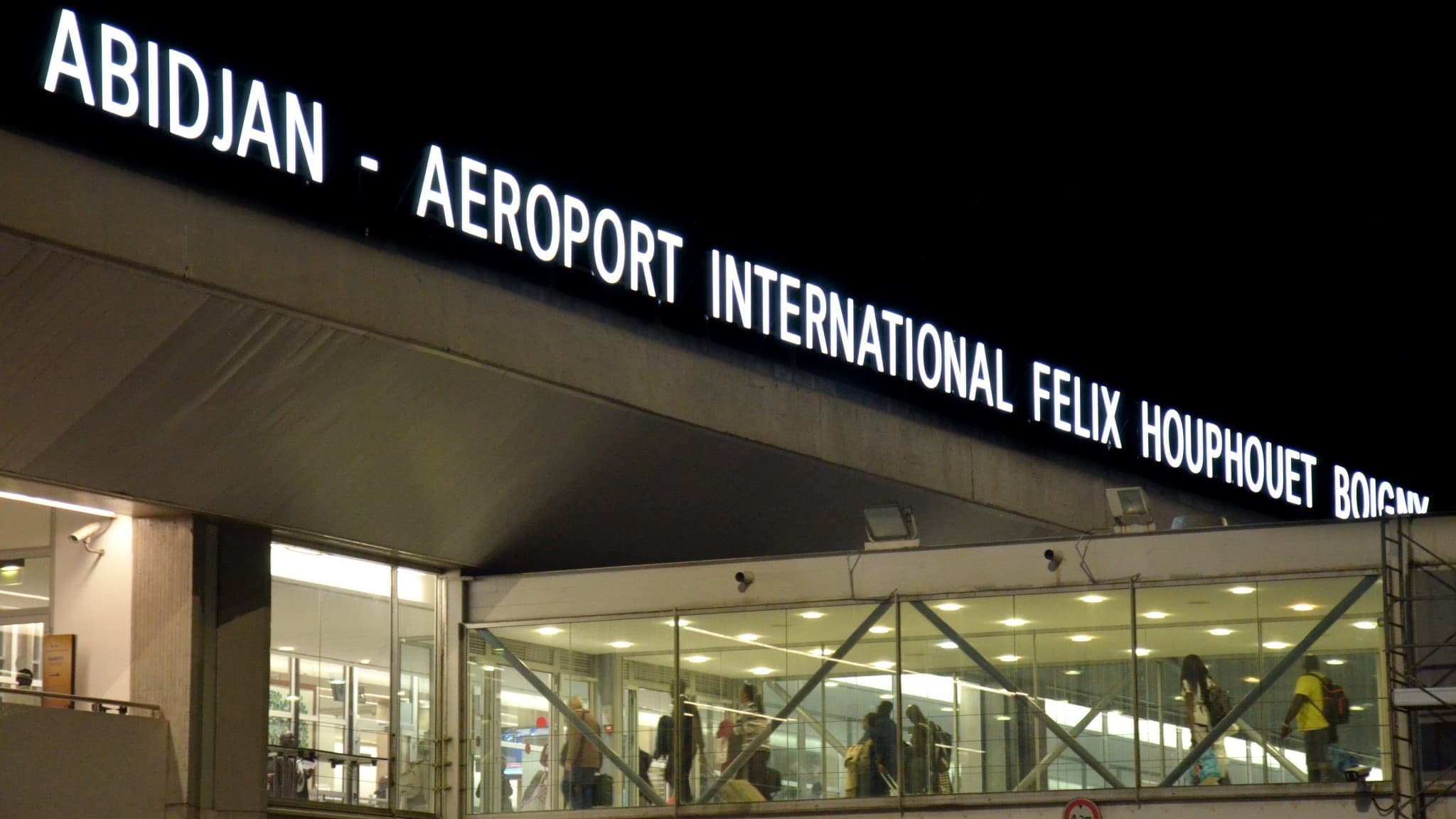
**Egis invests €85M in Cayenne airport upgrade and celebrates 30 years of Abidjan hub success**
French airport operator Egis has announced a major €85 million investment to modernize Cayenne-Félix Éboué airport in French Guiana, less than nine months after taking over the concession. At the same time, the group is celebrating 30 years of managing Abidjan's Félix Houphouët-Boigny airport in Côte d'Ivoire, which has grown into one of West Africa's key aviation hubs. These two projects offer valuable lessons for ATPL and ATC students on airport operations, capacity management, and long-term infrastructure planning.
**Cayenne: a transformative project for French Guiana**
The 30-year concession contract for Cayenne airport was signed on October 1, 2025, and construction is set to begin in July 2026. The modernization program, spanning 42 months, aims to increase the terminal capacity from the current 600,000 passengers per year to meet growing demand — the airport handled 540,000 passengers in 2025. Key improvements include a 1,000 m² terminal extension, reorganized passenger flows for smoother departures and arrivals, expanded commercial spaces showcasing local products, renovated aircraft parking areas, and a new heavy parking stand to support operations for the Guiana Space Centre. The project also includes dedicated facilities for airport staff.
Importantly, the works are designed to maintain full airport operations throughout construction, ensuring continuity for airlines, passengers, and other stakeholders. Egis is also acting as the project manager, reinforcing its role as an integrated engineering and operations solutions provider. The project emphasizes local economic benefits through the use of regional companies, skills training, and job creation in French Guiana. Environmentally, the airport aims to achieve 90% decarbonized energy on site, placing it at the forefront of energy transition among overseas French airports.
**Abidjan: 30 years of concession and a regional hub**
On July 8, 2026, Egis marks three decades of managing Abidjan's Félix Houphouët-Boigny airport through the concession company AERIA, in partnership with the Ivorian state. Since 1996, this long-term partnership has transformed the airport from a regional facility into a major West African hub. Passenger traffic grew from 935,000 in 2000 to 2.55 million in 2025, with 22 airlines serving 41 international destinations. The airport has been a pioneer in Africa, being the first to handle the Airbus A380 (Air France, 2014), the A350-900 (Air France, 2019), and the Boeing 787 (Ethiopian Airlines, 2016).
On the environmental front, Abidjan achieved Level 4 Airport Carbon Accreditation (ACA) in 2024, a first for an African airport, and holds ISO 9001, 14001, 45001, and 50001 certifications. These achievements demonstrate how airports can integrate quality, environmental, health and safety, and energy management standards into daily operations.
**What this means for ATPL and ATC students**
For ATPL students, these projects illustrate real-world airport capacity planning, terminal design, and the operational challenges of maintaining services during construction. ATC students can learn about airfield layout modifications, new parking positions, and how airports adapt to handle larger aircraft like the A380 and B787. The environmental targets also highlight the growing importance of sustainable aviation infrastructure, a topic increasingly relevant in ATPL exams and ATC procedures.