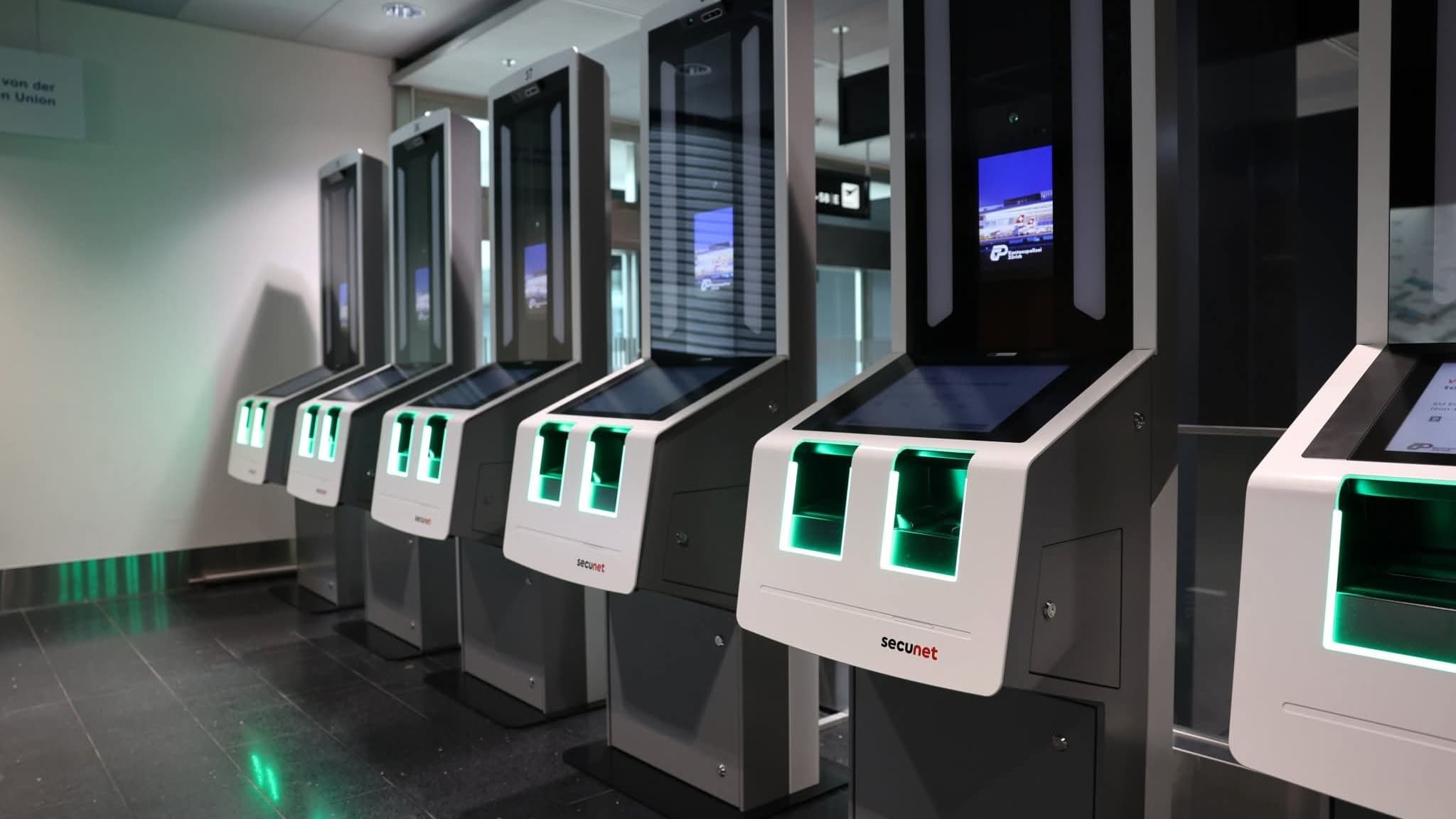
The European Union is implementing two new border control systems that will significantly impact air travel to and within Europe: the Entry/Exit System (EES) and the European Travel Information and Authorisation System (ETIAS). While both aim to digitalize and secure Schengen borders, they operate at different stages and target different traveler groups. For ATPL and ATC students, grasping these distinctions is essential for flight planning, passenger communication, and regulatory compliance.
**ETIAS: Pre-departure authorization**
ETIAS is a travel authorization required before departure for nationals of visa-exempt third countries (e.g., USA, Canada, Japan) planning short stays in Schengen (up to 90 days in any 180-day period). Travelers complete an online form, pay a small fee, and receive a multi-year authorization linked to their passport. This system acts as a security filter, cross-referencing applicant data with databases like Europol and Interpol to detect potential threats before boarding. For pilots and ATCs, this means passengers must present a valid ETIAS at check-in, and airlines are responsible for verifying it. ATCs may handle queries about denied boarding due to missing or invalid ETIAS.
**EES: Biometric border control**
EES is a biometric system that records the entry and exit of all non-EU travelers (including visa holders) at Schengen external borders. It replaces passport stamps by capturing facial images and fingerprints, along with entry/exit dates. This system automatically tracks the duration of stay, ensuring compliance with the 90/180-day rule. For aviation professionals, EES means longer processing times at border checkpoints, which can affect turnaround schedules. ATCs may need to coordinate with airport authorities to manage potential delays. Additionally, pilots must be aware that EES data can be used to verify visa usage and overstay history, impacting passenger eligibility for future flights.
**Operational impact for ATPL and ATC students**
Understanding these systems is not just theoretical. For ATPL students, knowledge of ETIAS and EES is relevant to flight planning, passenger briefing, and handling irregular operations. For example, a flight to a Schengen country may require verifying that all passengers have valid ETIAS or visas, and that their stay will not exceed the allowed duration. ATC students, meanwhile, may encounter situations where border delays affect slot times or where they need to relay information about system outages. Both systems also tie into broader security frameworks, such as the Schengen Information System (SIS) and the Visa Information System (VIS), which are part of the ATPL and ATC curricula.
**Conclusion**
EES and ETIAS represent a major shift toward digital, automated border management. For aviation trainees, staying informed about these systems is a practical necessity. They affect everything from passenger processing to flight operations and security coordination. As the EU rolls out these systems gradually, pilots and controllers must be ready to adapt, ensuring smooth and compliant travel for all passengers.