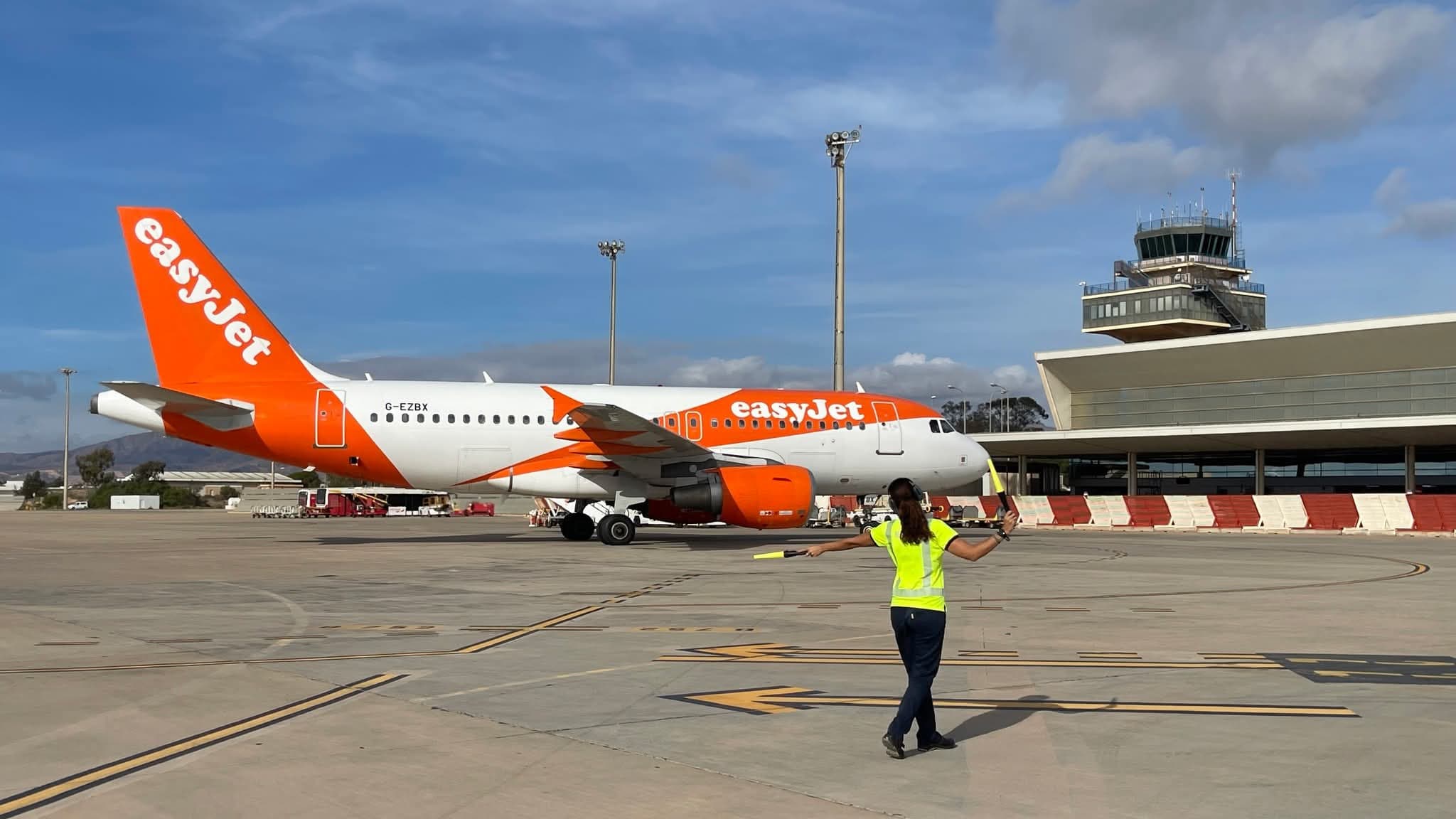
EasyJet has extended the deadline for US investment fund Castlelake to submit a firm takeover bid, aligning it with the timeline given to rival suitor Apollo. The British low-cost carrier, Europe's second-largest behind Ryanair, is attracting intense interest from two American private equity firms. In early July, easyJet announced a preliminary agreement with Apollo on terms valuing the group at £5.7 billion (approximately €6.7 billion). Castlelake, which had presented a slightly lower offer days earlier, was originally required to submit a firm bid by Monday. However, easyJet stated that, "in order to align" the procedures, both funds now have until Friday at 5 PM London time to "announce a firm intention to make an offer" or withdraw.
The strategic stakes are significant. Both funds are eyeing easyJet's valuable airport slots, its strong brand, and its growth prospects in the European market. However, the orange-liveried airline has faced headwinds, with third-quarter results hit by the Middle East conflict's impact on demand and rising fuel costs. Pre-tax profit plunged 70% to £85 million (nearly €100 million) for the three months ending in June.
For aviation students, this takeover battle illustrates the financial dynamics that can shape an airline's future. Understanding how private equity values airlines—considering assets like slots, brand equity, and market position—is crucial for those aspiring to management roles. Moreover, the regulatory and strategic implications of such deals affect route networks, competition, and employment, which are all topics covered in ATPL and ATC training programs. The outcome of this bidding war will likely influence European aviation's competitive landscape for years to come.