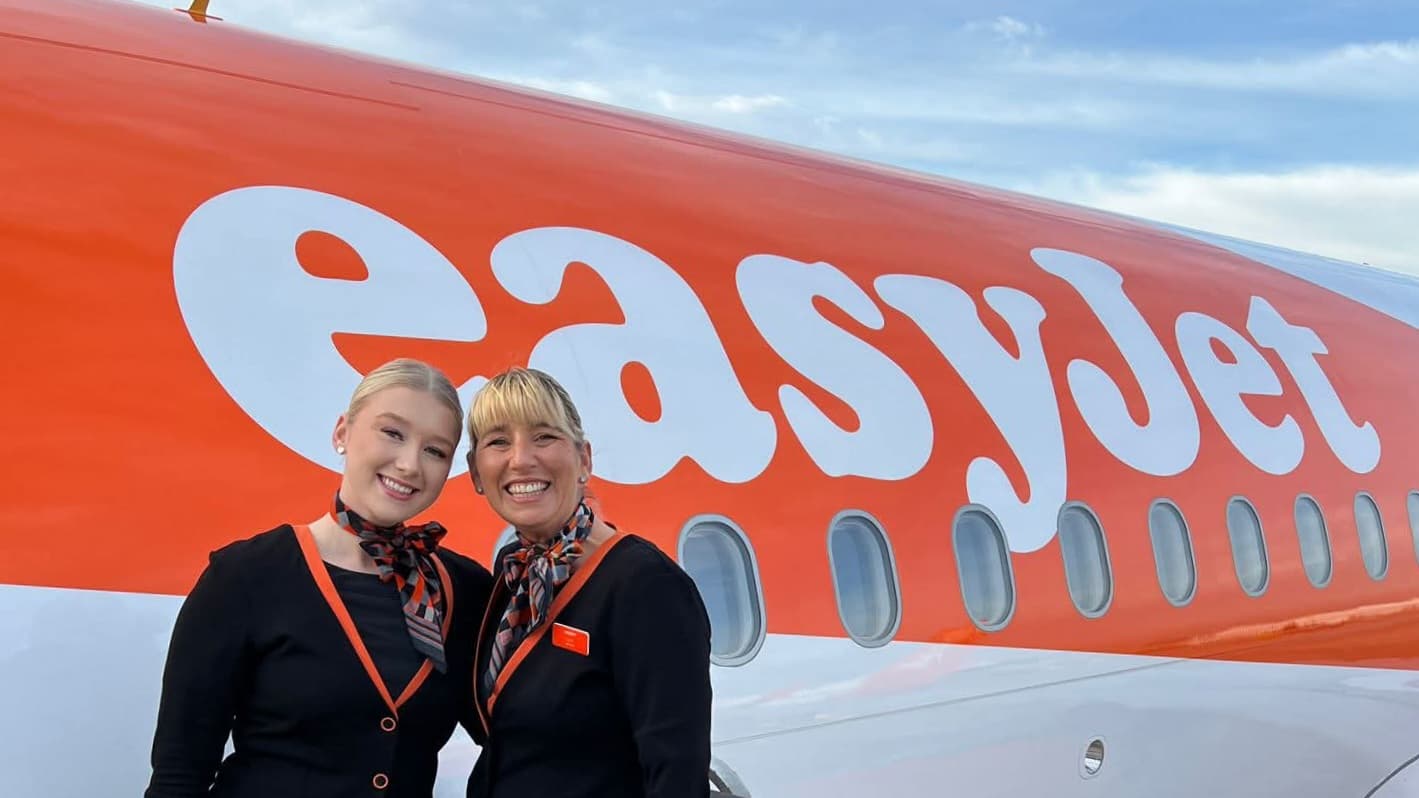
**EasyJet's quarterly profit has taken a severe hit**, dropping 70% year-on-year to £85 million (€98.7 million) for the three months ending 30 June 2026. The British low-cost carrier attributes the decline to the Middle East conflict that erupted in March, which pushed up fuel prices and dampened travel demand. The fuel bill alone rose by £105 million (€122 million) compared to the same period last year, squeezing margins despite strong passenger numbers.
**The airline's hedging strategy is a key factor in this story.** EasyJet has covered about 84% of its fuel needs for the first half of 2026 at an average cost near $715 per metric tonne, dropping to 62% for the second half at around $688 per tonne, and only 43% for the first half of 2027. This declining coverage profile means the carrier is increasingly exposed to spot price volatility as the year progresses. In contrast, rival Ryanair has secured around 80% of its fuel for the current financial year at lower prices, giving it a competitive edge. For ATPL and ATC students, this is a real-world lesson in how fuel hedging—a topic often covered in airline operations and finance modules—directly affects an airline's bottom line and its ability to maintain routes and schedules.
**Operationally, EasyJet carried 25.8 million passengers in the quarter**, with a load factor of 88.9%, down one point year-on-year. Capacity grew 3% in available seat kilometres (ASK), but unit revenue per ASK (RASK) fell 3%, indicating a more competitive pricing environment. The airline notes that last-minute bookings remain strong, a crucial factor for its low-cost model, and that demand is gradually recovering as the summer peak approaches. However, it still needs to adjust prices to stimulate longer-term sales. EasyJet also reports an on-time performance of 78% (up two points) and a customer satisfaction score of 84% (also improving).
**EasyJet holidays provided a stabilising influence**, posting a pre-tax profit of £84 million, almost unchanged year-on-year. This low-capital-intensity segment helps cushion the airline from geopolitical shocks and fuel price swings, highlighting the value of diversification in airline business models. The group maintains its capacity growth target of around 6% for the full 2026 financial year.
**On the corporate front**, EasyJet remains a takeover target, with Apollo valuing the airline at £5.7 billion (€6.6 billion) and Castlelake also in the race. Apollo has until 7 August to make a firm offer, while Castlelake's deadline is 3 August. The outcome could reshape the European low-cost landscape. For now, EasyJet is caught between geopolitics, fuel costs, and competitive pressure, with profitability highly sensitive to external shocks.