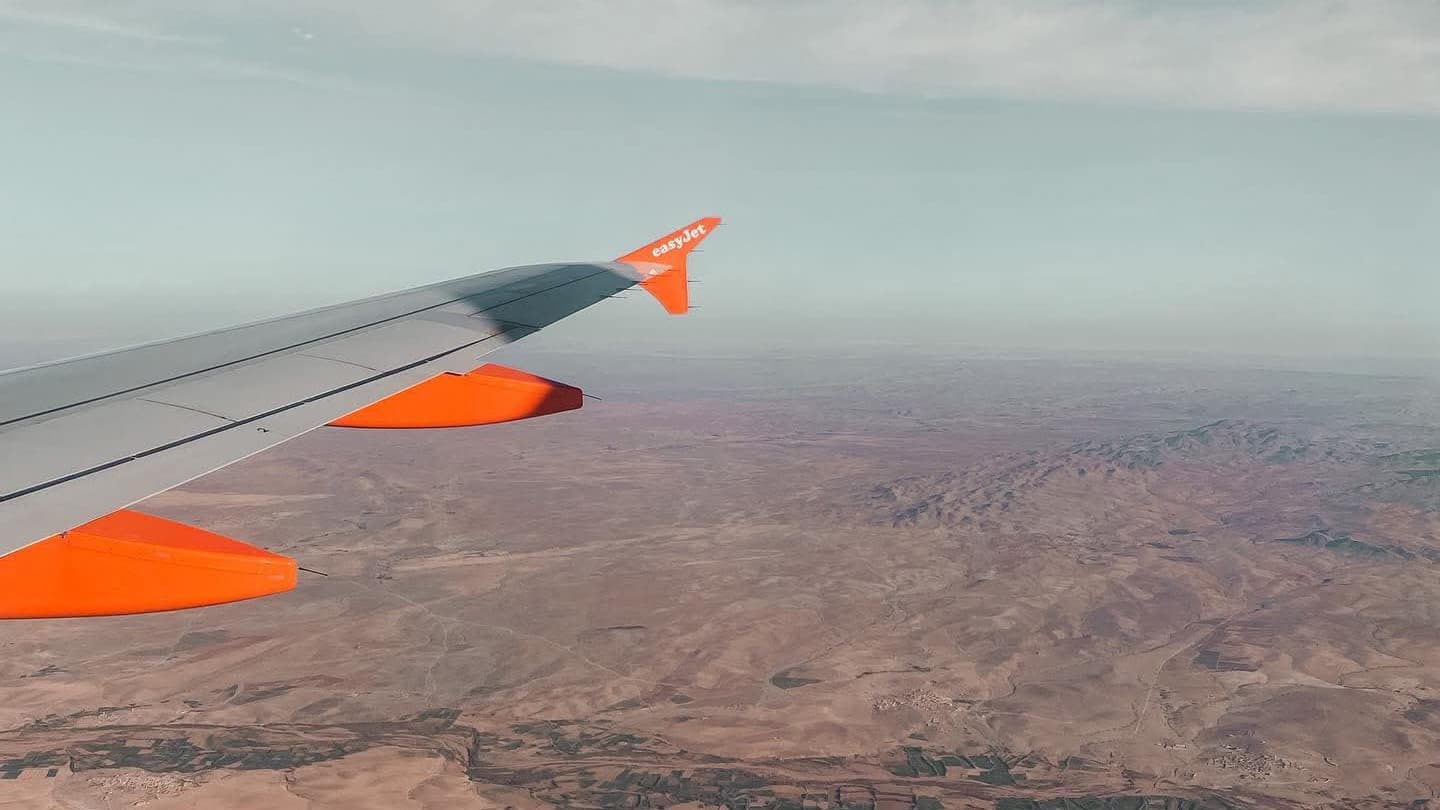
The French pilots' union SNPL has raised alarms over easyJet's recruitment plans for its upcoming Marrakech base, alleging that pilots would be hired as independent contractors rather than salaried employees, a practice the union describes as social dumping. According to La Tribune, the low-cost carrier intends to use Storm Global, an Irish aviation employment firm, to place pilots at the Moroccan base, which is set to open in spring 2026 as easyJet's first African hub.
The base, part of a partnership with Morocco's tourism office ahead of the 2030 FIFA World Cup, will host three aircraft and serve around 30 European routes, creating about 100 direct jobs, including roughly 60 pilot positions. While current crews are seconded from other bases, future permanent postings would reportedly involve two-year "contractor" agreements, with a possible later integration into an easyJet European entity. The SNPL criticizes this as an unprecedented move within easyJet's network, arguing it shifts social and financial risks onto pilots, including social protection, sick leave, and contributions, while easyJet retains operational control.
EasyJet neither confirmed nor denied the contract specifics, but stressed that no current Marrakech pilots were hired via a third party. The airline defends the use of a recruitment agency, noting that such models are common in Moroccan aviation and used by other carriers. The SNPL, however, calls for vigilance, warning that this could weaken social protections and potentially impact flight safety, though no incidents have been reported.
For aviation students, this case highlights the evolving employment landscape in the industry, where non-standard contracts are becoming more prevalent, especially in new markets. Understanding the implications of such arrangements is crucial for future pilots and ATCs, as they may face similar situations in their careers. The dispute also underscores the tension between cost-cutting strategies and labor rights, a recurring theme in aviation economics.