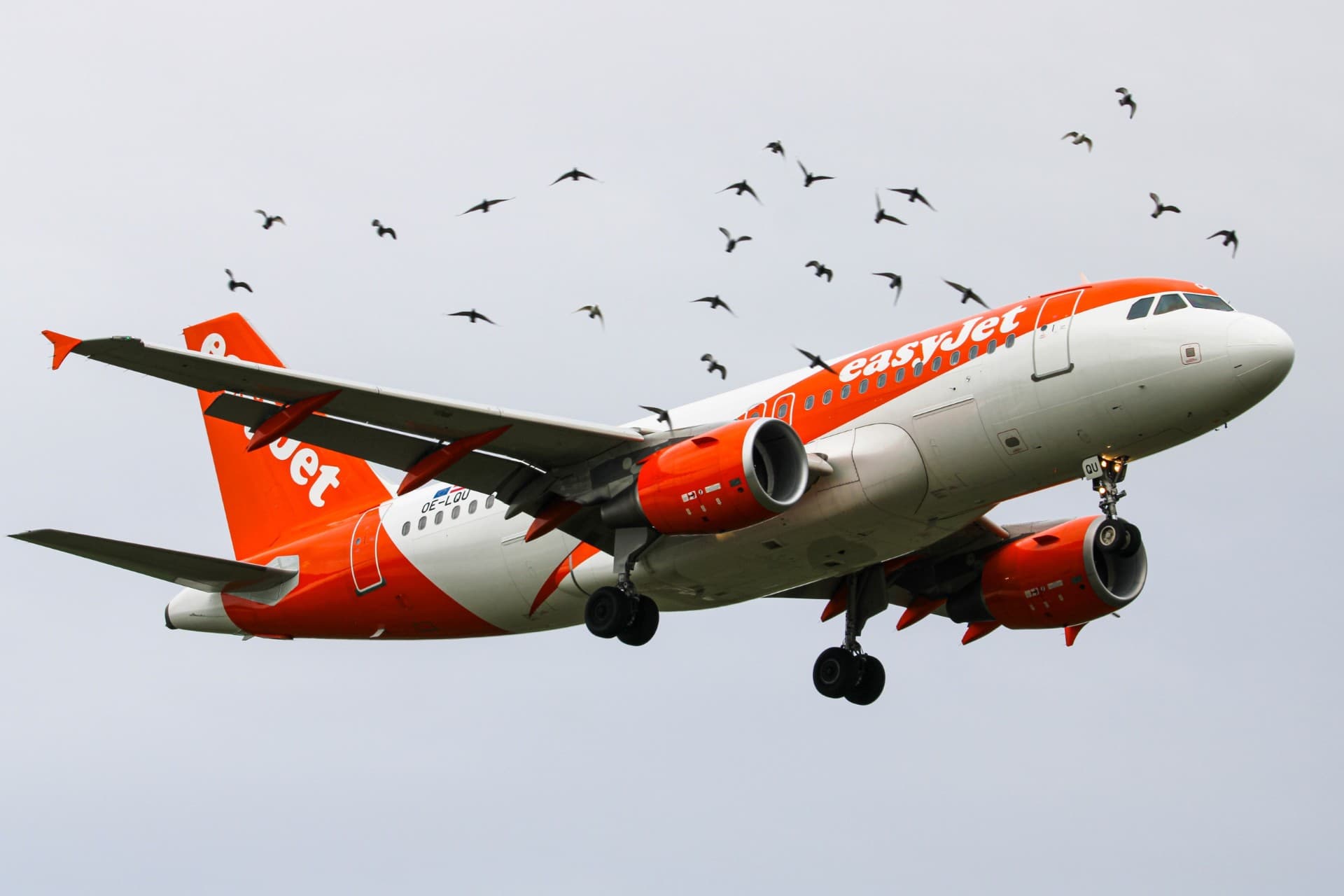
**EasyJet Rejects £4.7 Billion Takeover Bid – Industry Implications for Aviation Students**
On 17 June 2026, UK low-cost carrier easyJet publicly rejected a £4.74 billion (€5.5 billion) takeover bid from US investment fund Castlelake, describing the approach as 'highly opportunistic'. Castlelake, which already holds about 2.14% of easyJet's shares through managed funds, had made three separate proposals during June 2026, all of which were dismissed by easyJet's board. The fund then decided to make its final offer public, hoping shareholders would pressure the board to engage.
**Why this matters for ATPL and ATC students**
This is not just a financial story – it touches on core regulatory and operational realities that every aviation professional must understand. The most critical issue is **European ownership and control rules**. Under EU Regulation 1008/2008, any airline holding an EU operating licence must be majority-owned (more than 50%) and effectively controlled by EU nationals. Castlelake claims it has proposed a governance structure that would satisfy these requirements, but easyJet's board remains sceptical. Since Brexit, easyJet has already restructured by creating EasyJet Europe, based in Austria, to preserve its intra-EU traffic rights. This case is a perfect real-world example of how regulatory frameworks directly shape airline strategy – a topic covered in ATPL modules on air law and operations.
**Consolidation trends in European aviation**
The attempted takeover is part of a broader wave of consolidation in the European airline industry. Recent years have seen Lufthansa strengthen its grip on ITA Airways, IAG pursue Air Europa, Air France-KLM take a stake in SAS, and both groups vie for TAP Air Portugal. Low-cost carriers like Ryanair and Wizz Air have also pursued aggressive organic and opportunistic growth. EasyJet, with a fleet of over 340 Airbus aircraft (mostly A320neo family) and a strong presence in key European markets, is a natural target for investors looking to capitalise on the sustained post-Covid recovery in leisure travel.
**What this means for your training**
For ATPL students, this story illustrates how **airline ownership rules** affect route networks, fleet planning, and even pilot employment conditions. For ATC trainees, it highlights how airline consolidation can reshape traffic flows, slot allocations, and demand patterns at major airports. Understanding these dynamics helps you anticipate changes in the operational environment – whether you're planning a flight plan or managing approach sequences.
**The bottom line**
Castlelake now has until Friday to decide whether to make a firm offer or walk away. Regardless of the outcome, this case underscores the tension between global capital markets and national/regional regulatory frameworks in aviation. For students preparing for ATPL or ATC exams, it's a reminder that aviation is never just about flying – it's about law, economics, and strategy too.