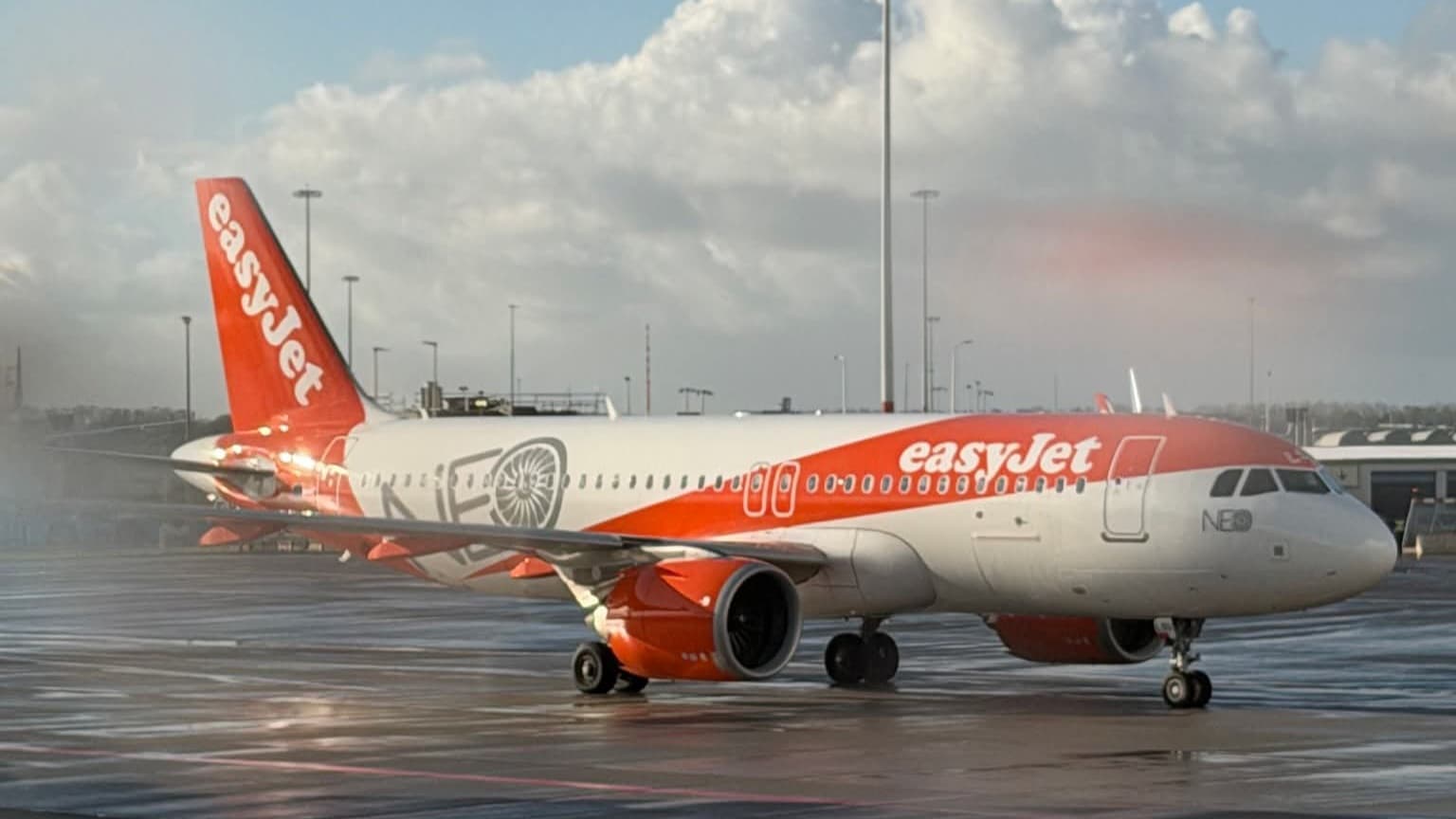
EasyJet continues to expand its network from Lyon-Saint-Exupéry, announcing a new twice-weekly service to London Southend starting December 3, 2026. Operating on Thursdays and Sundays, this route brings the number of UK destinations served by EasyJet from Lyon to seven, reinforcing the airline's dominant position in the Lyon market. With over 27 years of presence in the city, EasyJet now offers more than 60 destinations from Lyon and claims a 27% market share on short- and medium-haul flights, making it a key player in local connectivity.
London Southend Airport offers a direct rail connection to Liverpool Street station in about 52–53 minutes, with the train station just 100 steps from the terminal. This strategic positioning complements EasyJet's existing services to Gatwick (south London) and Luton (north London), providing passengers with an eastern gateway to the capital. For aviation students, this case study illustrates how low-cost carriers leverage secondary airports to reduce congestion and costs while maintaining accessibility—a key concept in airline network planning and airport slot management.
The expansion is part of a broader trend at EasyJet, which has been adding routes from Lyon despite a challenging fiscal environment in France. The airline also promotes its EasyJet holidays package, offering flight + hotel bundles with flexible cancellation policies. This dual strategy of route expansion and ancillary product development is a classic example of revenue diversification in the airline industry, relevant for ATPL students studying airline economics and for ATC trainees understanding traffic distribution across multiple London airports.
From an operational perspective, Southend's single-runway layout and lower traffic volumes compared to Heathrow or Gatwick present different challenges for ATC, including managing mixed traffic (commercial and general aviation) and optimizing turnaround times. For ATPL candidates, this route highlights the importance of understanding airport classifications and the role of secondary hubs in relieving pressure on major airports. The Lyon–Southend link also underscores the growing trend of point-to-point travel versus hub-and-spoke models, a shift that reshapes flight planning and crew scheduling.
In summary, this announcement is not just a new route—it is a microcosm of modern airline strategy, airport economics, and operational dynamics. For students at MyATPS, analyzing such developments helps bridge theory and practice, preparing them for real-world scenarios in aviation management, air traffic control, and flight operations.