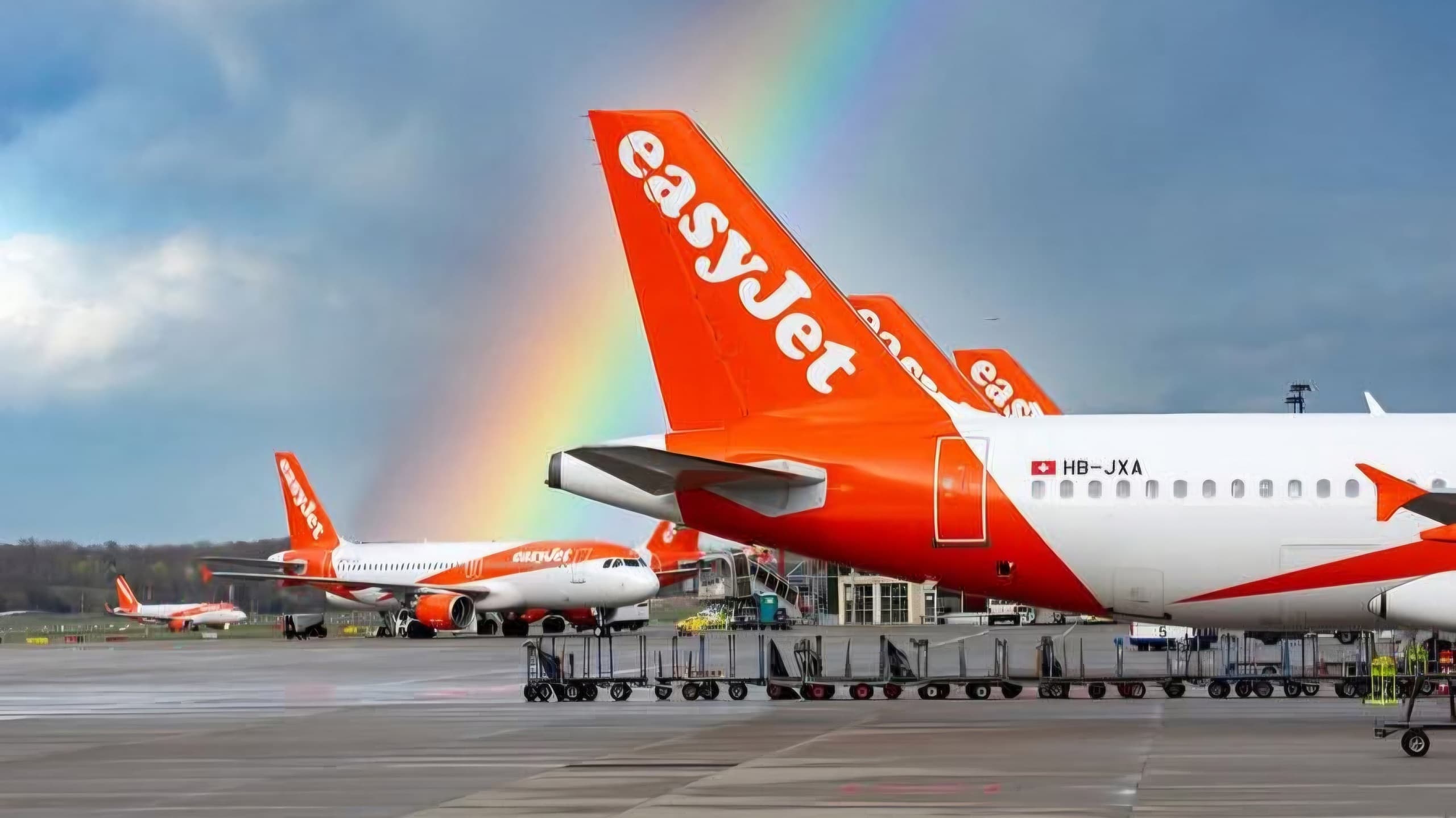
EasyJet has reached an agreement in principle for a £5.5 billion (€6.4 billion) buyout by US investment firm Castlelake, a deal that would take the British low-cost carrier off the London Stock Exchange and open a new chapter for its business model. The offer, at £6.90 per share, values the airline at £5.5 billion on a fully diluted basis and comes after several earlier bids were rejected as too low. The board, chaired by Stephen Hester, has indicated it would be inclined to recommend the offer to shareholders, though some investors still push for a price above £7. Castlelake has until August 3 to make a firm offer or walk away, under UK takeover rules.
The transaction is structured through a special-purpose vehicle owned 49% by Castlelake and co-investors, with the remaining 51% held by EU nationals, including Peter Bellew (former Malaysia Airlines CEO) and Mark Breen of Ireland's Oneiros Aerospace. This structure is designed to comply with EU ownership and control rules, which require airlines operating intra-EU traffic to be majority-owned and controlled by European interests. The deal would remove EasyJet from the FTSE 250 and contribute to the trend of British companies delisting from London, amid a market environment seen as unfavorable by many corporate leaders. For founder Stelios Haji-Ioannou and his family, who hold over 15% of the shares, the sale could yield nearly £800 million.
EasyJet, based at London Luton Airport, operates from 164 airports across 38 countries and employs around 19,000 people, making it one of Europe's leading short-haul carriers. The airline has faced headwinds in 2026, issuing two profit warnings in the spring due to a sharp rise in fuel costs and a slowdown in bookings linked to the US-Israel-Iran conflict. The airline reported a £25 million increase in its fuel bill in one month, and summer bookings were down year-on-year, squeezing margins. Competition from Ryanair, Wizz Air, and Jet2, all operating low-cost models with strict capacity and yield discipline, adds further pressure. High fuel surcharges, regulatory costs (safety, environment, passenger compensation), and price competition are eroding profitability for point-to-point carriers.
For Castlelake, a specialist in aircraft leasing and aviation-backed financing, gaining control of a fleet of around 350 Airbus aircraft could allow it to optimize EasyJet's financing structure or make asset arbitrage moves, particularly around the EasyJet Holidays division. Castlelake was part of the consortium that recapitalized SAS, the Scandinavian carrier, through a debt-to-equity conversion, before that stake was promised to Air France-KLM. The Franco-Dutch group has announced plans to buy Castlelake's and Lind Invest's stakes in SAS to increase its own share from 19.9% to 60.5%, pending regulatory approvals, with completion targeted for the second half of 2026.
If the offer is formalized and approved by shareholders and competition and civil aviation authorities, EasyJet would join a growing list of European carriers moving under the control of investment funds or larger airline groups. Going private could give the airline more flexibility to reorganize its model, adjust capacity, or renegotiate its cost base, away from stock market volatility and quarterly earnings expectations. For ATPL and ATC students, this deal highlights how financial restructuring and regulatory compliance (especially EU ownership rules) can directly influence airline strategies, fleet planning, and network decisions. Understanding these dynamics is crucial for future pilots and controllers who will operate within such evolving corporate and regulatory frameworks.