**easyJet Expands Domestic Network with Basel-Mulhouse–Lille Link**
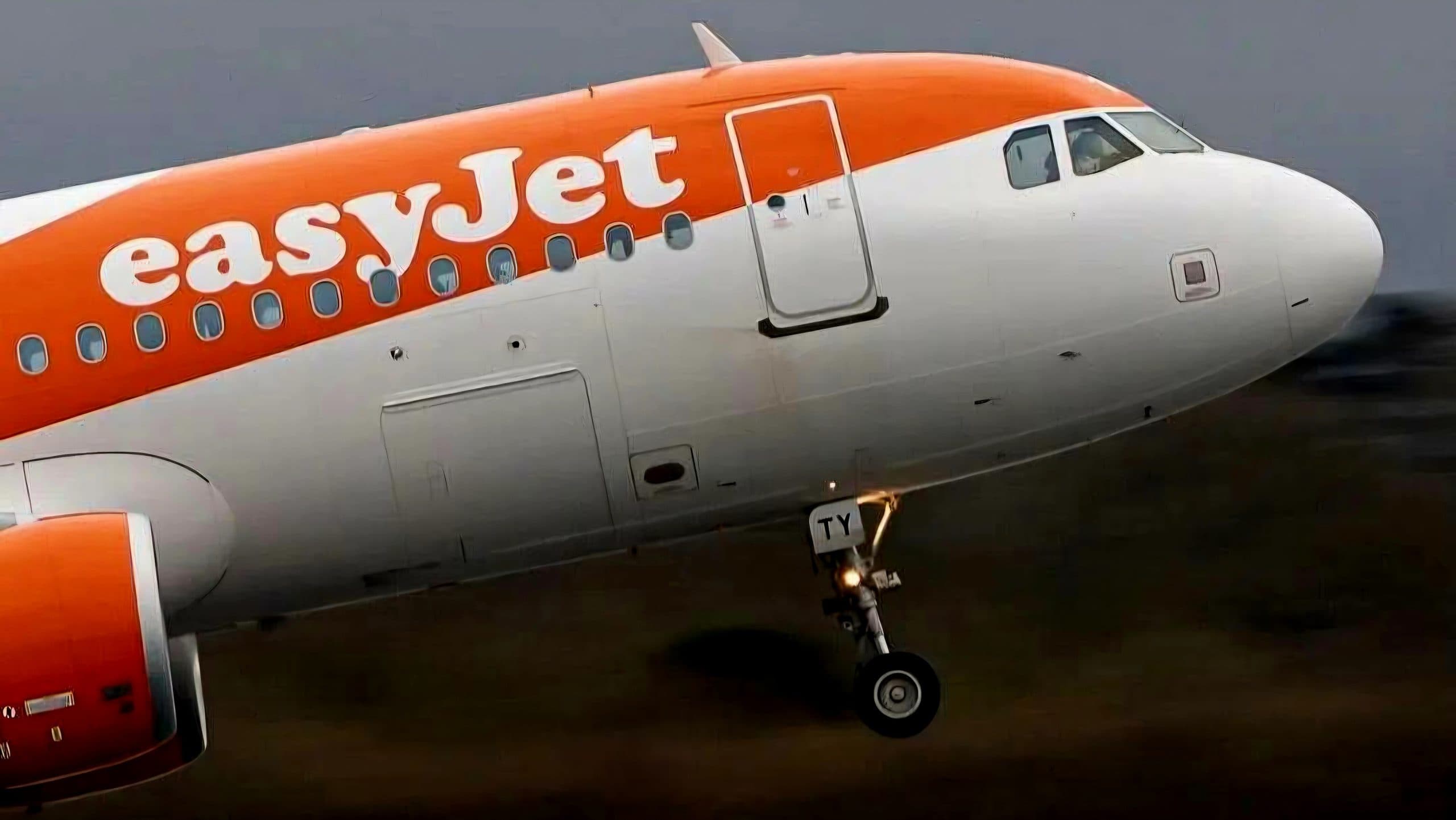
On June 22, 2026, easyJet will launch a new direct service between EuroAirport Basel-Mulhouse-Freiburg (BSL/EAP) and Lille Airport (LIL), operating twice weekly on Mondays and Fridays. The 1h20 flight is operated by an Airbus A320 and is priced from €30 one-way, including taxes and fees, excluding baggage supplements. This route is part of easyJet's strategy to strengthen its position as France's leading regional carrier by passenger numbers on domestic routes.
**Time Savings and Connectivity**
The flight offers a dramatic time saving compared to surface transport: approximately 7 hours by car and 4–5 hours by train, depending on connections. For passengers departing from the EuroAirport, the direct link eliminates the need to transit through hubs such as Paris, Lyon, or Brussels, reducing transfer risks and delays. At the Lille end, a 20-minute shuttle connects the airport to the city center, placing the Grand'Place within two hours door-to-door for many business and leisure travelers.
**Dual Target: Business and Leisure**
easyJet highlights that the route serves both business travelers—Lille being a key economic hub at the crossroads of Paris, Brussels, and London—and tourists attracted by the city's cultural offerings. The airline promotes weekend getaways, inviting passengers to explore Vieux-Lille, the Grand'Place, the belfry, the Palais des Beaux-Arts, and the La Piscine museum in Roubaix, along with local culinary experiences like Welsh rarebit or fries in a traditional estaminet.
**Implications for ATPL and ATC Students**
For ATPL students, this new route illustrates how airlines optimize fleet utilization with seasonal frequencies (June 22 to August 28, 2026) and how route planning considers both business and leisure demand. ATC students can note the operational aspects of serving a secondary airport like Lille, which requires coordination with EuroAirport's trinational airspace (France, Switzerland, Germany) and the integration of two weekly slots into a busy summer schedule. The 1h20 block time also provides a realistic example for flight planning exercises, including fuel calculations and alternate airport considerations.