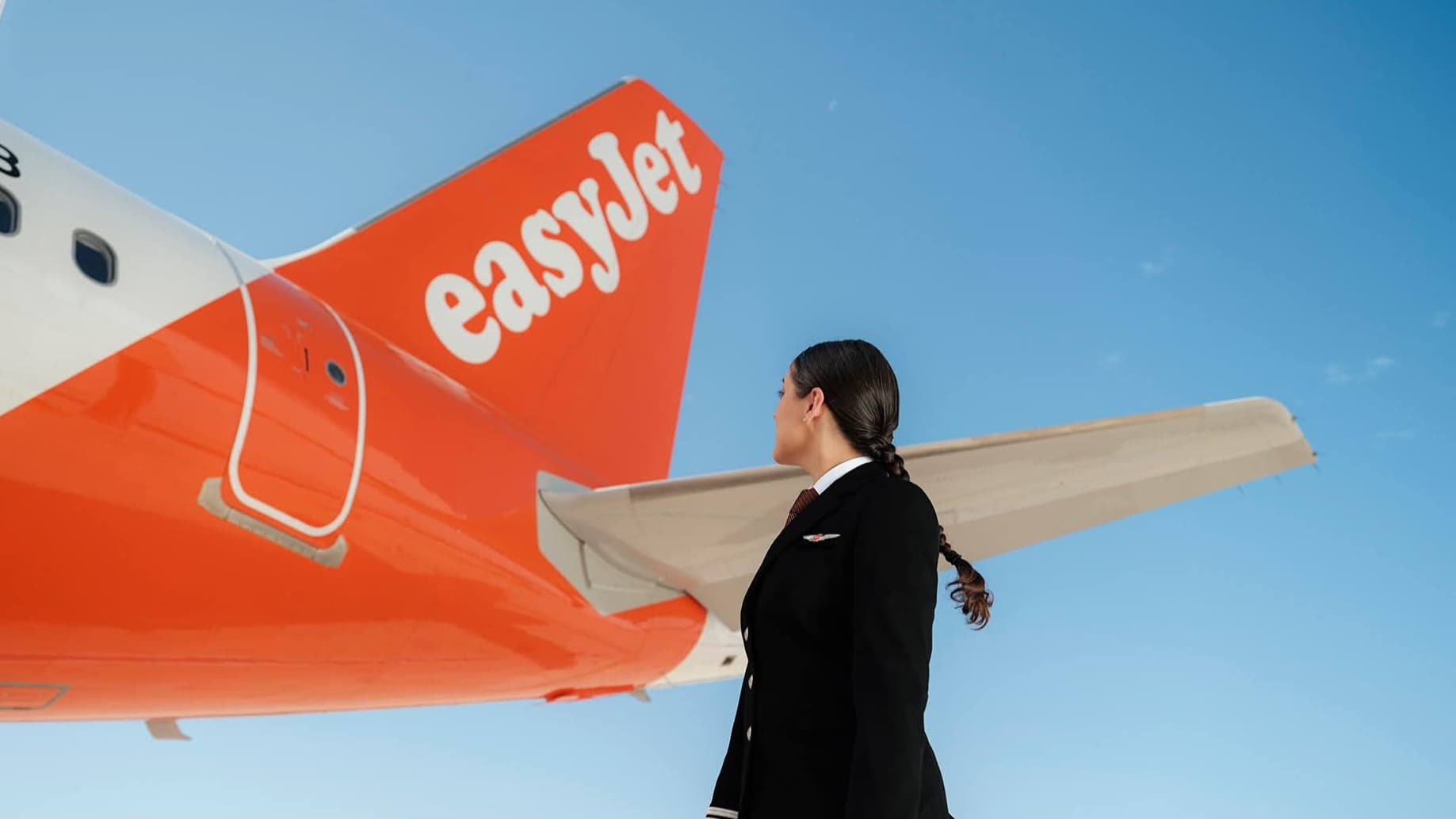
EasyJet has announced a charming initiative for young travelers: personalized boarding passes for their beloved stuffed animals. Available free of charge at check-in counters in six French airports—Paris-Charles de Gaulle, Paris-Orly, Lyon-Saint-Exupéry, Nice, Bordeaux, and Nantes—throughout August, these playful documents mimic real easyJet boarding passes, allowing children to fill in their teddy's name and destination. While not official travel documents, they serve as a delightful touchpoint in the passenger journey.
This move comes as easyJet and its tour operator arm, easyJet Holidays, anticipate their busiest summer ever, with over 370,000 families expected to fly or book package holidays. The airline's focus on family travel is evident: from free checked baggage for essential items like strollers and car seats to flexible boarding procedures. The teddy bear boarding passes are a marketing extension of this strategy, aiming to reduce stress for children and parents alike in the airport environment—a place often overwhelming for young ones.
To support the launch, easyJet commissioned a survey by Censuswide, conducted in July 2026 among 1,002 parents of children under 10. The findings reveal that 78% of parents bring their child's favorite toy on most or all family vacations, and 33% consider the stuffed animal a true family member. These statistics underscore the emotional significance of comfort objects, especially in potentially stressful travel situations.
The initiative is not isolated. In late July, easyJet partnered with family safety app Life360 to distribute free 'Teddy Trackers'—small Bluetooth trackers designed to attach to children's toys—at baggage counters in UK airports including Gatwick, Manchester, Edinburgh, and Belfast. This dual approach—emotional engagement and practical safety—highlights a growing trend in aviation: using ancillary services and thoughtful touches to differentiate in a competitive market.
For aviation students, this story illustrates how airlines leverage passenger experience as a strategic tool beyond pricing. Understanding family travel dynamics, regulatory requirements (such as ID for children on international flights), and the role of emotional branding is crucial for future careers in airline management, marketing, or customer experience roles. It also reflects broader industry shifts toward personalization and service innovation.