**A $4.1 Billion Approach**
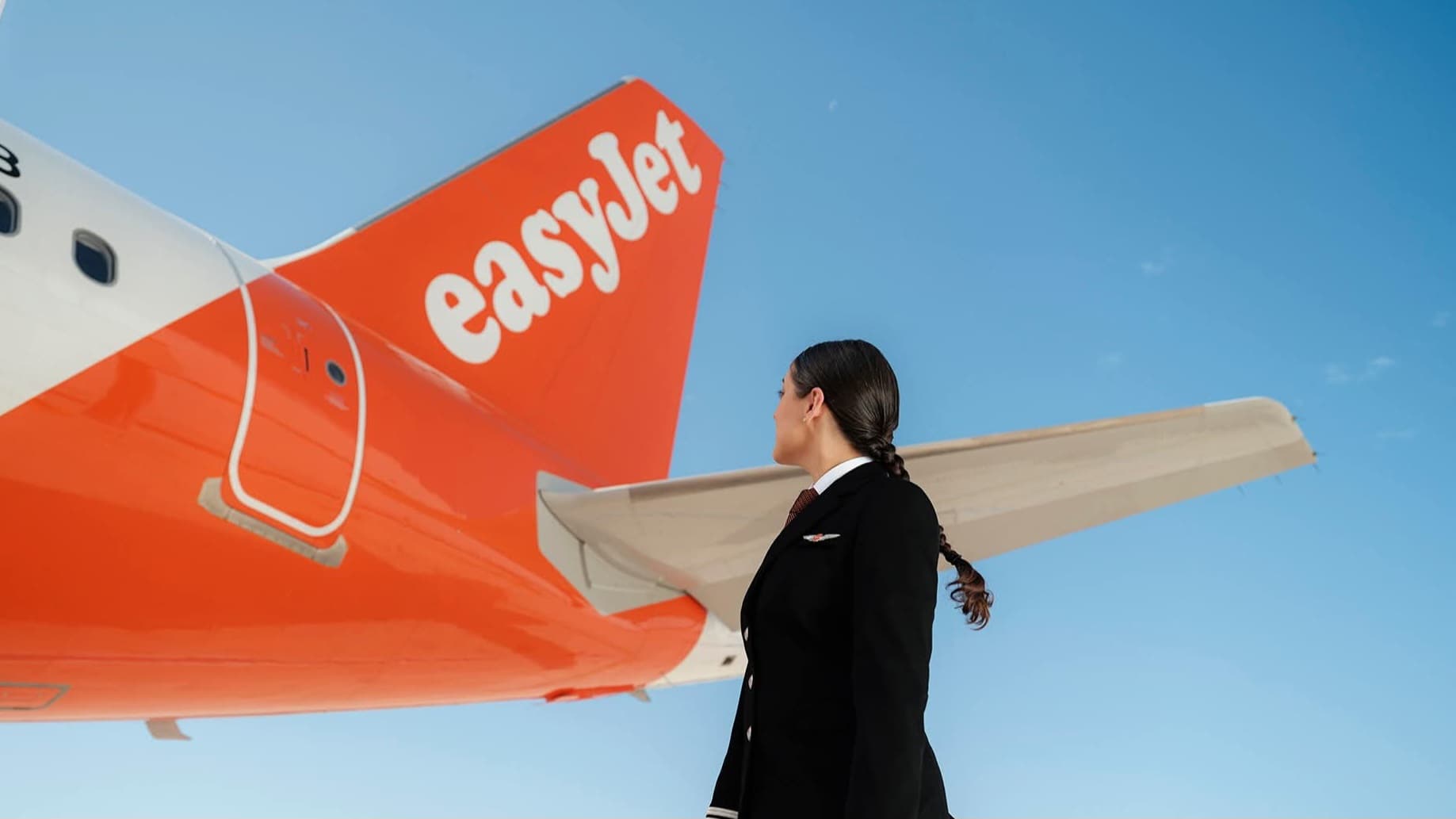
American investment fund Castlelake, based in Minneapolis and managing around $36 billion in assets, has confirmed it is considering a takeover bid for easyJet. The offer would value the British low-cost carrier at a minimum of 403.23 pence per share, equivalent to approximately £3.06 billion ($4.12 billion). This price represents a modest 1.3% premium over the closing price of 398 pence before the announcement. Castlelake has already acquired a 2.14% stake in the airline. Under UK takeover rules, the fund now has until June 26 to confirm or withdraw its intention to make a firm offer.
**Market Reaction and easyJet's Response**
The news immediately boosted easyJet's stock, which surged to 444.7 pence—its highest since early March—before stabilizing around a 10% gain for the session. This reflects investor interest in a group whose valuation had contracted sharply in recent months: before these announcements, the stock had lost about 20% since the start of the year. However, easyJet's management was quick to react, describing the approach as "highly opportunistic." In a statement, the airline argued that its current share price is "temporarily depressed due to the situation in the Middle East and its impact on customer confidence and fuel prices." The conflict involving Iran is weighing on the entire aviation sector: rising jet fuel costs, uncertainty over summer demand, and capacity adjustments on certain routes.
**Regulatory Hurdles and Strategic Implications**
Beyond valuation, any takeover of easyJet would face significant structural constraints. European regulations require that airlines operating within the EU be majority-owned by European interests. As Ruairi Cullinane, an analyst at RBC Capital Markets, notes, these rules could "at a minimum complicate a takeover of easyJet by Castlelake if it acts alone." This is crucial for easyJet, whose business model relies heavily on its access to the European market post-Brexit through its subsidiary easyJet Europe. For ATPL and ATC students, this case illustrates how ownership rules can directly impact airline strategy, route networks, and even fleet planning—factors that affect daily operations and long-term career prospects.
**A Resilient Carrier Under Pressure**
Despite recent stock pressure, easyJet highlights solid fundamentals: a robust cash position and favorable profitability outlook, particularly driven by the growth of its package holiday offering (easyJet Holidays). The Luton-based airline carries tens of millions of passengers annually and employs over 16,000 people. It ranks among the top three European low-cost carriers, behind Ryanair and ahead of Wizz Air. Founder Stelios Haji-Ioannou remains the largest shareholder with about 15% of the capital. Castlelake is not new to aviation; the fund has previously financed several industry players, including SAS Scandinavian Airlines and Virgin Atlantic, primarily through debt instruments. For Susannah Streeter, a strategist at Wealth Club, this move reflects a long-term conviction: "Castlelake clearly believes the market undervalues easyJet's earnings potential and the resilience of its network."
**What This Means for Aviation Students**
This is not the first time easyJet has attracted interest. In 2021, it rejected an approach from Wizz Air, and in 2025, shipping group MSC was also mentioned as a potential buyer. For now, easyJet remains open but cautious, stating it will "examine any proposal" while acknowledging the financial, regulatory, and operational challenges such a transaction would entail. For ATPL and ATC trainees, this story underscores how geopolitical events, fuel price volatility, and regulatory frameworks create both risks and opportunities in aviation—directly influencing airline stability, hiring trends, and the operational environment you will work in.