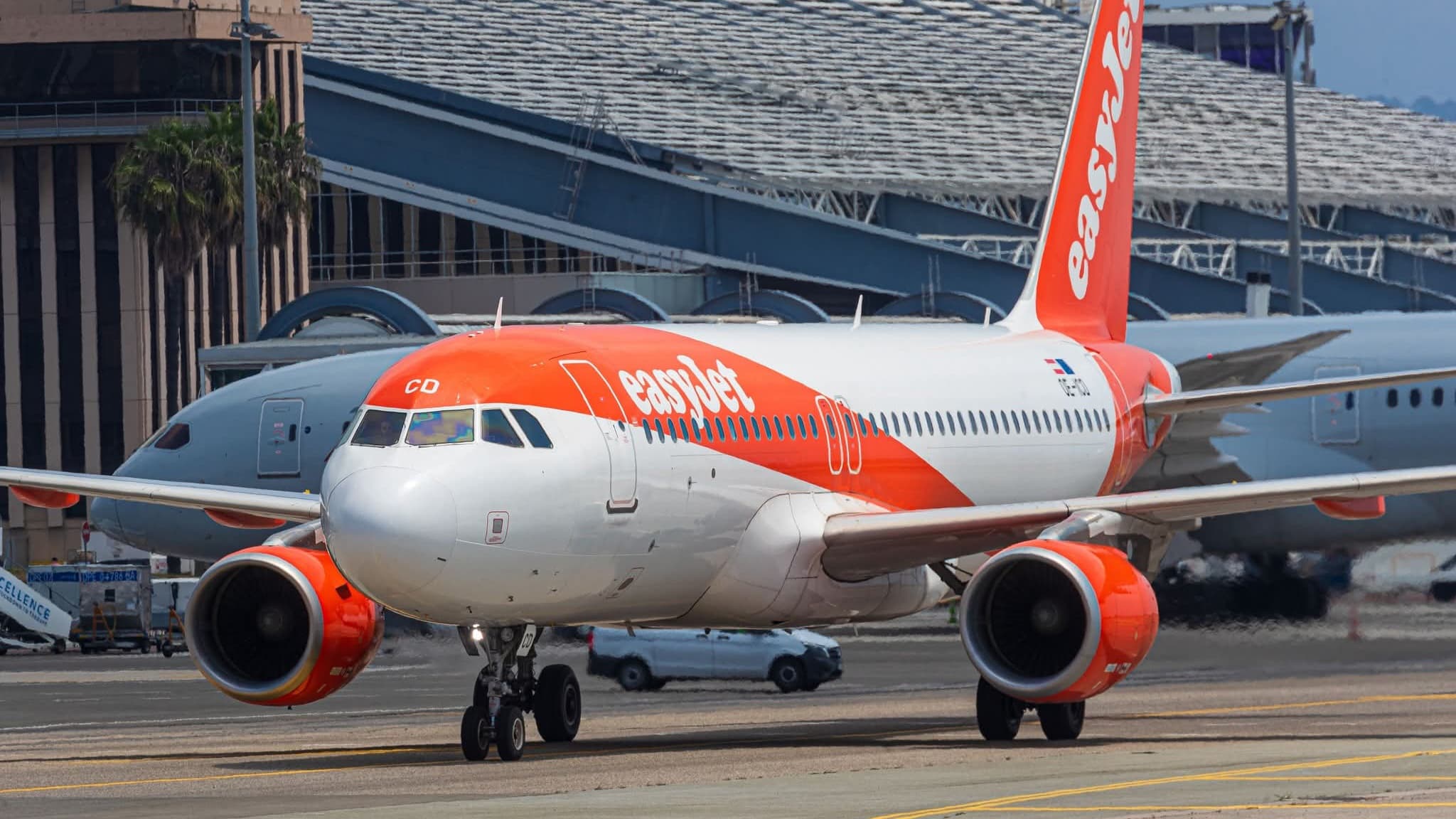
**EasyJet freezes fuel surcharges until 2027: a strategic move with operational implications**
As the summer 2026 season approaches, easyJet and its tour operator easyJet holidays have announced a significant pricing guarantee: no fuel surcharges will be applied to flights or package holidays booked until 21 March 2027. This commitment covers both existing reservations and new bookings, offering price certainty in an environment where fuel costs remain volatile. The airline states it wants to "protect the purchasing power" of holidaymakers, with Kevin Keogh, Director Europe of easyJet holidays, noting that the current promotional campaign makes it "the ideal time to book those well-deserved summer holidays."
**Why this matters for ATPL and ATC students**
Fuel is one of the largest variable costs for any airline, typically representing 20–30% of operating expenses. When crude oil prices rise, carriers often introduce fuel surcharges to protect margins. EasyJet's decision to absorb these costs rather than pass them on is a deliberate commercial strategy aimed at maintaining market share and customer loyalty, especially among price-sensitive leisure travellers. For students studying airline economics, this case illustrates how low-cost carriers balance cost control with competitive pricing. It also shows the importance of hedging strategies: airlines that hedge fuel purchases can stabilise costs and offer such guarantees, while those without hedging are more exposed to price spikes.
**Impact on network planning and operations**
From an operational perspective, the guarantee influences route planning and capacity allocation. EasyJet holidays has already released over 5 million seats from or to France for the autumn-winter 2026 period, including school holidays. Such forward capacity commitments require careful demand forecasting and fuel cost assumptions. For ATC trainees, understanding how airlines adjust schedules based on cost structures is essential: a carrier that absorbs fuel costs may be more willing to maintain marginal routes, affecting traffic flows and slot coordination at busy airports.
**The package holiday model and ancillary revenue**
EasyJet holidays is also promoting its "Ultimate Flexibility" policy, allowing changes up to 28 days before departure and cancellations up to 60 days before with a credit refund. Package holidays include flights, accommodation, 23 kg of checked baggage, and transfers – a bundled offering that reduces the risk of last-minute price surprises. For ATPL students, this demonstrates how tour operators use vertical integration (airline + holiday packages) to capture more revenue per passenger and smooth demand across seasons. The "Big Orange Sale" with discounts up to €400 further illustrates how pricing mechanics can drive early bookings, a key factor in yield management.
**Broader industry context**
This announcement comes as fuel prices remain a sensitive topic across the aviation industry. Several carriers have reintroduced or increased fuel surcharges in recent years, making easyJet's stance a notable exception. For students, it is a reminder that airline strategy is not purely about minimising costs – brand positioning, customer trust, and competitive dynamics also play decisive roles. Observing how easyJet manages this trade-off provides real-world insight into the strategic decisions that shape the aviation landscape.