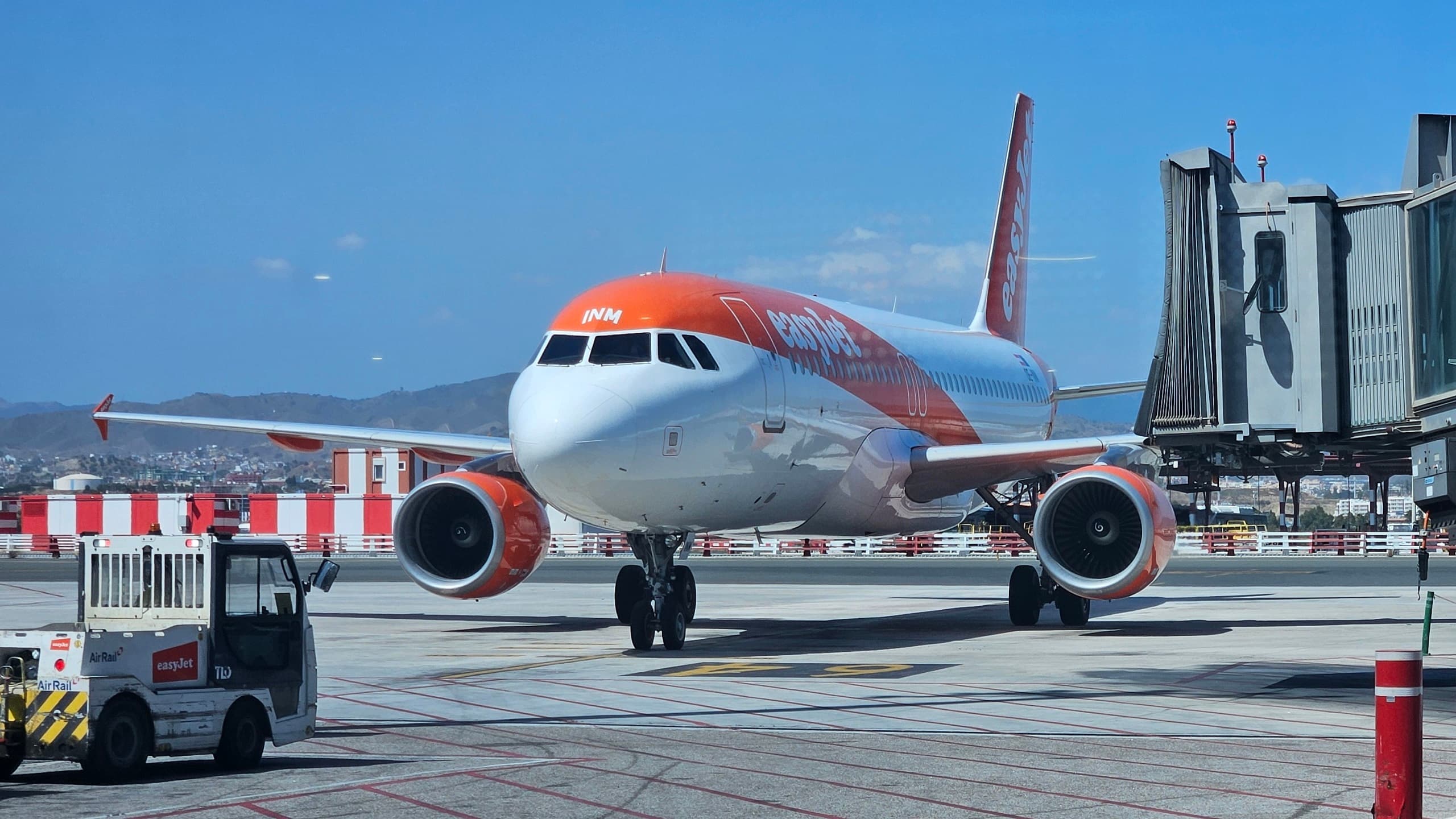
EasyJet France is bracing for a difficult weekend as cabin crew unions have called a strike on 15 and 16 August, leading to the cancellation of around 40 flights on Saturday and a similar number expected on Sunday. The industrial action, which comes at the peak of the summer travel season, is rooted in long-standing grievances over unstable rosters and last-minute schedule changes that have left many flight attendants and stewards exhausted and frustrated.
The unions involved—SNPNC-FO, UNPNC-CFDT, and UNAC-CFE-CGC—say that negotiations with management failed to produce concrete improvements. They point to chronic instability in planning, with crew members sometimes switched from two to four flights in a single day, or moved from morning rotations to evening duties without adequate notice. This unpredictability not only increases fatigue but also makes it difficult for crew to balance work and personal life. Unlike many strikes, this one is not about pay but about the very structure of work and the resources provided to ensure a sustainable schedule.
EasyJet, for its part, has called the action "opportunistic" and insists it has made proposals to address the concerns, with further talks scheduled for September. The airline argues that the strike is outside any formal negotiation process, a claim the unions reject. For a low-cost carrier that relies on quick turnarounds and efficient crew utilization, the absence of a significant number of cabin crew can quickly force cancellations, as flights cannot legally operate without the required cabin staff.
Passengers are advised to check their flight status through easyJet's official channels rather than relying solely on airport departure boards. For those affected, EU Regulation 261/2004 provides rights to reimbursement or rerouting, as well as assistance such as meals and accommodation. Compensation may also be due if the cancellation is announced less than 14 days before departure, unless the airline can prove extraordinary circumstances. Notably, internal strikes are not automatically considered extraordinary, so passengers may have valid claims depending on the specifics of their case.
This weekend's disruption highlights the fragility of airline operations when crew planning is stretched thin. For aviation students, it serves as a real-world example of how industrial relations and operational planning intersect, and how regulatory frameworks like EU261 protect passengers in times of disruption.