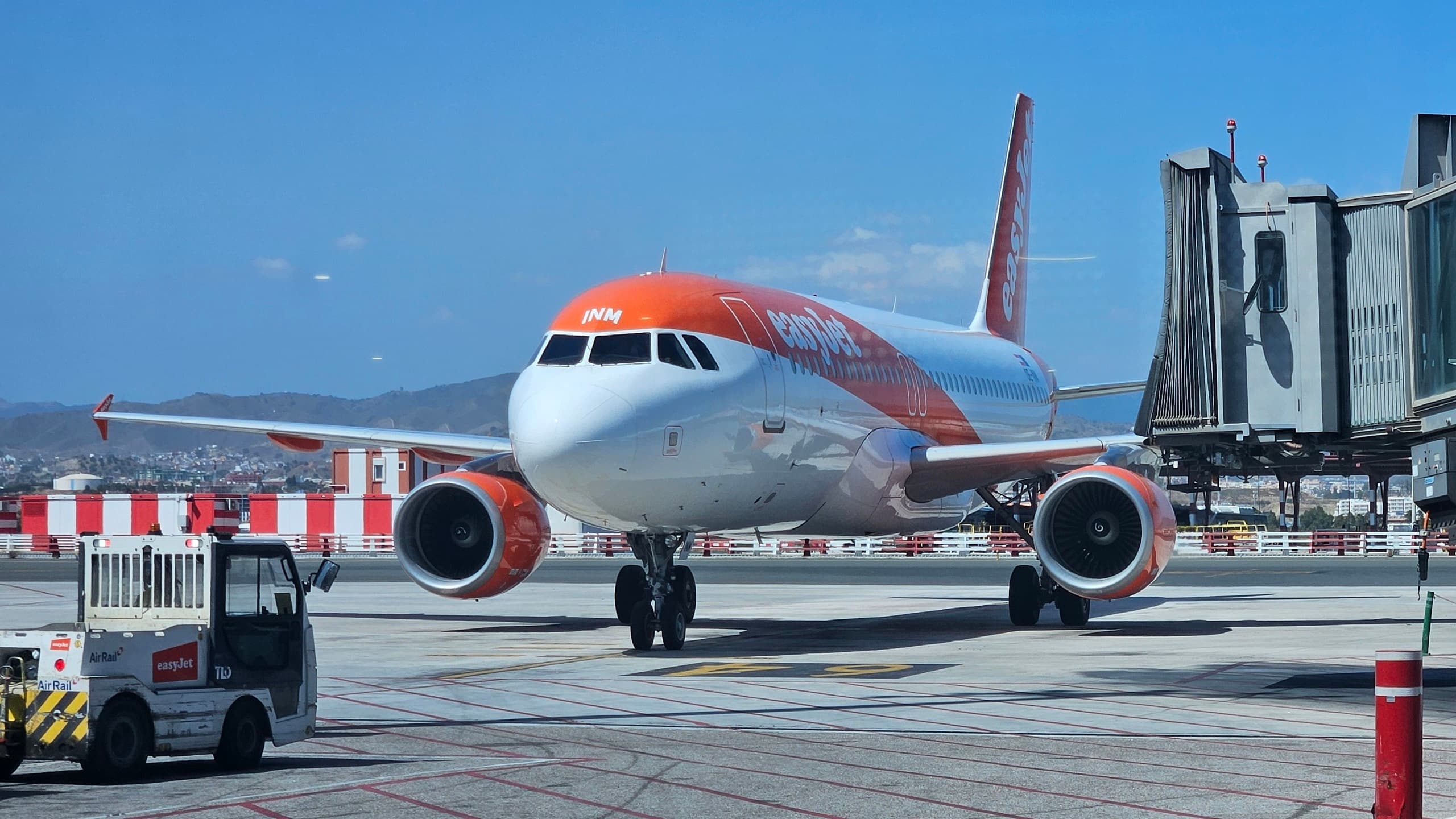
**EasyJet France cabin crew strike: a test of operational resilience**
On August 15 and 16, EasyJet France's cabin crew (PNC) are set to strike, following a breakdown in negotiations with management. The three unions—SNPNC-FO, UNPNC-CFDT, and UNAC-CFE-CGC—cite a persistent deterioration of working conditions, particularly unstable rosters, last-minute changes, and imposed multi-day 'trippings'. This action, covering all six French bases (Paris-CDG, Paris-Orly, Nice, Lyon, Bordeaux, and Nantes), comes at the peak of the summer travel season, posing significant operational challenges for the low-cost carrier.
**The core issues: scheduling and working conditions**
The unions argue that management has failed to provide concrete proposals to address their demands for stabilised schedules and improved working conditions. They highlight a 'continuous degradation' over the past year, with unpredictable duty rosters and rotations that are particularly punishing. The strike notice, filed on August 7, was temporarily suspended during the Gironde wildfires to avoid complicating travel for affected residents, but the unions now feel compelled to act. They remain open to negotiation, but insist that current management responses are insufficient.
**EasyJet's response and passenger impact**
EasyJet has called the strike 'opportunistic' and urged unions to reconsider, emphasising that new negotiations are scheduled for September. The airline promises to minimise disruptions, offering free rebooking or refunds to affected passengers. However, no pre-emptive cancellations have been announced, leaving travellers to monitor flight status via the airline's app or Flight Tracker. This strike follows a previous action on Easter Monday, also involving the six bases, but this time with three unions united, increasing the likelihood of operational disruption.
**Why this matters for aviation students**
For ATPL and ATC trainees, this event is a real-world case study in industrial relations and operational management. Understanding how strikes affect airline operations, passenger rights, and crew scheduling is crucial for future pilots and controllers who will work within such systems. It also highlights the delicate balance between operational efficiency and employee welfare—a theme that will be central to their professional lives. Observing how EasyJet manages this crisis provides insights into contingency planning and communication strategies that are essential in aviation.
**Broader industry context**
This strike is part of a broader trend of labour unrest in the aviation sector, as post-pandemic recovery strains resources and staff. For students, it underscores the importance of labour law and collective bargaining in aviation, topics often covered in ATPL theoretical knowledge. Moreover, it demonstrates the ripple effects of such actions on flight schedules, air traffic flow, and passenger experience—elements that ATCs must manage in real time. As future professionals, understanding these dynamics will help them anticipate and mitigate the impacts of similar events in their careers.