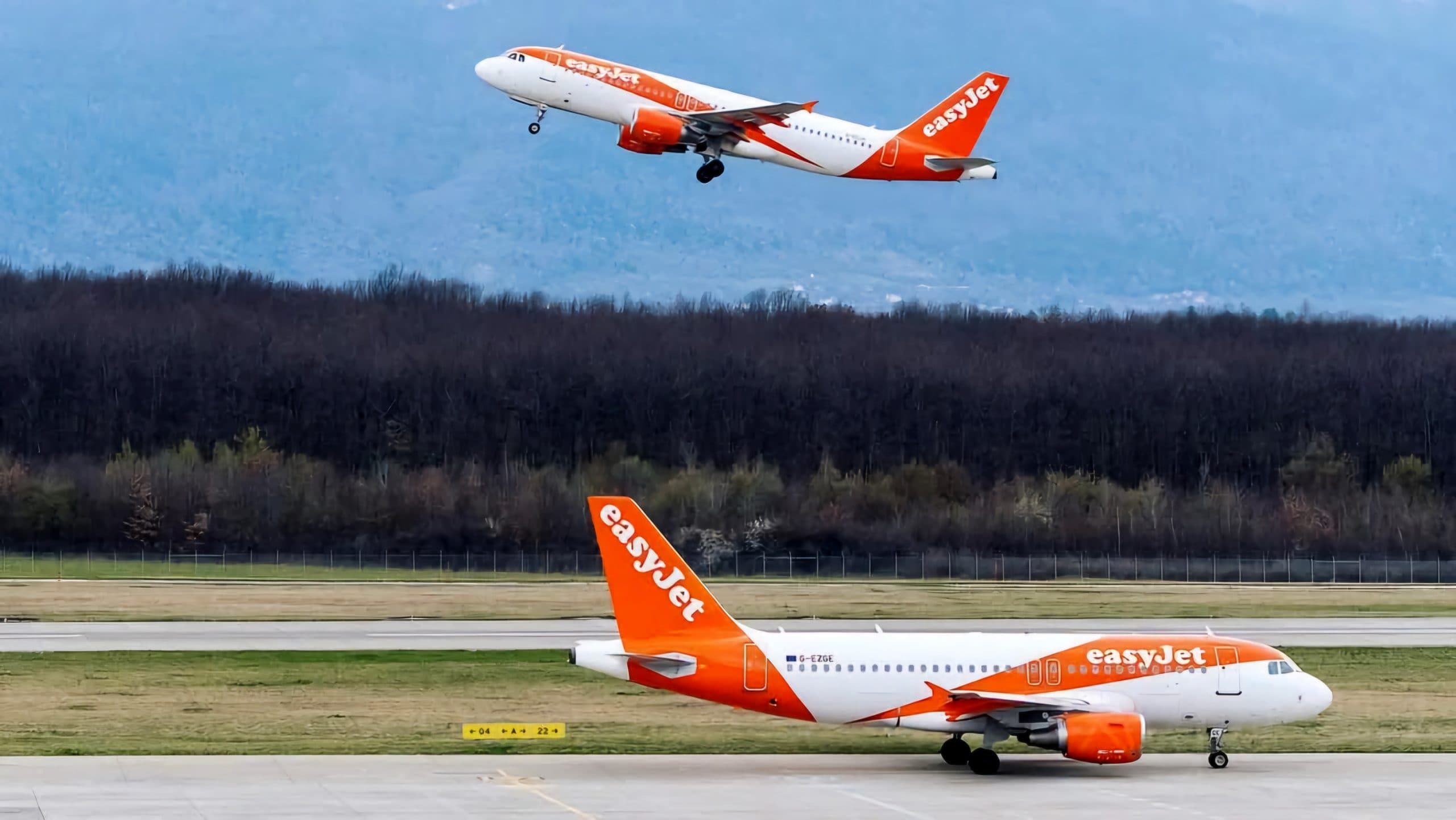
**A Month-Long Strike Notice in the Heart of Summer**
EasyJet France is bracing for potential disruption as three cabin crew unions — SNPNC-FO, UNAC-CFE-CGC, and UNPNC-CFDT — jointly filed a strike notice covering all cabin crew (PNC) across all bases, from August 7 at 00:01 to September 2 at 23:59. This open-ended notice comes at the peak of the summer travel season, when thousands of passengers are heading to or from holidays. The unions had previously suspended an alert on July 24 out of solidarity with victims of the major wildfires in Gironde, but now deem the situation stable enough to resume their action.
**Why Cabin Crew Are Angry**
For nearly a year, PNC representatives have been denouncing a steady deterioration of working conditions at the British low-cost carrier's French operations. Their grievances include chronic schedule instability, last-minute changes, forced 'trippings' (temporary assignments) to other European bases, punishing rotations, and a lack of protective measures regarding fatigue and work-life balance. Despite repeated warnings and negotiation meetings, the unions say management has offered no 'concrete and engaging' response. This strike notice is their way of forcing the issue during a period when the airline can least afford disruptions.
**What This Means for Passengers and Operations**
The notice is deliberately open-ended, meaning the unions have not yet specified exact strike days. Under French law, essential flight personnel must notify their intention to strike 48 hours in advance, so specific mobilization days will be announced shortly before they occur. The unions are calling for mass participation, which could lead to numerous cancellations and delays at the height of the summer rush. For aviation students, this is a textbook example of how industrial action can ripple through an airline's network, affecting crew scheduling, aircraft rotations, and passenger rebooking — all of which are critical for ATPL and ATC professionals to understand.
**Negotiation or Disruption?**
The unions state they remain open to negotiation and will lift the notice if management presents clear, concrete, and engaging solutions. Otherwise, they argue that easyJet will bear full responsibility for the resulting disruptions, with passengers as the 'first victims.' EasyJet, which previously called the idea of a summer strike 'counterproductive,' has not yet detailed its contingency plan. This standoff highlights the delicate balance between labor rights and operational reliability — a theme that will resonate with anyone entering the aviation industry.
**Why This Matters for Your Training**
For ATPL students, this situation underscores the importance of crew resource management and the human factors that affect flight safety. For ATC trainees, it illustrates how ground delays and cancellations can cascade through the air traffic system. Understanding the dynamics of industrial disputes in aviation is not just academic — it prepares you for the realities of a career where schedules, fatigue, and labor relations are constant variables.